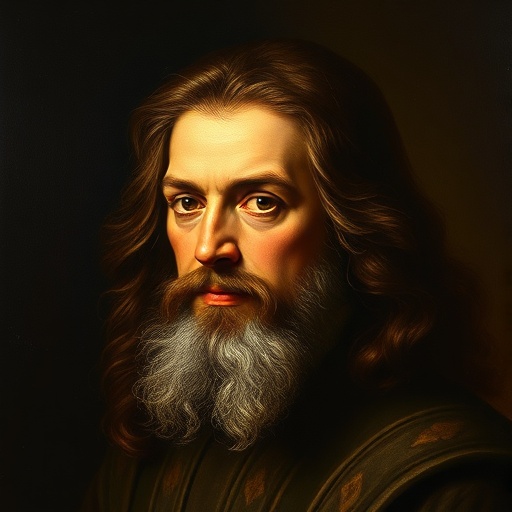
Leonardo da Vinci — "I have been impressed with the urgency of doing. Knowing is not enough; we must …"
I have been impressed with the urgency of doing. Knowing is not enough; we must apply. Being willing is not enough; we must do.
I have been impressed with the urgency of doing. Knowing is not enough; we must apply. Being willing is not enough; we must do.
Click any product to generate a realistic preview. Up to 3 at a time.
* Initial load can take up to 90 seconds — revising the preview in another color is nearly instant.
"An average human looks without seeing, listens without hearing, touches without feeling, eats without tasting, moves without physical awareness, inhales without awareness of odour or fragrance, and ta…"
"Just as a well-filled day brings blessed sleep, so a well-employed life brings a blessed death."
"There are three classes of people: those who see, those who see when they are shown, those who do not see."
"The greatest gift is the passion for reading."
"Weight, force, and percussion, with their respective causes, are all that is known of the movements of bodies."
Found in 1 providers: grok
1 source checked
Knowledge alone and good intentions alone are insufficient—real impact requires action. The quote cuts through the passive comfort of learning and planning to demand execution. In modern terms: you can study endlessly, want to change things deeply, yet accomplish nothing without actually doing the work. The "urgency" framing makes inaction a moral failure, not just inefficiency—time spent not doing is time wasted.
Leonardo filled over 7,000 notebook pages with scientific observations, anatomical sketches, and engineering blueprints—knowledge accumulated at staggering scale. Yet he also acted: dissecting human corpses to understand musculature, testing experimental paint compounds on The Last Supper's wall, building canal irrigation systems for Milan. His notebooks show a man tormented by how much he could imagine versus how little time existed to realize it. Application, not mere curiosity, drove his greatest works.
Renaissance Italy stood at the hinge between medieval scholasticism—where mastering sacred texts was the pinnacle of achievement—and a new humanist culture demanding tangible results. The printing press (1440s) democratized knowledge, making it cheap and widely available for the first time. This abundance made mere knowing less special; the differentiator became application. Florence and Milan's merchant patrons paid for working art and functional engineering, not theories. Leonardo lived precisely when doing became civilization's most valued currency.
AI-generated insights based on extensive research and information for context. Factual errors? Email [email protected].
Your cart is empty