Benjamin Franklin — "In reality, there is, perhaps, no one of our natural passions so hard to subdue …"
In reality, there is, perhaps, no one of our natural passions so hard to subdue as pride.
In reality, there is, perhaps, no one of our natural passions so hard to subdue as pride.
Click any product to generate a realistic preview. Up to 3 at a time.
* Initial load can take up to 90 seconds — revising the preview in another color is nearly instant.
"Without freedom of thought there can be no such thing as wisdom; and no such thing as public liberty, without freedom of speech."
"Experience keeps a dear school, but fools will learn in no other."
"I should have no objection to a repetition of the same life from its beginning, only asking the advantages authors have in a second edition to correct some faults of the first."
"There are no gains without pains."
"Contentment makes poor men rich, discontent makes rich men poor."
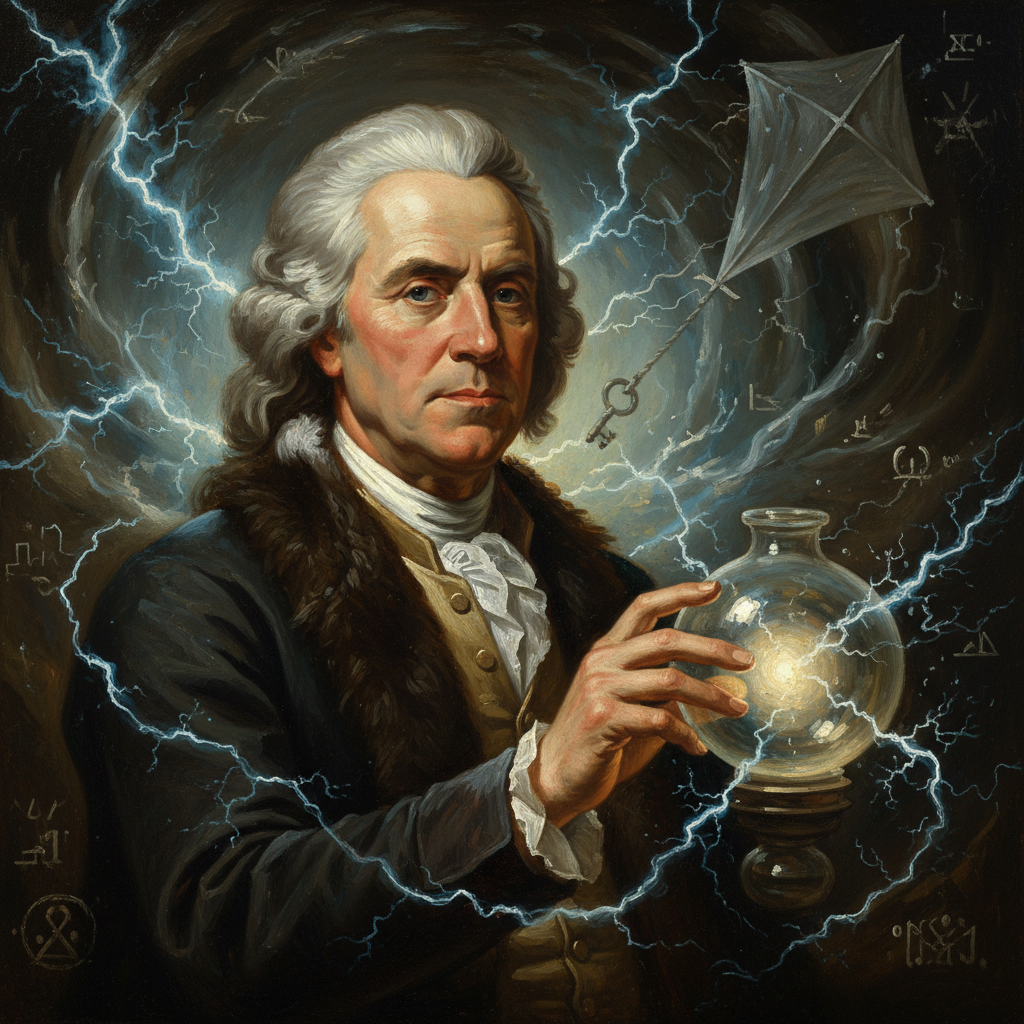
Polymath Founding Father, diplomat, and Poor Richard's Almanack author who helped draft the Declaration of Independence and the Constitution. Closely associated with John Adams (fellow Founder, Massachusetts statesman) and Thomas Jefferson (fellow Declaration drafter). For an intellectual contrast, see Thomas Hutchinson, last royal governor of colonial Massachusetts — Franklin leaked Hutchinson's loyalist correspondence to Boston in 1772 to inflame revolutionary sentiment — Hutchinson represented the colonial-aristocrat crown-loyalty that Franklin's revolution was organized to dismantle.
From 'The Autobiography of Benjamin Franklin', reflecting on his virtues.
Date: c. 1771-1790
PhilosophicalFound in 1 providers: gemini
1 source checked
Pride is one of the hardest human impulses to control. Even when we try to appear humble, the desire for recognition and superiority lurks beneath the surface. We can suppress arrogance in words and behavior, but the internal feeling persists stubbornly, resisting our best efforts at self-improvement and genuine modesty.
Franklin famously catalogued thirteen virtues he tried to master, listing humility last because he found it hardest. He admitted in his Autobiography that he could perform humble behaviors but never truly felt humble inside. As a celebrated inventor, diplomat, and writer, Franklin constantly battled personal vanity while publicly championing republican virtue and plain living.
In colonial and revolutionary America, Puritan moral frameworks still emphasized conquering sinful pride as essential to Christian virtue. Enlightenment thinkers simultaneously promoted individual achievement and merit, creating tension between earned distinction and humility. Franklin navigated this contradiction personally, representing self-made success while republican ideology demanded citizens subordinate personal glory to collective civic virtue.
AI-generated insights based on extensive research and information for context. Factual errors? Email [email protected].
Your cart is empty