What it means
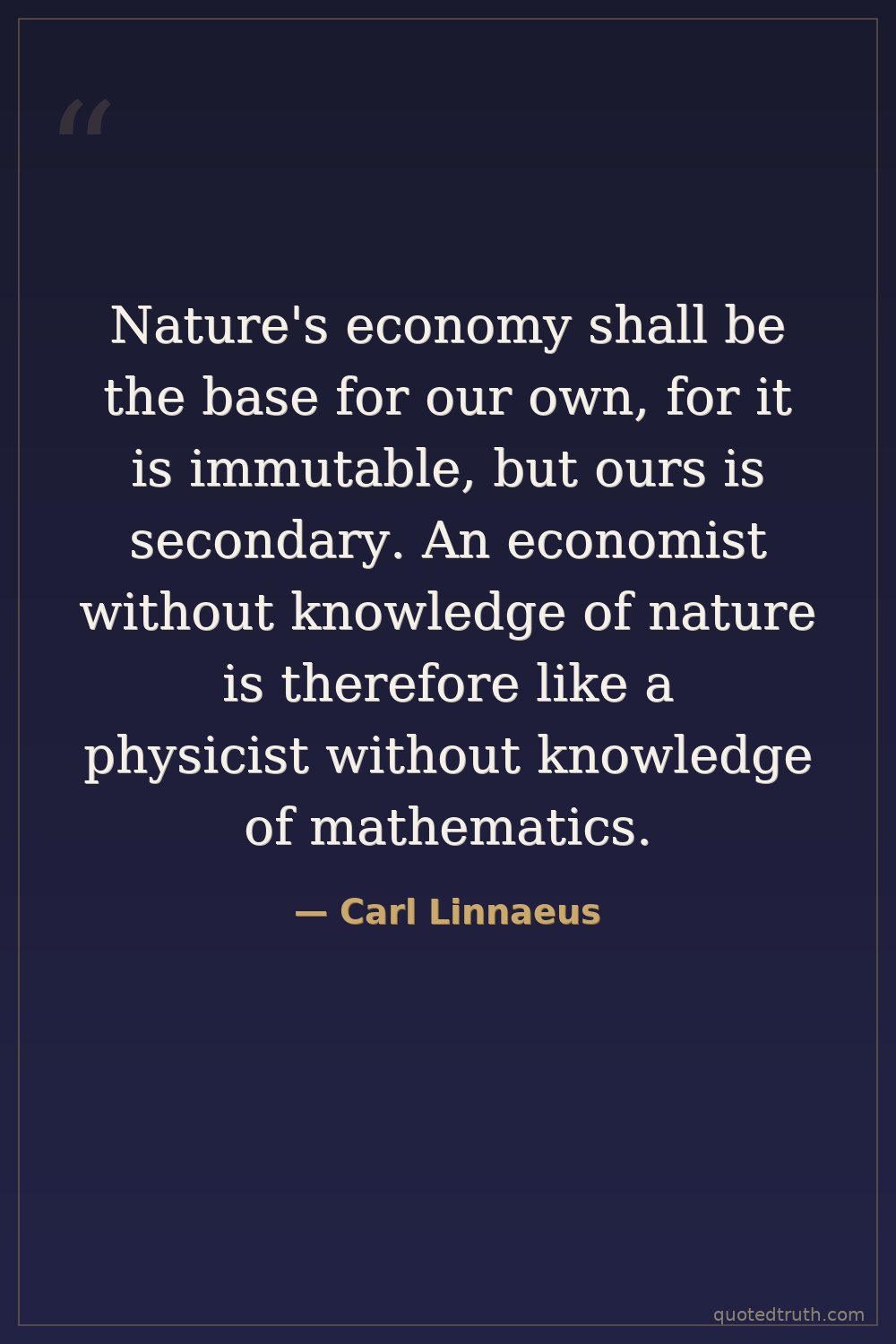
Natural systems—the cycles of resources, energy, and life that sustain ecosystems—are fixed laws underlying all human economic activity. Human economies are secondary constructs built atop them, not independent of them. Just as physics requires mathematics as its unavoidable language, economics requires understanding natural systems as its foundation. Ignore that foundation and economic reasoning becomes unmoored from reality, unable to account for where wealth actually originates or what sustains it.
Relevance to Carl Linnaeus
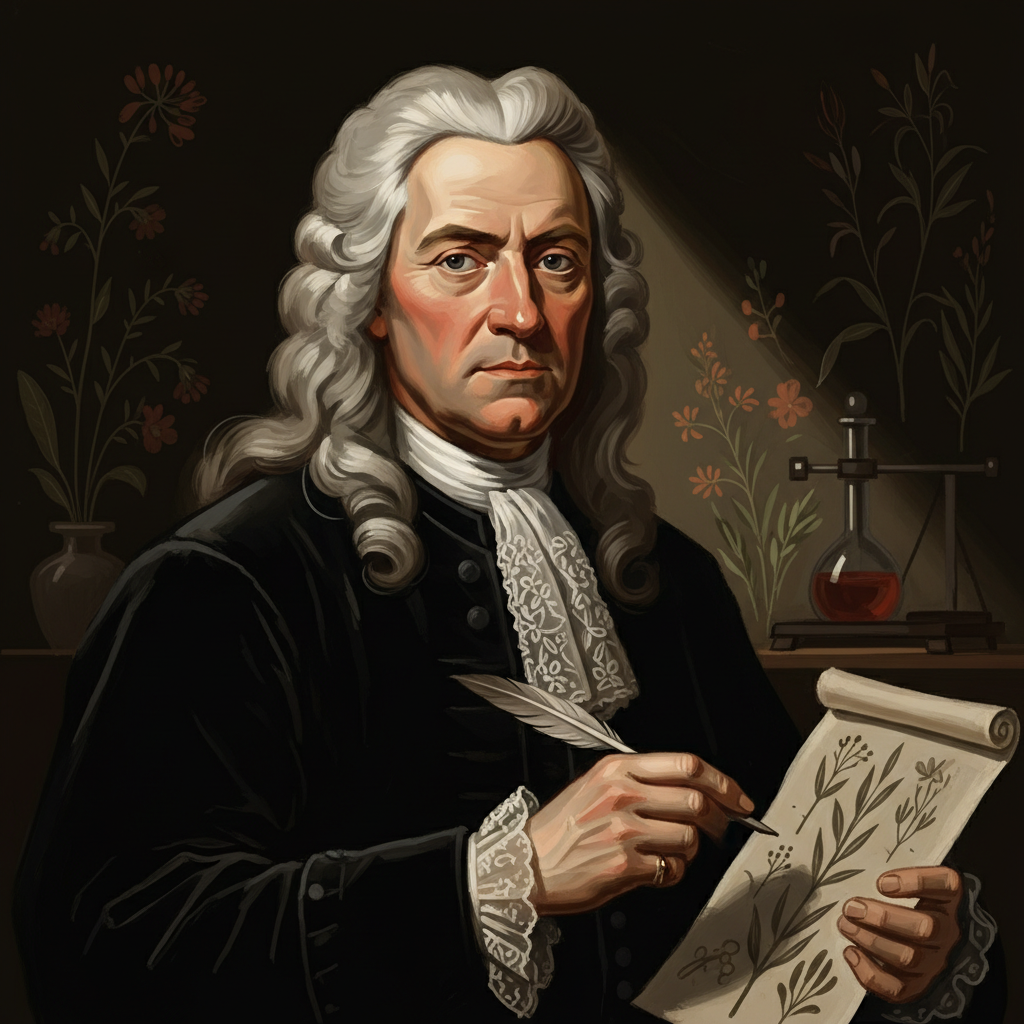
Linnaeus coined the term 'Oeconomia Naturae' in 1749, essentially inventing ecology decades before the word existed. His taxonomic life's work catalogued how every species occupies an interdependent role in nature's balanced exchange of matter and energy. He viewed nature as a perfectly ordered divine system—his classification project was fundamentally about mapping that order. This quote is inseparable from his core conviction that all human knowledge must be grounded in natural law.
The era
Eighteenth-century Europe was simultaneously the Age of Enlightenment and the dawn of industrial-scale resource extraction. Colonial economies stripped forests and minerals across continents, while mercantilism measured wealth in gold rather than ecological capacity. French Physiocrats like Quesnay were arguing all wealth derives from land, pushing back against purely monetary thinking. Linnaeus's warning came precisely when European economies were divorcing prosperity from natural limits—making his insistence on nature's primacy both urgent and contrarian.
AI-generated insights based on extensive research and information for context. Factual errors? Email [email protected].