Carl Linnaeus — "It is the genus that gives the characters, and not the characters that make the …"
It is the genus that gives the characters, and not the characters that make the genus.
It is the genus that gives the characters, and not the characters that make the genus.
Click any product to generate a realistic preview. Up to 3 at a time.
* Initial load can take up to 90 seconds — revising the preview in another color is nearly instant.
"I have established a new era in natural history."
"The stony rocks are not primeval, but daughters of Time."
"It is not wealth or ancestry, but rather the spirit of the age, which has raised me to the highest pinnacle of fame."
"The only true knowledge is that which is acquired through the senses."
"The world is ruled by three things: money, women, and botany."
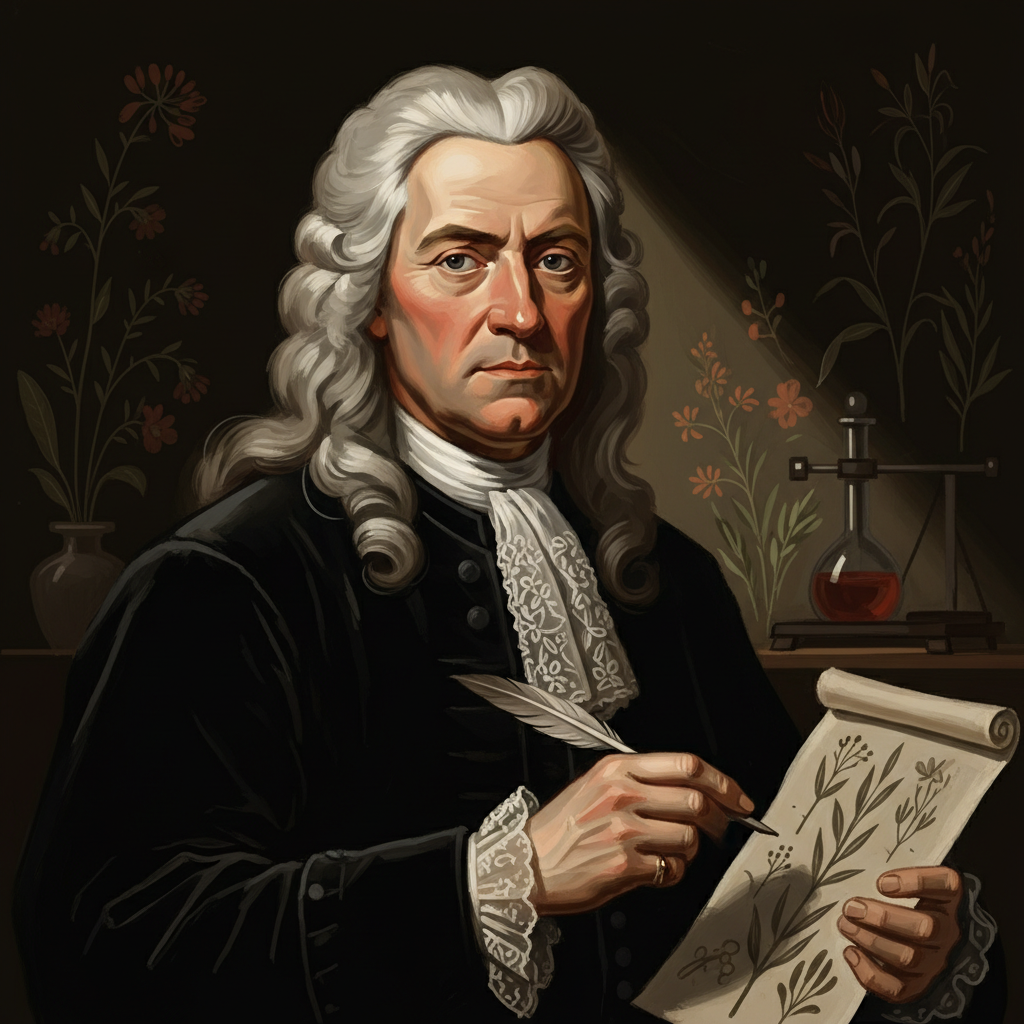
Swedish botanist and the father of modern taxonomy whose Systema Naturae (1735) introduced binomial nomenclature for naming all species. Closely associated with Joseph Banks (British naturalist who carried Linnaean classification on Cook's voyages). For an intellectual contrast, see Comte de Buffon, French naturalist and Histoire Naturelle author (1749-1788) — Buffon explicitly attacked Linnaean fixed-categories taxonomy as artificial and rejected the binomial system; his gradualist, environment-shaped natural history was the explicit alternative. Anticipates the fixed-species-vs-evolution debate Darwin would later resolve.
A foundational principle of his taxonomy, emphasizing the inherent nature of a genus over its descriptive traits.
Date: 18th Century
PhilosophicalFound in 1 providers: gemini
1 source checked
Classification systems work top-down, not bottom-up. A genus — a grouping category — defines which traits count as meaningful, rather than traits automatically clustering into categories on their own. The classifier establishes what a genus means first; that framework then dictates which observable features matter. Shared characteristics alone cannot self-organize into natural groups. Someone must impose the conceptual structure first, and that structure determines what counts as a defining feature within it.
Linnaeus spent decades organizing thousands of plants and animals into genera, classes, and orders across Systema Naturae and Species Plantarum. As the architect of binomial nomenclature, he understood taxonomy required intellectual judgment before observation could become meaningful. He had to decide what a genus was before he could assign species to it. This reflects his essentialist conviction that natural categories are real, pre-existing structures a naturalist discovers rather than arbitrary groupings observers invent.
Europe's age of exploration flooded 18th-century naturalists with thousands of undescribed species from the Americas, Africa, and Asia. Fierce debate erupted over whether nature's categories were God-given realities or merely human conventions. The Enlightenment prized systematic reason applied to raw experience. Linnaeus's position aligned with theological essentialism — genera existed in God's design, and the naturalist's role was to uncover them. Rival systems, like Buffon's, rejected fixed categories, making this a live philosophical battleground.
AI-generated insights based on extensive research and information for context. Factual errors? Email [email protected].
Your cart is empty