What it means
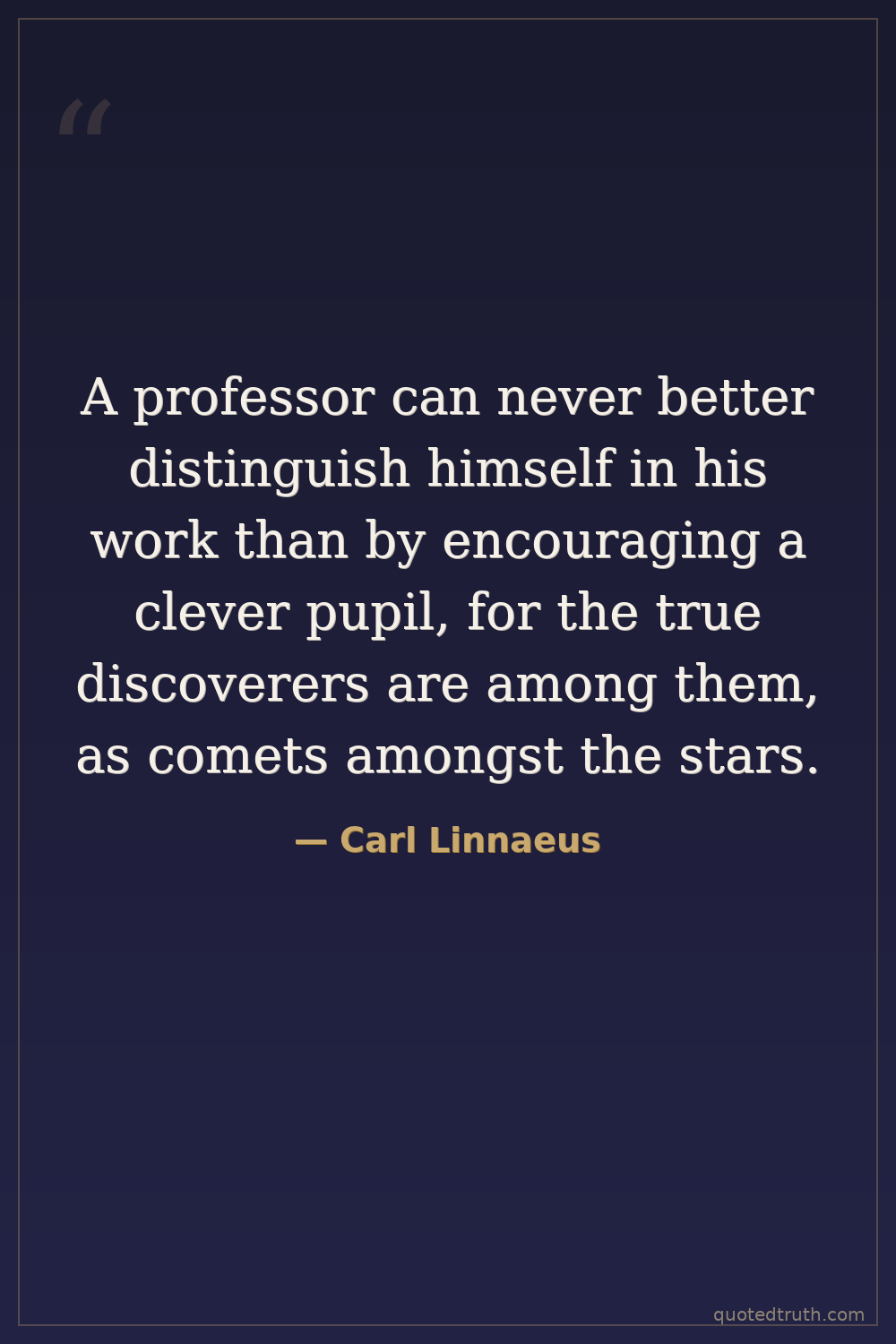
A teacher's greatest achievement is not their own discoveries but recognizing and nurturing exceptional students. Gifted pupils are rare and brilliant, like comets — unpredictable, luminous, capable of illuminating entirely new territories. The professor who spots and cultivates such talent contributes more to human knowledge than any solo work, because those students will make discoveries the teacher never imagined.
Relevance to Carl Linnaeus
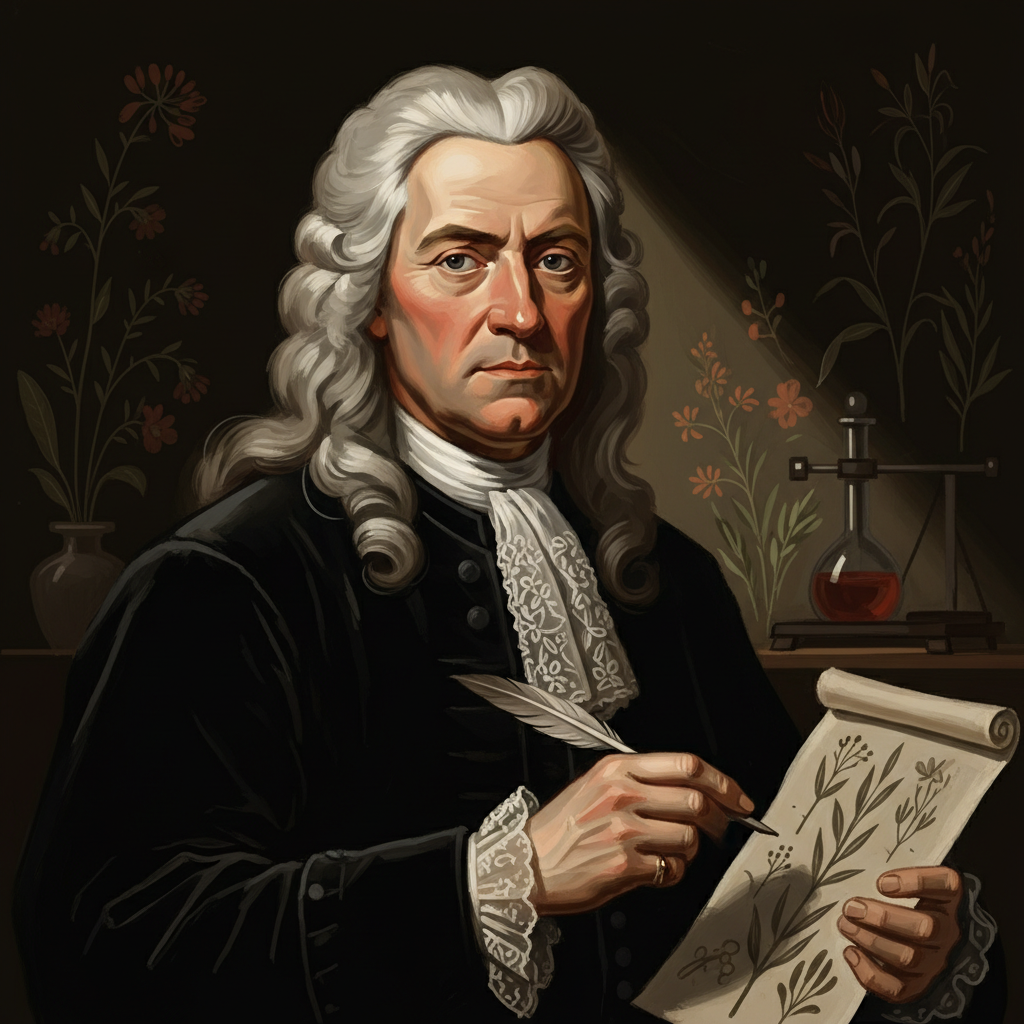
Linnaeus trained an extraordinary generation of naturalists — his 'apostles' like Daniel Solander and Carl Peter Thunberg sailed with Cook and explored continents, collecting specimens that extended his taxonomic system worldwide. He understood his binomial nomenclature needed disciples to apply and expand it. His legacy was deliberately built through pupils who carried his methods to every corner of the globe.
The era
The 18th-century Scientific Revolution was institutionalizing through universities, yet individual patronage and mentorship still drove discovery. European powers funded voyages of exploration, creating enormous demand for trained naturalists. Linnaeus taught at Uppsala during Sweden's Enlightenment peak, when natural history was prestigious and classifying the world's organisms felt like a divine, achievable mission requiring many trained hands across multiple generations.
AI-generated insights based on extensive research and information for context. Factual errors? Email [email protected].