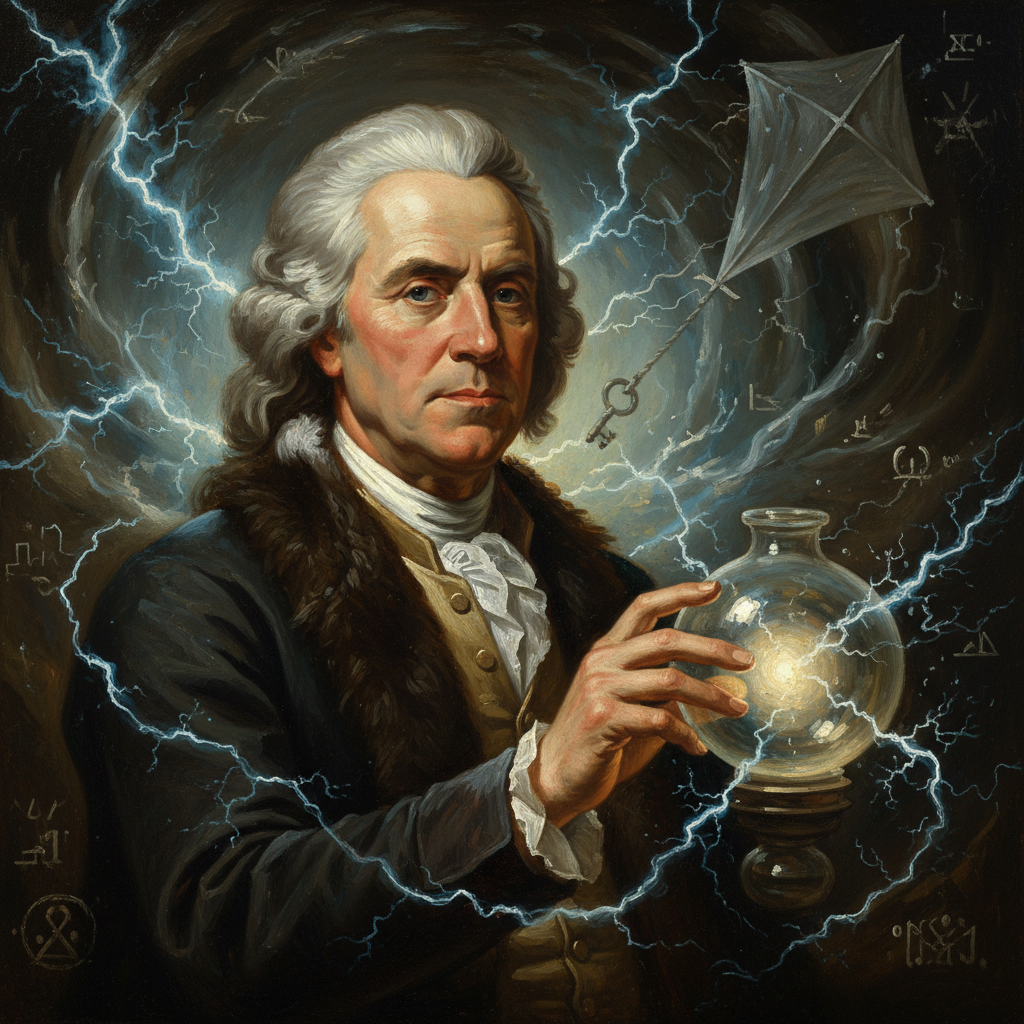
Benjamin Franklin — "Contentment makes poor men rich, discontent makes rich men poor."
Contentment makes poor men rich, discontent makes rich men poor.
Contentment makes poor men rich, discontent makes rich men poor.
Click any product to generate a realistic preview. Up to 3 at a time.
* Initial load can take up to 90 seconds — revising the preview in another color is nearly instant.
"Creditors have better memories than debtors."
"The worst wheel of the cart makes the most noise."
"An investment in knowledge always pays the best interest."
"The sting of a reproach, is the truth of it."
"To be content, look backward on those who possess less than yourself, not forward on those who possess more. If this does not make you content, you don't deserve to be happy."
Polymath Founding Father, diplomat, and Poor Richard's Almanack author who helped draft the Declaration of Independence and the Constitution. Closely associated with John Adams (fellow Founder, Massachusetts statesman) and Thomas Jefferson (fellow Declaration drafter). For an intellectual contrast, see Thomas Hutchinson, last royal governor of colonial Massachusetts — Franklin leaked Hutchinson's loyalist correspondence to Boston in 1772 to inflame revolutionary sentiment — Hutchinson represented the colonial-aristocrat crown-loyalty that Franklin's revolution was organized to dismantle.
Found in 1 providers: grok
1 source checked
Wealth is a state of mind, not a bank balance. Someone with modest means who feels at peace lives more richly than a wealthy person enslaved to wanting more. Contentment converts scarcity into sufficiency; dissatisfaction converts fortune into felt poverty. Your quality of life depends less on what you own than on whether what you own is enough. The richest person is whoever stops needing more.
Franklin rose from Boston printer's apprentice to colonial America's wealthiest self-made man, yet consistently warned against luxury. His 13 Virtues explicitly included frugality and temperance. Poor Richard's Almanack — where this maxim appeared — was his platform for spreading practical working-class wisdom about thrift, self-discipline, and moral economy. Franklin embodied earned prosperity without extravagance, funding science and statecraft while living by the same moderation he preached.
Colonial America had stark class divisions between wealthy merchant elites and laboring poor, with Protestant ethics linking moral worth to thrift and industry. The 18th century saw consumer capitalism emerging — imported luxury goods tempting colonists into debt. Discontent with one's station drove dangerous speculation and debt servitude. Franklin's era prized stoic self-reliance; his maxim pushed back directly against the new culture of acquisition spreading through Atlantic commerce.
AI-generated insights based on extensive research and information for context. Factual errors? Email [email protected].
Your cart is empty