John Wesley — "Earn all you can, save all you can, give all you can."
Earn all you can, save all you can, give all you can.
Earn all you can, save all you can, give all you can.
Click any product to generate a realistic preview. Up to 3 at a time.
* Initial load can take up to 90 seconds — revising the preview in another color is nearly instant.
"I continue to dream and pray about a revival of holiness in our day that moves forth in power and reaches to the ends of the earth."
"I have been writing a sermon on the use of money. Oh, what a flat, unprofitable subject it is!"
"I am a man of one book."
"It is not possible for any one to be a true Christian believer, and not be a lover of mankind."
"I am never solitary, for I am never alone."
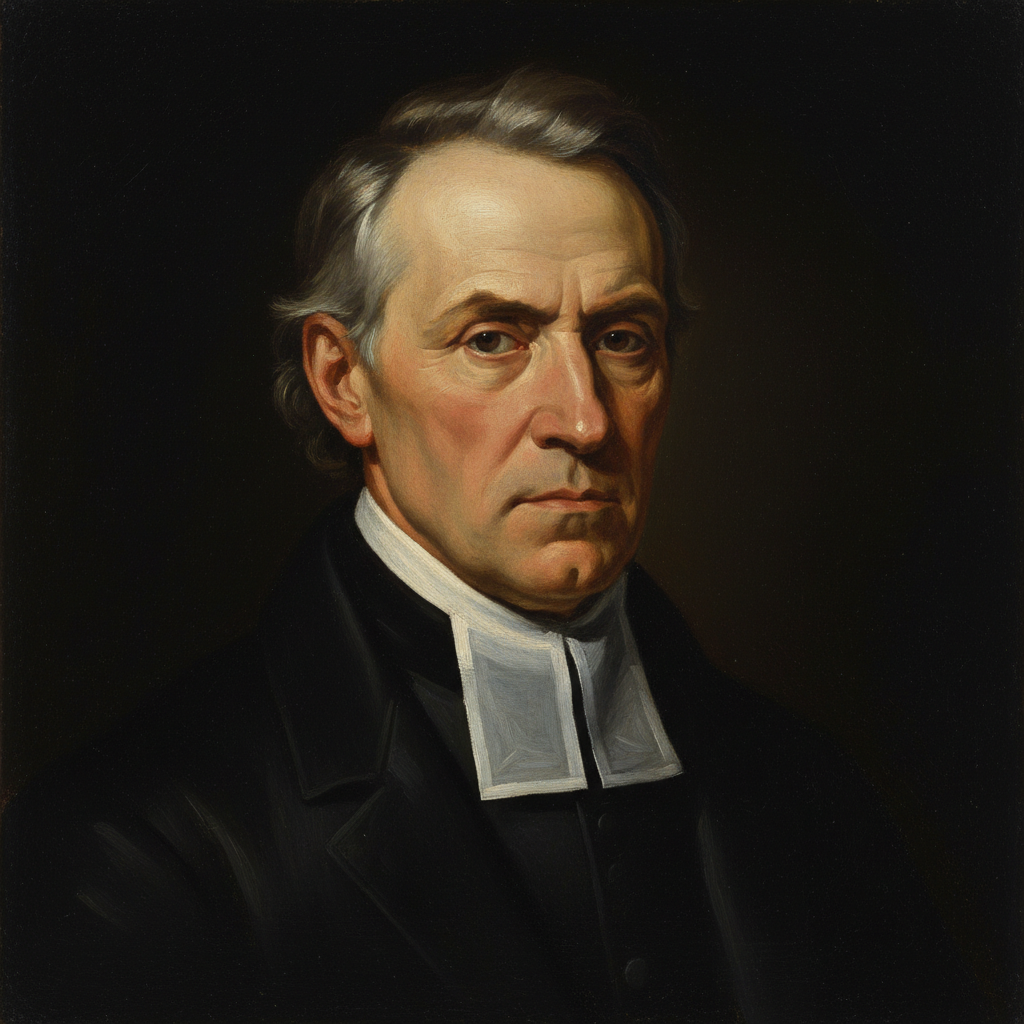
English Anglican cleric and founder of Methodism, whose open-air preaching and class-meeting structure created the largest 18th-century evangelical revival. Closely associated with Charles Wesley (his hymn-writing brother) and George Whitefield (early co-revivalist, later doctrinal opponent). For an intellectual contrast, see George Whitefield, Calvinist evangelical revivalist — Whitefield's predestinarian Calvinism vs Wesley's free-grace Arminian theology split the early Methodist movement permanently in the 1739-41 break. The founding evangelical Calvinist-Arminian schism — the two parallel evangelical traditions American Christianity descends from.
Found in 2 providers: deepseek,grok
2 sources checked
A three-part personal finance ethic: work diligently to maximize your income, live frugally to avoid waste and preserve what you earn, then give the surplus away generously. Money itself is morally neutral — its value lies entirely in what you do with it. Earning and saving without giving produces greed; all three steps together make wealth serve a moral rather than a selfish purpose.
Wesley practiced this literally. Despite enormous income from hundreds of published books and sermons, he kept personal expenses fixed at roughly £28 per year throughout his adult life and gave away tens of thousands of pounds. He reportedly died with under £100 to his name. His Methodist movement targeted coal miners and factory workers, making disciplined financial stewardship a core spiritual teaching, not a peripheral one.
Wesley preached this in 18th-century Britain as early industrialization created a new working class with fresh earning potential alongside extreme poverty. The Church of England largely served the landed gentry, ignoring the urban poor. Capitalism was expanding without a moral framework, producing conspicuous consumption among the rich and despair below. Wesley's three-part formula gave ordinary workers a dignified, spiritually grounded relationship with money at a pivotal moment.
AI-generated insights based on extensive research and information for context. Factual errors? Email [email protected].
Your cart is empty