Martin Luther — "Everything that is done in this world is done by hope."
Everything that is done in this world is done by hope.
Everything that is done in this world is done by hope.
Click any product to generate a realistic preview. Up to 3 at a time.
* Initial load can take up to 90 seconds — revising the preview in another color is nearly instant.
"I am not afraid of a pope or a cardinal, but of a little bird that sings in the tree."
"Let goods and kindred go, this mortal life also; The body they may kill: God's truth abideth still, His kingdom is forever."
"Sixthly, they ought to be deprived of the opportunity to practice usury, and all their cash and treasure of silver and gold should be taken from them and put aside for safekeeping."
"I am like a ripe nut; I am ready to fall."
"Our Lord has written the promise of the resurrection, not in books alone, but in every leaf in springtime."
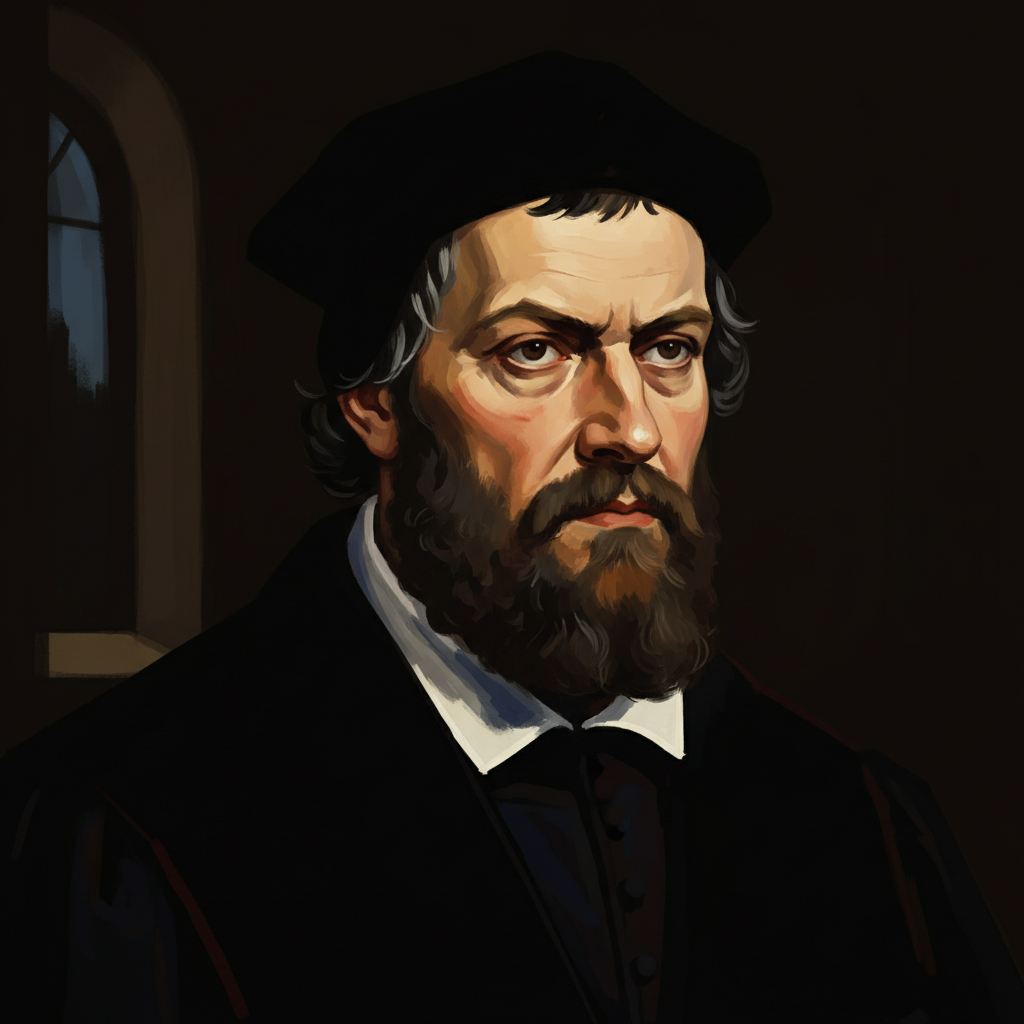
German theologian whose 95 Theses (1517) launched the Protestant Reformation and broke the Catholic Church's monopoly on Western Christianity. Closely associated with Philipp Melanchthon (Lutheran systematizer) and John Calvin (later Reformer who built on Luther's break). For an intellectual contrast, see Pope Leo X, Renaissance pope (1513-1521) — Leo X's indulgence sales triggered Luther's break and Leo excommunicated him in 1521 — Luther's entire Reformation is structured as a direct answer to the indulgence-funded Vatican Leo represented.
Found in 1 providers: gemini
1 source checked
Hope is the invisible engine behind every human action. Nobody plants a seed, starts a business, raises a child, or begins a long project unless they believe some better outcome is possible. Even small daily efforts assume tomorrow will reward them. Strip hope away and people stop trying, because effort without expected payoff feels pointless. In short, expectation of good fuels the work that builds everything we see.
Luther staked his life on hope when he defied the Pope and Holy Roman Emperor at Worms in 1521, knowing excommunication or execution could follow. A former Augustinian monk turned reformer, he translated the Bible into German and preached justification by faith, a doctrine where hope in Christ, not indulgences or works, secures salvation. He lived the line: only someone convinced the future could be reshaped would challenge a 1,500-year institution.
Luther's early modern Europe was raw with upheaval. The printing press spread ideas faster than authorities could suppress them, peasants revolted against feudal lords, plague still killed entire towns, and Ottoman armies pressed toward Vienna. Ordinary people bought indulgences hoping to shorten purgatory, while reformers hoped to purify a corrupted church. In this climate of fear, disease, and dawning possibility, declaring hope as the driver of all action named the fuel his whole Reformation ran on.
AI-generated insights based on extensive research and information for context. Factual errors? Email [email protected].
Your cart is empty