What it means
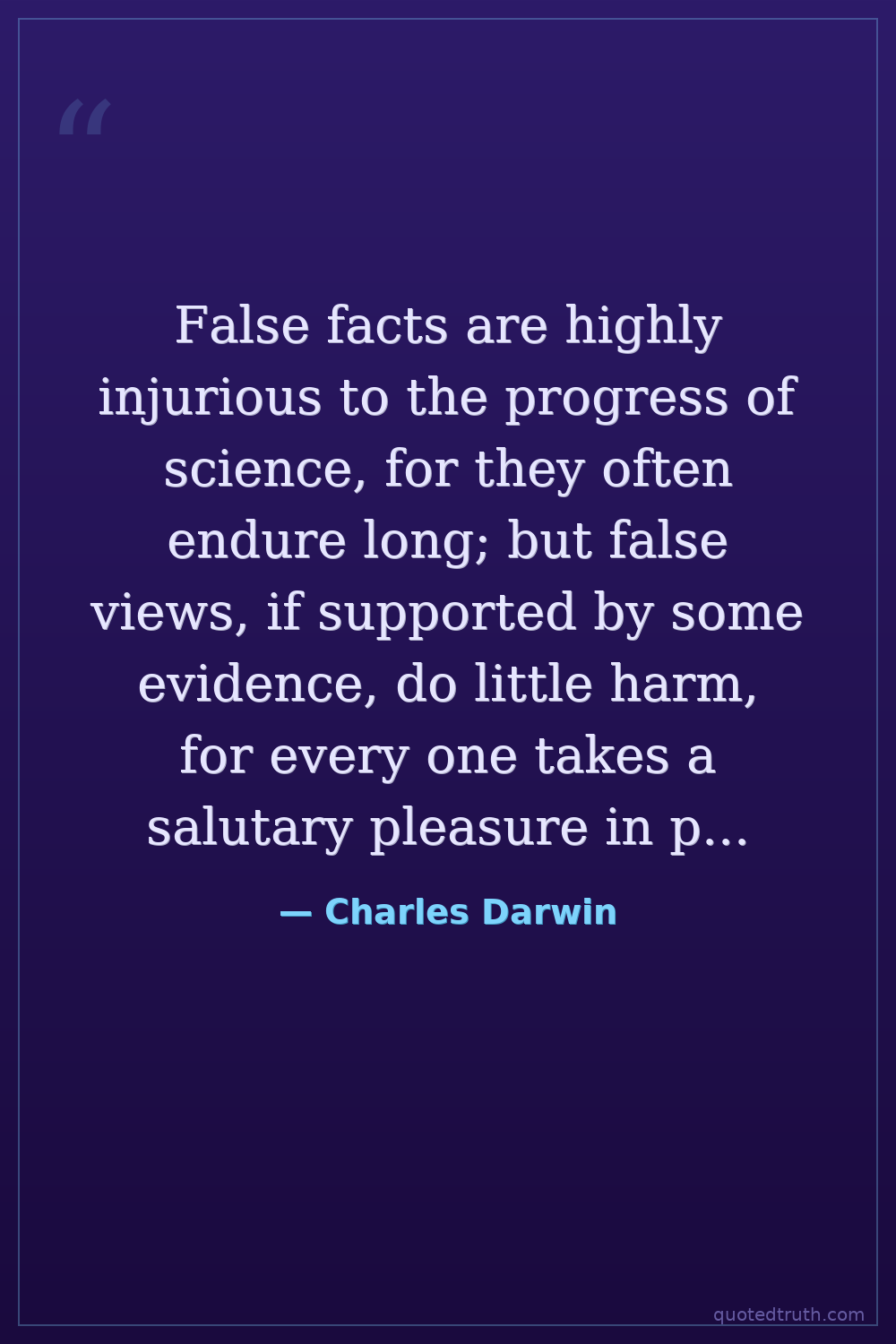
Incorrect data embedded in the scientific record is far more dangerous than flawed theories. Bad theories get challenged and disproven relatively quickly because people enjoy the intellectual sport of refuting them. But fabricated or mistaken facts quietly persist in citations and textbooks, corrupting future research built upon them. The damage from false facts compounds silently, while false ideas invite scrutiny that ultimately corrects the record.
Relevance to Charles Darwin
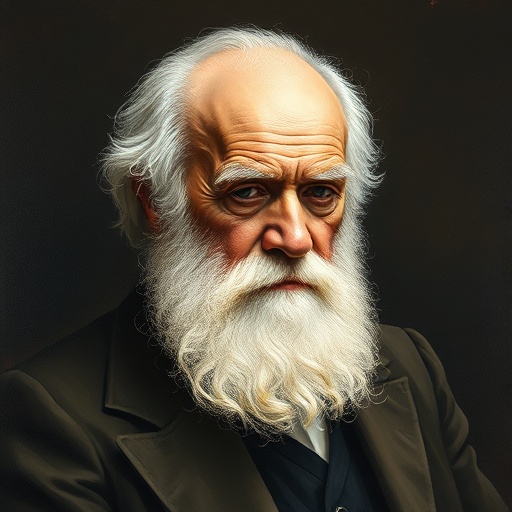
Darwin spent decades meticulously collecting specimens and evidence before publishing On the Origin of Species in 1859, acutely aware that a single bad data point could unravel his argument. He faced fierce critics eager to disprove evolution, which he actually welcomed as healthy scientific debate. His painstaking methodology across geology, barnacles, and natural selection reflected a lifelong obsession with empirical rigor over speculation.
The era
Victorian science was rapidly professionalizing in Darwin's era, but fact-checking infrastructure barely existed. Scientific journals had minimal peer review, and erroneous observations by respected naturalists like Lamarck circulated for generations. Darwin witnessed firsthand how phrenology and spontaneous generation persisted despite contradicting evidence, while genuine theoretical disputes like uniformitarianism versus catastrophism were resolved through open debate, validating his distinction between stubborn bad facts and correctable bad theories.
AI-generated insights based on extensive research and information for context. Factual errors? Email [email protected].