What it means
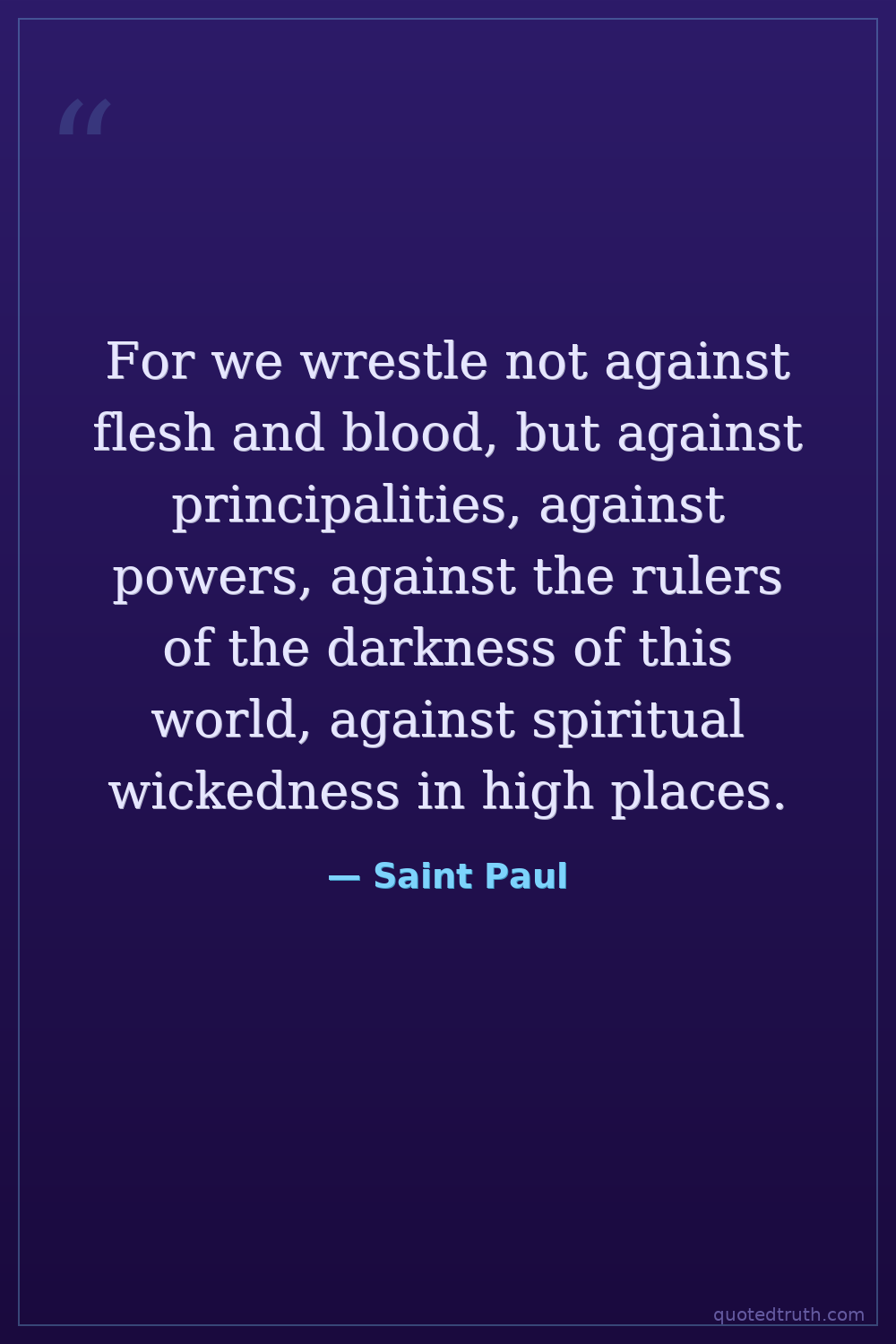
Real conflict isn't with people but with unseen spiritual forces. The opponents you can name—rivals, critics, enemies—aren't the actual problem. Behind everyday struggles sit deeper systemic and supernatural powers shaping events: corrupt institutions, ideologies, and evil itself. Treating human adversaries as the root target wastes energy. Recognize the bigger battle, gear up internally, and stop letting personal grievances distract you from what's actually driving the harm around you.
Relevance to Saint Paul
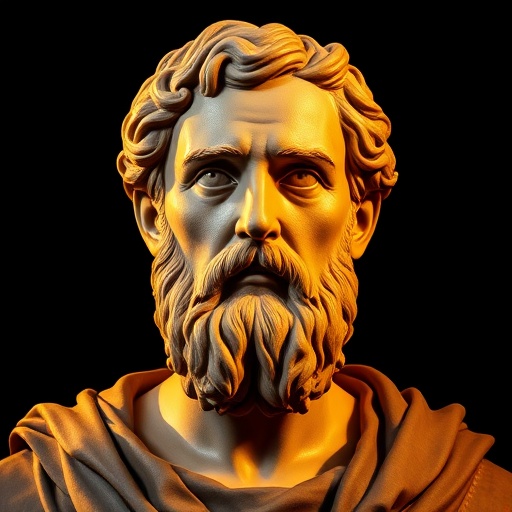
Paul wrote this from prison after years of beatings, shipwrecks, riots, and arrests across the Roman Empire. He had every reason to hate specific persecutors—Jewish authorities who stoned him, Roman officials who jailed him—yet he reframed his suffering as cosmic warfare, not personal vendetta. A former Pharisee turned missionary, he routinely interpreted earthly opposition through a spiritual lens, which let him keep evangelizing rivals rather than cursing them.
The era
First-century Mediterranean culture assumed an active spirit-world: Greco-Roman gods, daemons, astrological powers, and Jewish apocalyptic traditions all populated the cosmos with hostile beings. Romans worshipped emperors as divine; mystery cults promised protection from fate. Paul's audience in Ephesus was steeped in magic, exorcism, and Artemis worship. Framing Christian struggle as combat against 'principalities and powers' spoke directly to people who already feared invisible forces ruling their lives under imperial occupation.
AI-generated insights based on extensive research and information for context. Factual errors? Email [email protected].