What it means
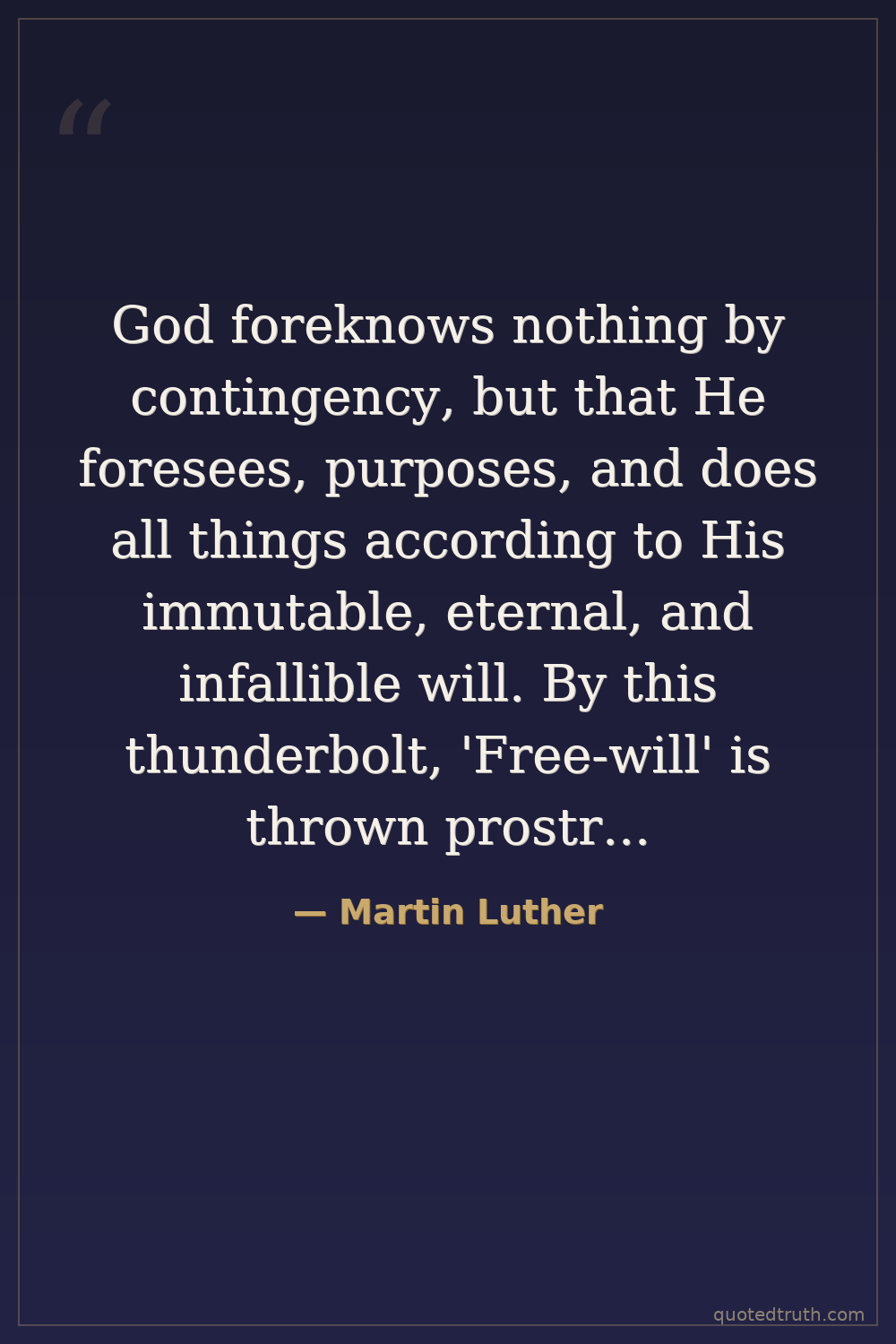
Everything that happens is already known and willed by God in advance, with no room for chance or uncertainty. Because God's will is unchanging, eternal, and never wrong, the idea that humans possess genuine free will collapses. Our choices are not truly independent; they unfold exactly as God has already determined. This single truth, Luther argues, completely destroys any claim that people freely shape their own destinies apart from divine control.
Relevance to Martin Luther
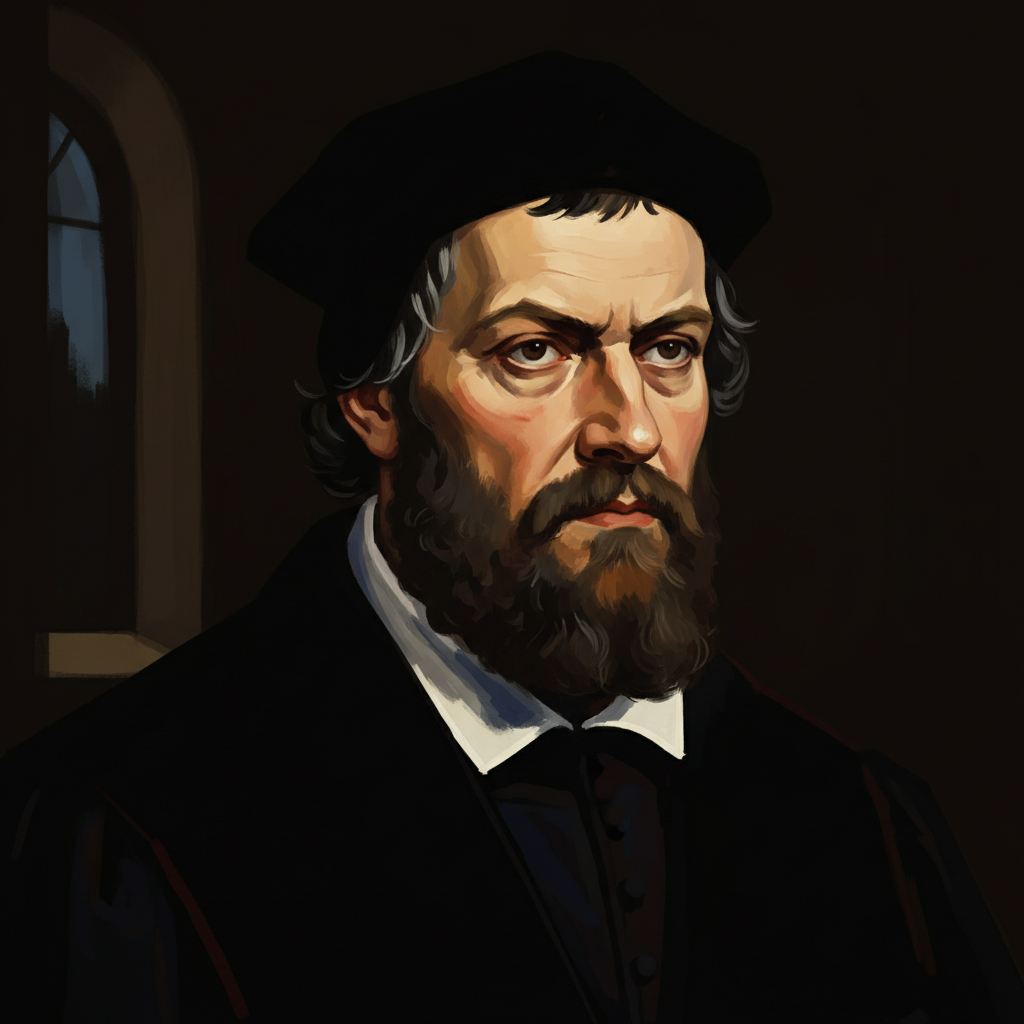
This comes directly from Luther's 'Bondage of the Will' (1525), his sharp reply to Erasmus defending free will. Luther, a former Augustinian monk turned reformer, built his theology on human helplessness and total dependence on God's grace. Denying free will was central to his doctrine of justification by faith alone, since if people could choose salvation, grace would not be purely a gift. The combative 'thunderbolt' language fits his famously blunt, polemical style.
The era
In the early 1500s, Europe was fracturing over the Reformation Luther ignited in 1517. Humanists like Erasmus defended human dignity and moral choice, while reformers pressed the Augustinian view of corrupted human nature. Printing presses spread these debates across Germany rapidly, and political rulers picked sides, destabilizing the old Catholic order. Luther's denial of free will wasn't abstract theology but a direct weapon against papal authority, indulgences, and the entire medieval system of earning merit through works.
AI-generated insights based on extensive research and information for context. Factual errors? Email [email protected].