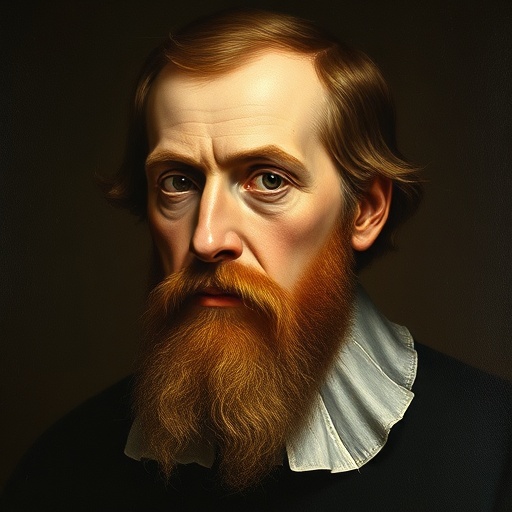
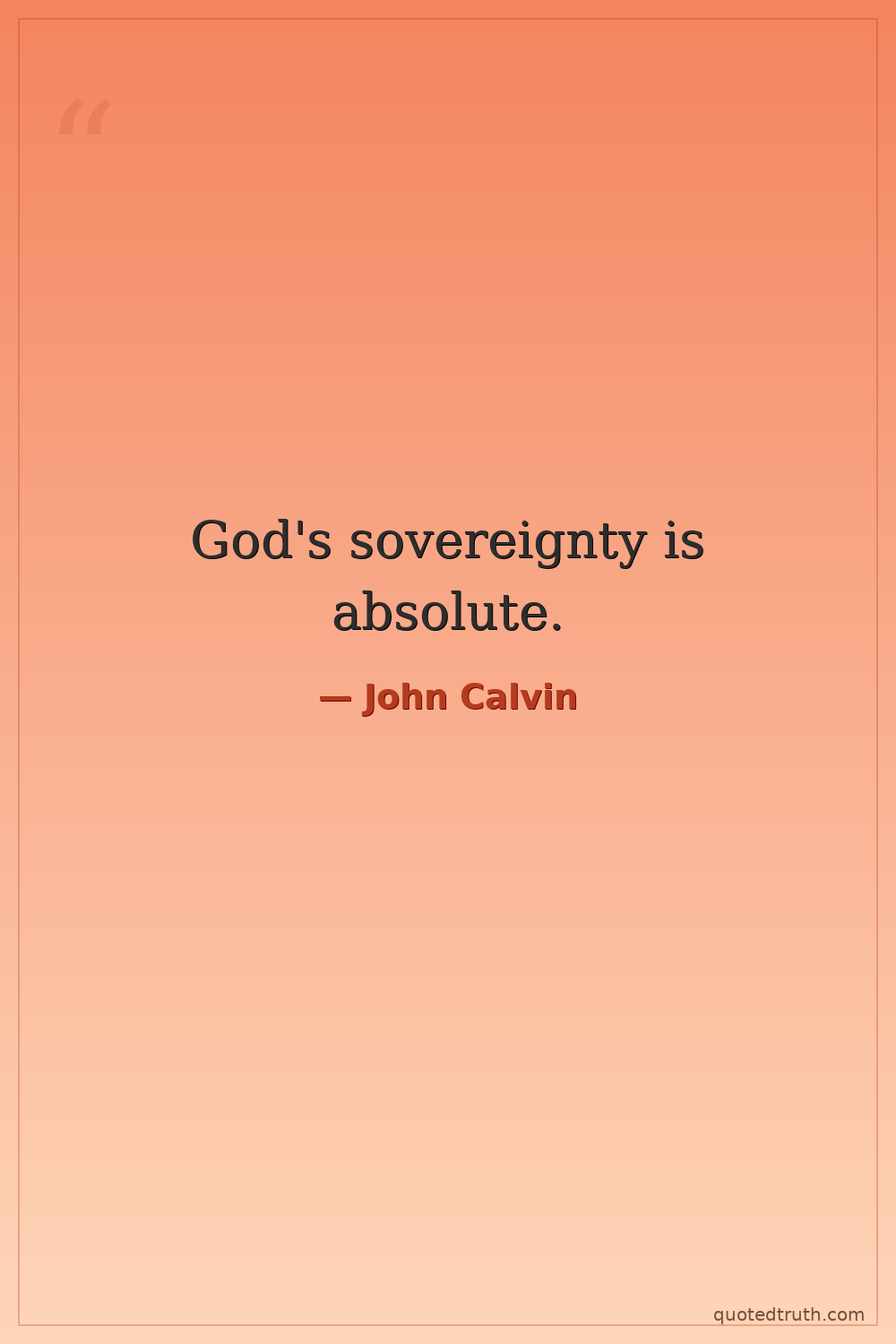
John Calvin — "God's sovereignty is absolute."
God's sovereignty is absolute.
God's sovereignty is absolute.
Click any product to generate a realistic preview. Up to 3 at a time.
* Initial load can take up to 90 seconds — revising the preview in another color is nearly instant.
"We are pilgrims and strangers on earth."
"The elect are vessels of mercy, and the reprobate are vessels of wrath."
"God's decree is the cause of all things, so that nothing happens but by his will and appointment."
"All that a good man does, all that he suffers, all that he thinks, has a reference to God."
"The church is the mother of all the godly."
French theologian whose Institutes of the Christian Religion (1536) systematized Protestant Reformed doctrine, including predestination. Closely associated with Martin Luther (Reformation founder, Calvin's predecessor). For an intellectual contrast, see Jacobus Arminius, Dutch Reformed theologian (1560-1609) — Arminius's rejection of strict double-predestination founded Arminianism — the theological tradition modern Methodism, most evangelicalism, and Pentecostalism descend from. The Calvinist-Arminian debate has divided Protestantism for 400 years.
Found in 1 providers: grok
1 source checked
This quote asserts that God holds complete, unconditional authority over all of creation and history—nothing occurs outside his will or decree. It rejects the idea that chance, human choice, or any rival power can override divine purpose. In practical terms: God does not merely permit events but actively governs every outcome, from individual salvation to the rise and fall of nations, with no exceptions or limitations on his rule.
Calvin built his entire theological system—codified in *Institutes of the Christian Religion* (1536)—around divine sovereignty, most sharply expressed as predestination: God elects souls for salvation purely by his own will, not human merit. As Geneva's civic and ecclesiastical architect, he organized law, church discipline, and governance around this doctrine. Sovereignty was not abstract for Calvin; it was the practical foundation justifying his theocratic reform of an entire city-state.
The 16th-century Reformation shattered medieval Christendom's unified authority structure. The Catholic Church's claim to mediate divine power was under fierce assault, while humanists like Erasmus championed human free will against Luther. Calvin's absolute sovereignty doctrine cut against both fronts—dethroning Rome's institutional intermediary role and rejecting Renaissance confidence in human autonomy. Amid religious wars and collapsing political certainties, declaring God's uncontested rule answered the era's most destabilizing question: who ultimately holds authority?
AI-generated insights based on extensive research and information for context. Factual errors? Email [email protected].
Your cart is empty