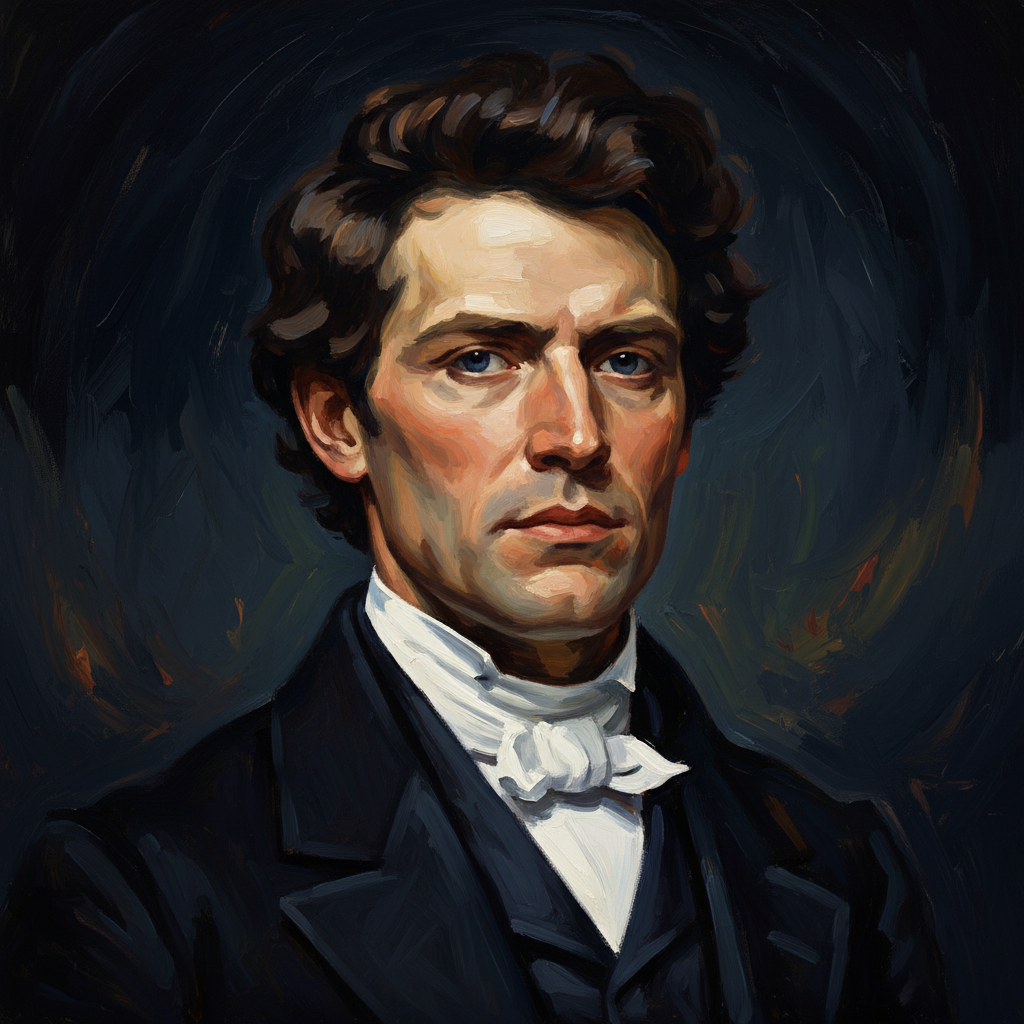
Joseph Smith — "I am not afraid to die. I have done nothing to merit death or condemnation."
I am not afraid to die. I have done nothing to merit death or condemnation.
I am not afraid to die. I have done nothing to merit death or condemnation.
Click any product to generate a realistic preview. Up to 3 at a time.
* Initial load can take up to 90 seconds — revising the preview in another color is nearly instant.
"I am a man of charity, and I will extend charity to all men."
"You have got to learn how to be Gods yourselves, and to be kings and priests to God, the same as all Gods have done before you, namely, by going from a small degree to another, from grace to grace, fr…"
"Come on! ye prosecutors! ye false swearers! All hell, boil over! Ye burning mountains, roll down your lava! for I will come out on the top at last."
"I was born to introduce the kingdom of God to the earth."
"I am a man of virtue, and I will be virtuous in all things."
Found in 1 providers: grok
1 source checked
Fearlessness before death becomes meaningful only when paired with a clear conscience. This quote asserts that mortality itself isn't the real threat—guilt and deserved punishment are. When someone has acted with integrity and broken no moral law, death loses its power as a punishment. It's a declaration that inner conviction matters more than external judgment, and that a person who has lived rightly can meet their end without terror or regret.
Joseph Smith spoke these words shortly before being killed by a mob at Carthage Jail, Illinois, on June 27, 1844. He had voluntarily surrendered to authorities despite knowing the grave danger, proclaiming his innocence of charges against him. His entire career as Mormonism's founder had been marked by persecution, imprisonment, and forced exile. This fearless declaration aligned with his lifelong conviction that his prophetic mission was divinely sanctioned and his conscience morally unimpeachable.
In 1844 America, religious minorities faced violent persecution with little legal recourse. The Second Great Awakening had birthed new faiths amid fierce sectarian rivalries. Smith had recently publicized plural marriage, intensifying anti-Mormon hostility in Illinois, and had declared himself a US presidential candidate. Frontier mob justice routinely overrode formal courts. Smith's assertion of innocence before death was both a personal testament and a deliberate appeal to history's judgment over his contemporaries' condemnation.
AI-generated insights based on extensive research and information for context. Factual errors? Email [email protected].
Your cart is empty