What it means
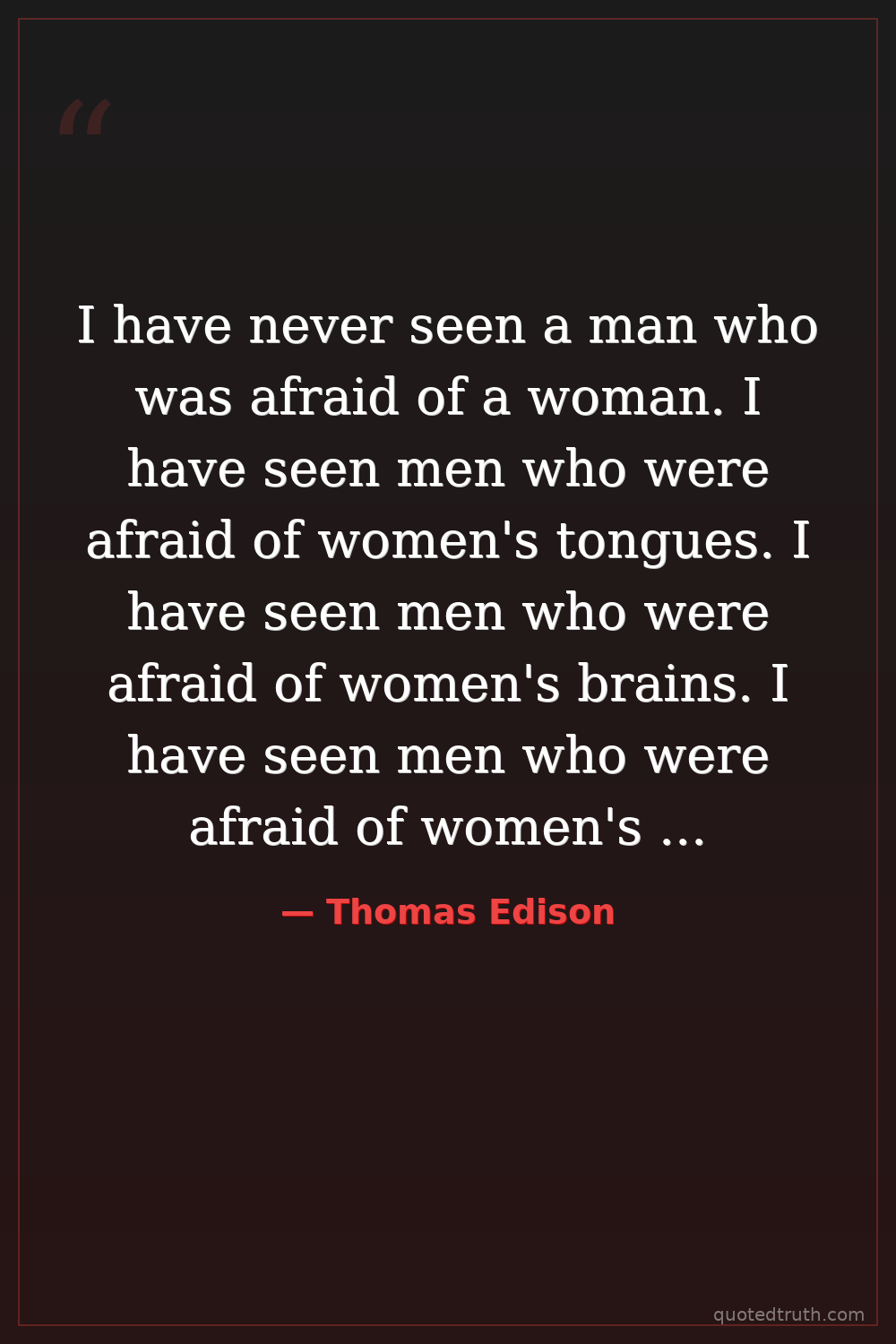
Men rarely fear women as whole people, but they do fear specific qualities women possess. They fear sharp criticism and words that expose them, intellect that outmatches their own, and the resilience or power women demonstrate. The quote reframes male intimidation toward women as a reaction to particular capabilities rather than to women themselves, pointing out that dismissiveness often masks insecurity about being outmatched in argument, thought, or endurance.
Relevance to Thomas Edison
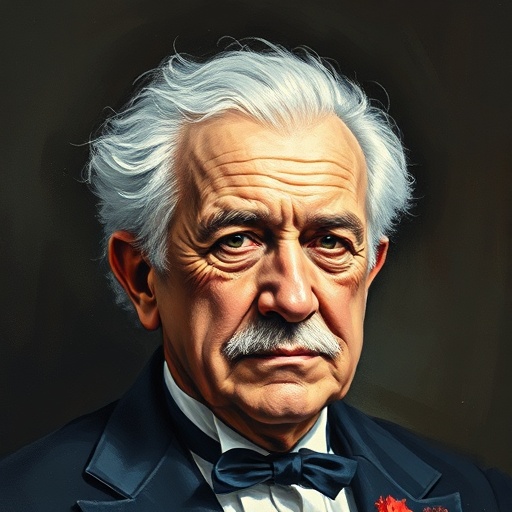
Edison worked extensively with women in his lab and household, including his second wife Mina Miller, an educated woman from a prominent family who managed his estate and correspondence. His daughter Madeleine pursued independence unusual for her time. As a self-taught inventor who valued practical intelligence over credentials, Edison respected demonstrated ability, and his remark reflects an observational, experimental style applied to human behavior rather than formal theorizing.
The era
Edison lived through the late 1800s and early 1900s, when the suffrage movement was reshaping public debate about women's roles. Women were entering universities, professions, and factories during World War I, and the 19th Amendment passed in 1920, granting voting rights. Debates over women's intellectual capacity, physical stamina, and public voice were loud and contested. Edison's remark lands inside that cultural moment, when men were openly grappling with women claiming space in arenas previously closed to them.
AI-generated insights based on extensive research and information for context. Factual errors? Email [email protected].