What it means
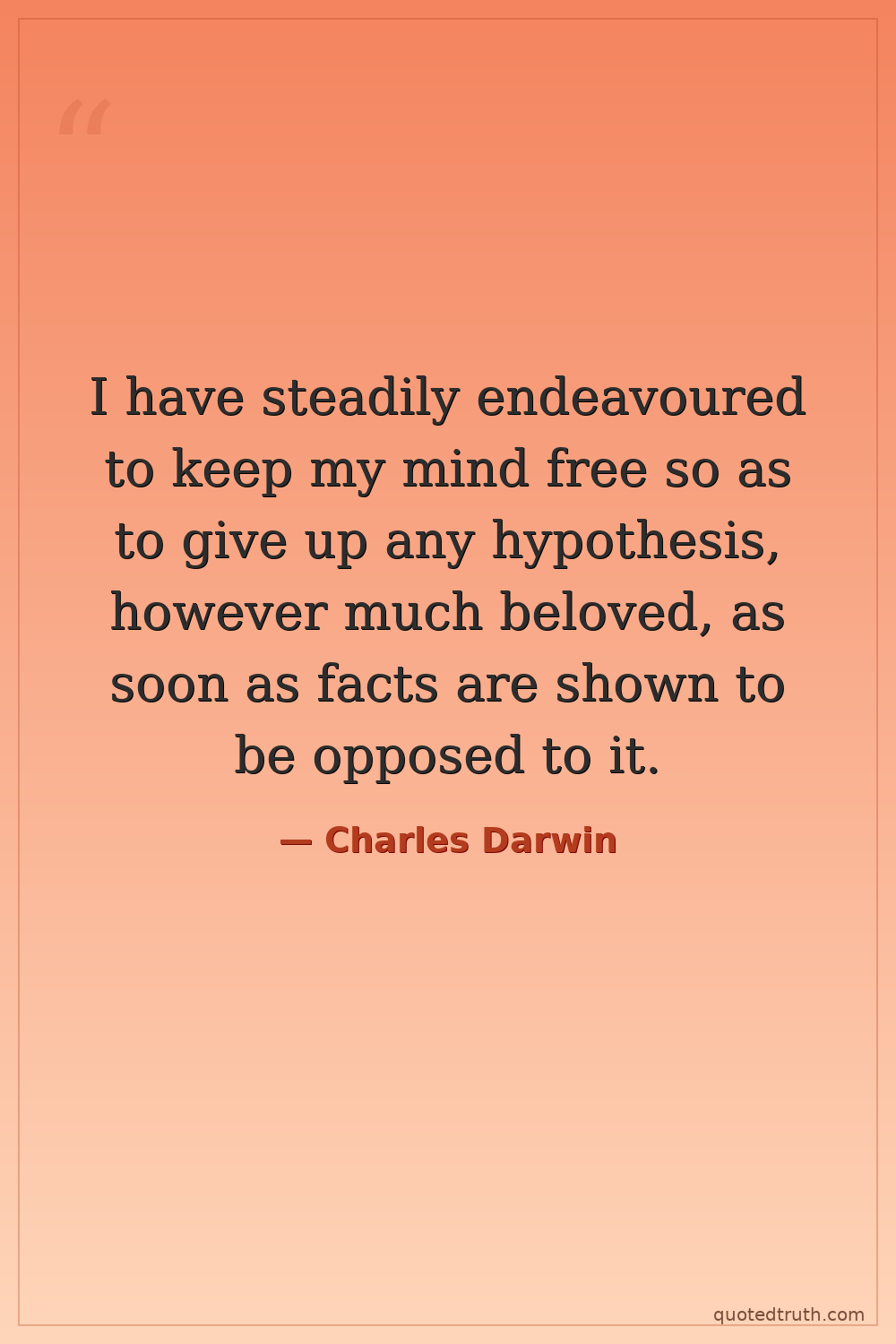
Intellectual honesty requires letting evidence override attachment. When you love an idea deeply — have invested time, reputation, and identity in it — the temptation is to rationalize away contradicting facts. This quote describes the opposite: a commitment to releasing any belief, no matter how cherished, the moment hard evidence proves it wrong. It's a definition of scientific thinking itself: truth matters more than being right.
Relevance to Charles Darwin
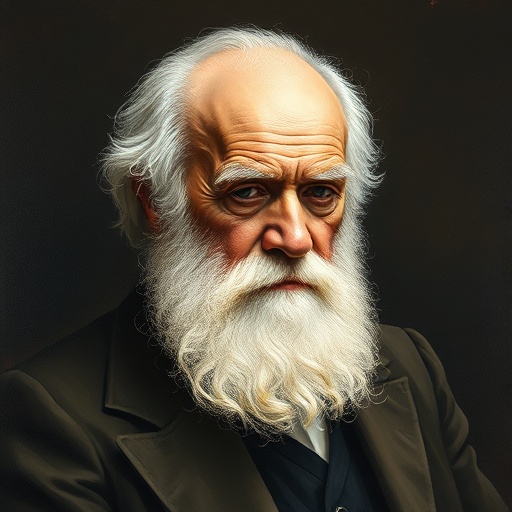
Darwin spent over 20 years gathering evidence before publishing 'On the Origin of Species' in 1859, constantly revising and stress-testing his theory. Trained for the clergy, he let fossil and geological evidence erode his creationist beliefs entirely. On the Beagle voyage and afterward, he documented thousands of specimens before committing to conclusions. This wasn't timidity — it was exactly the discipline he described: evidence first, conclusions second, always.
The era
Victorian England operated under natural theology — the accepted doctrine that nature's complexity proved divine creation. When Darwin published in 1859, most scientists and clergy believed species were fixed, designed by God. Geology was only beginning to reveal Earth's vast age. Darwin's insistence on evidence over assumption was radical: it directly threatened religious orthodoxy, established scientific consensus, and the social order built on both. Following facts wherever they led was genuinely dangerous.
AI-generated insights based on extensive research and information for context. Factual errors? Email [email protected].