Martin Luther — "The pope, a nemesis, was his 'dearest little ass-pope.'"
The pope, a nemesis, was his 'dearest little ass-pope.'
The pope, a nemesis, was his 'dearest little ass-pope.'
Click any product to generate a realistic preview. Up to 3 at a time.
* Initial load can take up to 90 seconds — revising the preview in another color is nearly instant.
"I am like a ripe nut; I am ready to fall."
"I cannot pray without cursing."
"Sleep is a most excellent thing, for it makes us forget all the miseries of life."
"The church is not a pen-house but a mouth-house."
"A theologian is born by living, nay dying and being damned, not by thinking, reading, or speculating."
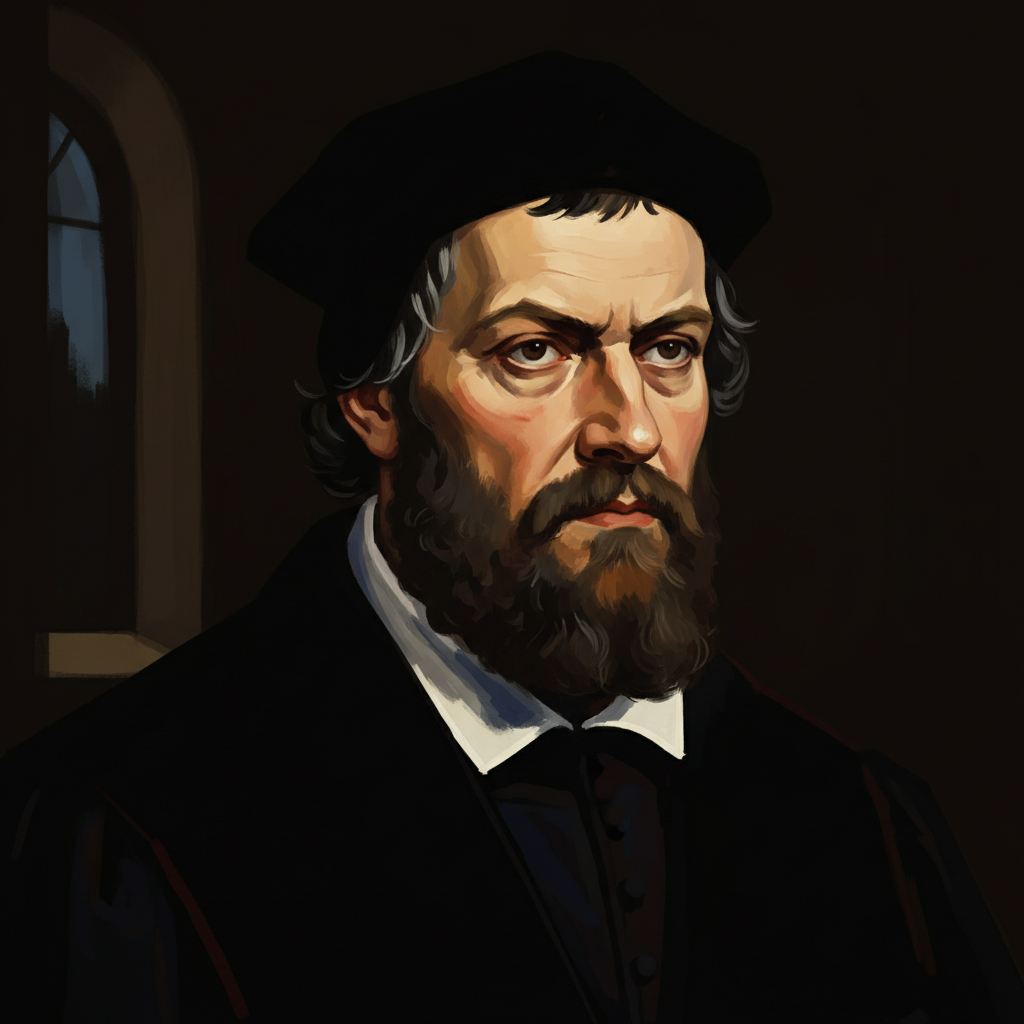
German theologian whose 95 Theses (1517) launched the Protestant Reformation and broke the Catholic Church's monopoly on Western Christianity. Closely associated with Philipp Melanchthon (Lutheran systematizer) and John Calvin (later Reformer who built on Luther's break). For an intellectual contrast, see Pope Leo X, Renaissance pope (1513-1521) — Leo X's indulgence sales triggered Luther's break and Leo excommunicated him in 1521 — Luther's entire Reformation is structured as a direct answer to the indulgence-funded Vatican Leo represented.
A derogatory term used in reference to the Pope.
Date: Undated, from his polemical writings
GeneralFound in 1 providers: gemini
1 source checked
This quote captures how Luther used crude, mocking nicknames for his opponents, calling the pope his 'dearest little ass-pope.' It reflects a style of insult where sarcasm and endearment are fused to belittle a rival. Rather than formal theological disagreement, Luther weaponized childish, scatological ridicule to strip authority figures of their dignity and expose what he saw as their absurdity and corruption.
Luther was famous for his vulgar, biting rhetoric, especially against the papacy, which he considered the Antichrist after his 1521 excommunication. He wrote tracts filled with scatological slurs and published woodcuts depicting the pope as a donkey-monster. A former Augustinian monk turned reformer, he believed mockery was a legitimate weapon against spiritual tyranny, and his coarse tongue shaped both his popular appeal and lasting controversy.
In early modern Europe, the Reformation shattered Western Christendom. Printing presses spread pamphlets cheaply, and polemical insult was standard political warfare. Luther's 1517 Ninety-Five Theses ignited decades of religious conflict, with popes, princes, and reformers trading accusations of heresy. Crude humor and animal imagery were common propaganda tools, and calling the pope a donkey tapped medieval traditions of carnival inversion used to humiliate those claiming divine authority.
AI-generated insights based on extensive research and information for context. Factual errors? Email [email protected].
Your cart is empty