What it means
Don't water down grace by treating it as a reward for people who pretend to be only slightly flawed. Real grace meets real sin. Stop minimizing your failures or performing moral neatness. Acknowledge the full weight of what you've done wrong, then place even greater confidence in Christ, who has already defeated sin and death. Trust, not self-improvement theater, is what saves you, so live boldly rather than anxiously curating a clean image.
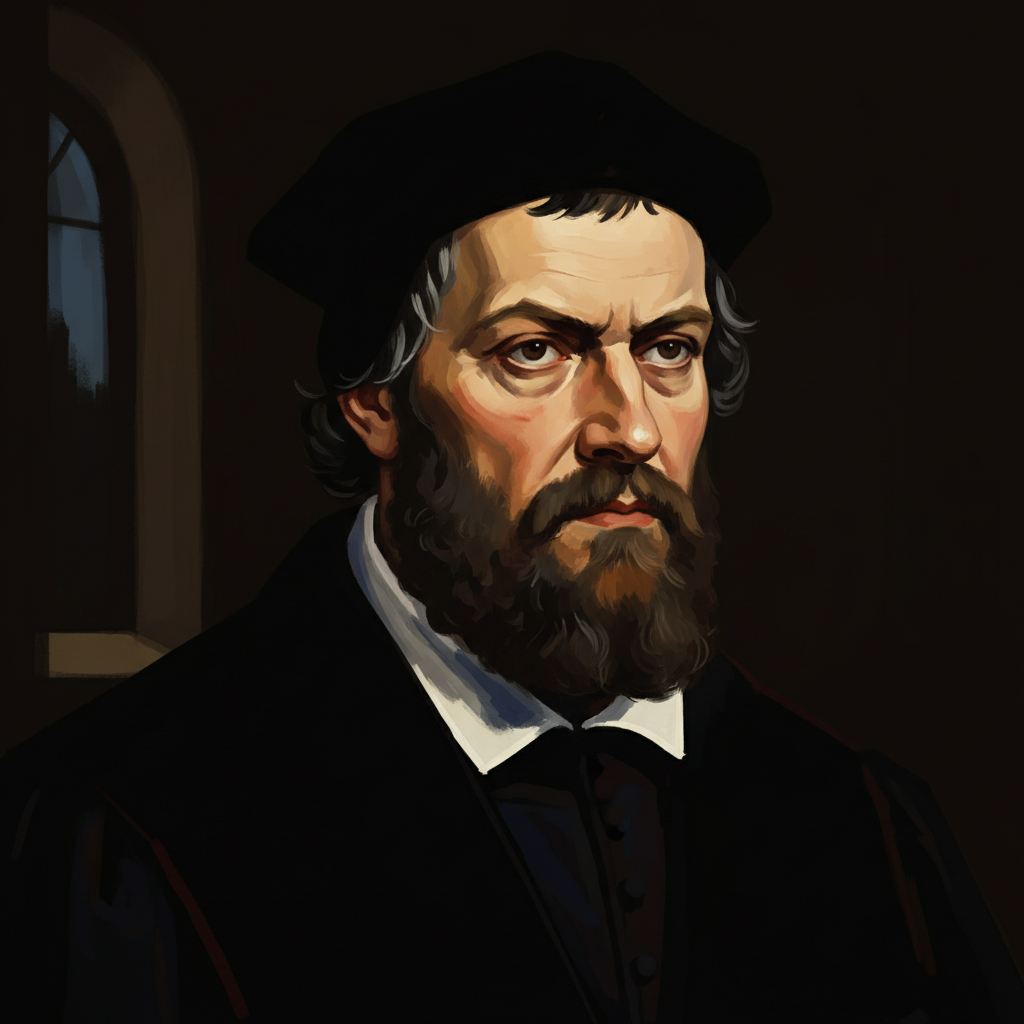
Relevance to Martin Luther
Luther rejected the medieval penitential system that urged believers to tally and minimize sins through confession and indulgences. As an Augustinian monk tormented by scrupulosity, he discovered justification by faith alone, the cornerstone of his Reformation. This quote, from a 1521 letter to Philip Melanchthon, captures his radical teaching that Christians remain simultaneously righteous and sinner, trusting Christ's finished work rather than their own moral performance or priestly absolution.
The era
In early sixteenth-century Europe, the Catholic Church dominated spiritual life through sacraments, purgatory doctrine, and indulgences sold to fund projects like St. Peter's Basilica. Anxiety about salvation drove obsessive confession and pilgrimage. The printing press was spreading ideas faster than authorities could suppress them. Luther's 1517 Ninety-Five Theses had already ignited controversy, and by 1521 he faced imperial ban at the Diet of Worms, making bold declarations about grace both theologically revolutionary and personally dangerous.
AI-generated insights based on extensive research and information for context. Factual errors? Email [email protected].