What it means
Speaking truth broadly means nothing if you stay silent on the exact issue under attack right now. Defending every other principle while dodging the one currently being challenged is not courage but cowardice. Real commitment is measured by where you stand when the specific pressure hits, not by how eloquently you affirm safer, uncontested beliefs. Avoiding the contested point while loudly proclaiming everything else is a form of retreat dressed up as faithfulness.
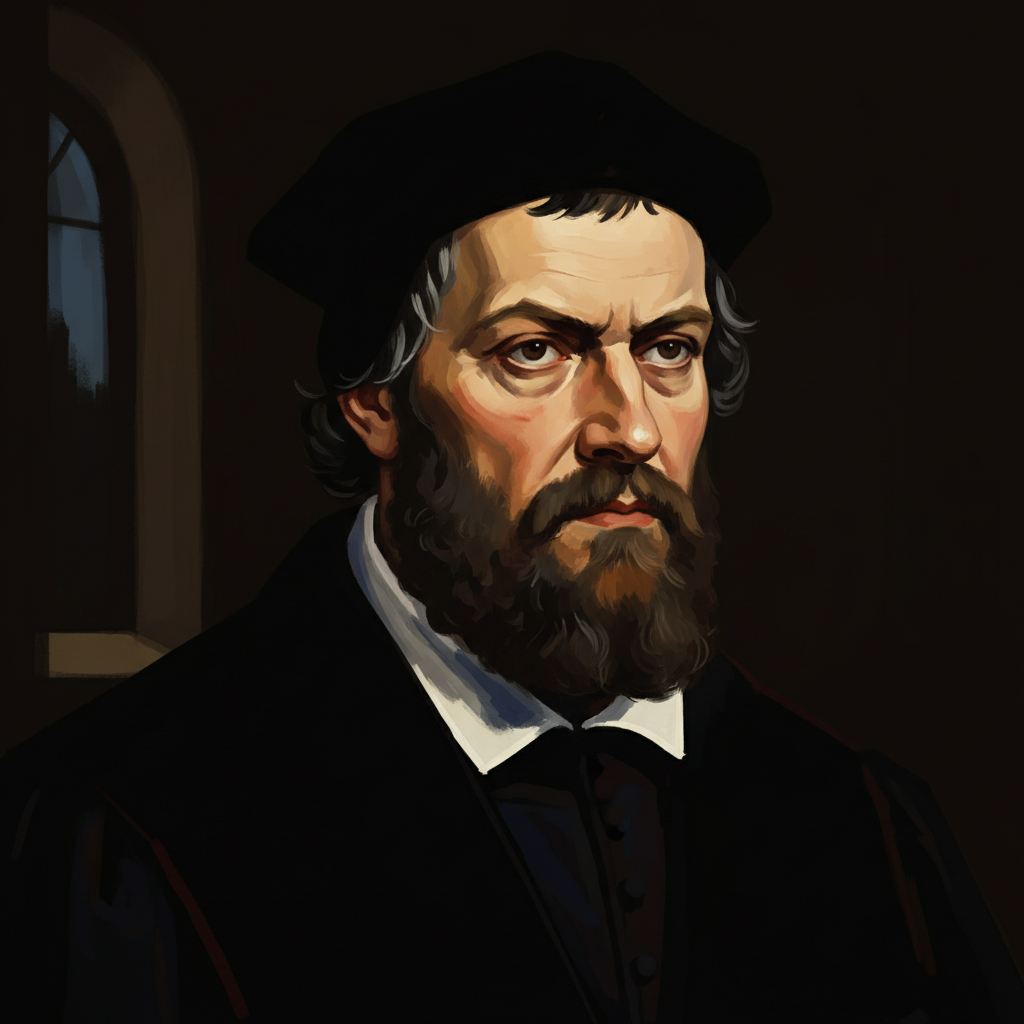
Relevance to Martin Luther
Luther lived this principle when he refused to recant at the Diet of Worms in 1521, standing on the single contested point about papal authority and indulgences rather than retreating to safer theological ground. As an Augustinian monk turned reformer, he risked excommunication and execution by confronting the exact doctrines Rome defended most fiercely. His Ninety-Five Theses and subsequent writings targeted precisely the abuses his opponents refused to address.
The era
In early sixteenth-century Europe, the Catholic Church held absolute spiritual and political authority, and dissent meant heresy trials and burning. The printing press was rapidly spreading ideas, indulgence sales funded Saint Peter's Basilica, and humanist scholarship was reopening scripture. Luther's 1517 protest ignited the Reformation, fracturing Christendom and triggering decades of religious war. In this climate, vague piety was safe while specific challenges to Rome could cost you your life.
AI-generated insights based on extensive research and information for context. Factual errors? Email [email protected].