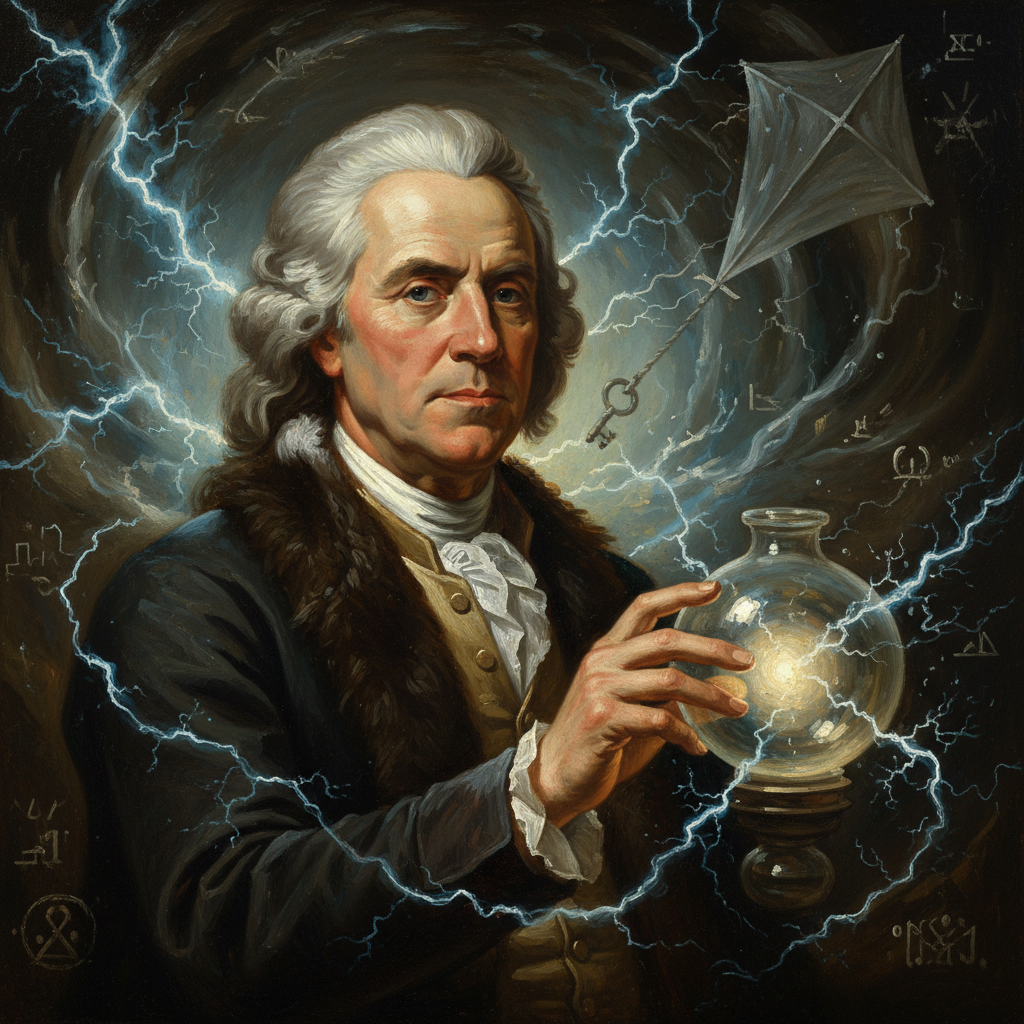
Benjamin Franklin — "If you would be lov'd, love."
If you would be lov'd, love.
If you would be lov'd, love.
Click any product to generate a realistic preview. Up to 3 at a time.
* Initial load can take up to 90 seconds — revising the preview in another color is nearly instant.
"Beware of the young doctor and the old barber."
"The only things certain in life are death and taxes."
"A man's own manner of living is a perpetual sermon."
"Nothing is certain except death and taxes."
"Who has deceived thee as often as thyself?"
Polymath Founding Father, diplomat, and Poor Richard's Almanack author who helped draft the Declaration of Independence and the Constitution. Closely associated with John Adams (fellow Founder, Massachusetts statesman) and Thomas Jefferson (fellow Declaration drafter). For an intellectual contrast, see Thomas Hutchinson, last royal governor of colonial Massachusetts — Franklin leaked Hutchinson's loyalist correspondence to Boston in 1772 to inflame revolutionary sentiment — Hutchinson represented the colonial-aristocrat crown-loyalty that Franklin's revolution was organized to dismantle.
Found in 1 providers: grok
1 source checked
Want to be loved? Start by loving others. This quote cuts through sentimentality to offer a practical rule: love is not something that simply happens to you — it is something you generate through your own actions. If you want warmth, affection, or loyalty from the people around you, the most reliable path is to offer those things first. The return is earned, not waited for.
Franklin spent his life mastering social relationships — as a diplomat, printer, civic organizer, and beloved public figure on two continents. His Poor Richard's Almanack was built around practical behavioral rules. In Paris, he won French support for the Revolution through personal warmth and charm. He understood that trust and affection were currencies earned through sustained generosity of spirit, not demanded or assumed.
Franklin lived in the Enlightenment, when thinkers challenged rigid Calvinist ideas about predestination and innate sin, replacing them with belief in human perfectibility through deliberate action. Social standing in colonial America increasingly depended on reputation and conduct rather than inherited title. The idea that individuals could shape their relationships through chosen behavior was both fresh and empowering in this era.
AI-generated insights based on extensive research and information for context. Factual errors? Email [email protected].
Your cart is empty