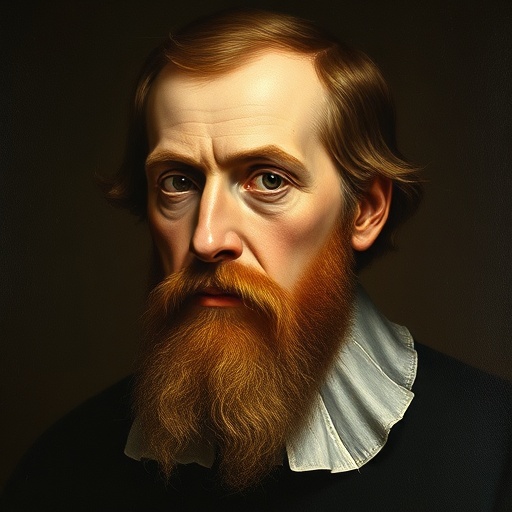
John Calvin — "It is not enough to have a good cause, but we must also have a good conscience."
It is not enough to have a good cause, but we must also have a good conscience.
It is not enough to have a good cause, but we must also have a good conscience.
Click any product to generate a realistic preview. Up to 3 at a time.
* Initial load can take up to 90 seconds — revising the preview in another color is nearly instant.
"The elect are called according to God's purpose, not according to their own merits."
"The wicked are justly punished, because they have offended God by their sins."
"Our hearts are so prone to idolatry that we cannot but be continually forging new gods for ourselves."
"The grace of God is the only foundation of our salvation."
"The reason why some are saved and others perish is not to be sought in their own will, but in the secret counsel of God."
French theologian whose Institutes of the Christian Religion (1536) systematized Protestant Reformed doctrine, including predestination. Closely associated with Martin Luther (Reformation founder, Calvin's predecessor). For an intellectual contrast, see Jacobus Arminius, Dutch Reformed theologian (1560-1609) — Arminius's rejection of strict double-predestination founded Arminianism — the theological tradition modern Methodism, most evangelicalism, and Pentecostalism descend from. The Calvinist-Arminian debate has divided Protestantism for 400 years.
Found in 1 providers: grok
1 source checked
Having a just goal isn't enough — your inner moral integrity must match your actions. You can't pursue a worthy aim through deceptive, cruel, or self-serving means and still call yourself righteous. Conscience isn't a bystander to your cause; it governs how you pursue it. This is a direct warning against ends-justify-the-means thinking: a good outcome sought through a corrupt or dishonest heart remains morally compromised.
Calvin's entire theology centered on the condition of the human heart before God. As Geneva's foremost moral reformer, he established the Consistory — a disciplinary body — to enforce not just doctrinal correctness but personal integrity. He believed God's elect were transformed inwardly, not just outwardly obedient. Calvin's own life was marked by relentless self-examination, and he repeatedly warned that religious zeal without genuine inner sanctification was hypocrisy, not faith.
During the 16th-century Reformation, every faction — Catholic, Lutheran, Anabaptist, Reformed — claimed divine sanction for their cause. Religious wars erupted across Europe; rulers and inquisitors justified persecution, torture, and executions under the banner of God's truth. In this climate of righteous violence, Calvin's insistence that a good cause required a clean conscience was a moral check: spiritual ends could not excuse corrupt means or self-serving zeal masquerading as devotion.
AI-generated insights based on extensive research and information for context. Factual errors? Email [email protected].
Your cart is empty