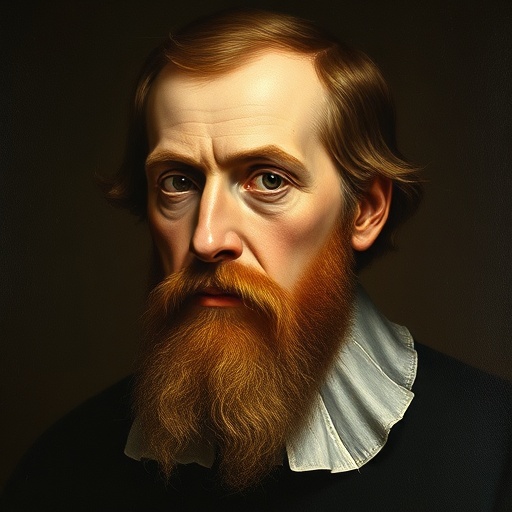
John Calvin — "The elect are called according to God's purpose, not according to their own meri…"
The elect are called according to God's purpose, not according to their own merits.
The elect are called according to God's purpose, not according to their own merits.
Click any product to generate a realistic preview. Up to 3 at a time.
* Initial load can take up to 90 seconds — revising the preview in another color is nearly instant.
"It is not in vain that he banishes all those human affections which soften our hearts; that he commands paternal love and all the benevolent feelings between brothers, relations, and friends to cease;…"
"The grace of God is the only foundation of our salvation."
"The wicked are a kind of chaff, that the wind driveth away."
"The wicked are justly punished, because they have offended God by their sins."
"God, by a just and irreprehensible, but incomprehensible judgment, has predestinated some to eternal life, and others to eternal death."
French theologian whose Institutes of the Christian Religion (1536) systematized Protestant Reformed doctrine, including predestination. Closely associated with Martin Luther (Reformation founder, Calvin's predecessor). For an intellectual contrast, see Jacobus Arminius, Dutch Reformed theologian (1560-1609) — Arminius's rejection of strict double-predestination founded Arminianism — the theological tradition modern Methodism, most evangelicalism, and Pentecostalism descend from. The Calvinist-Arminian debate has divided Protestantism for 400 years.
Found in 1 providers: grok
1 source checked
God chooses who receives salvation based entirely on His own sovereign will and plan, not because of anything a person has done, earned, or deserves. Human effort, moral conduct, and religious performance play no role in determining who is saved. Election is a divine act originating solely in God's inscrutable purpose, making salvation a matter of grace alone rather than human achievement or worthiness.
Calvin built his entire theological system around God's absolute sovereignty. His landmark Institutes of the Christian Religion systematically argued double predestination — God elects some to salvation, others to damnation — before any human act occurs. As Geneva's reformer, Calvin enforced this doctrine institutionally, disciplining those who taught that human will or merit cooperated in salvation. It was his sharpest break from Catholic teaching and his most defining and controversial theological contribution.
The Catholic Church taught that grace and human cooperation together produced merit worthy of salvation, backed by centuries of scholastic theology. Indulgences commercialized this merit system, triggering Luther's revolt. Calvin, writing amid the Reformation's second generation, needed a coherent counter-framework. His predestination doctrine struck directly at Catholic soteriology and also challenged Arminian-leaning Protestants, arriving precisely when Europe's religious identity was being permanently fractured along these salvation-doctrine fault lines.
AI-generated insights based on extensive research and information for context. Factual errors? Email [email protected].
Your cart is empty