What it means
Music isn't background noise or a pastime — it's the medium through which Einstein processed thought, emotion, and imagination. His inner life runs on music: daydreams take musical form, meaning is structured like music. Strip it away and something essential about who he is disappears. For him, music and being alive are inseparable, not two things but one continuous experience of existing in the world.
Relevance to Albert Einstein
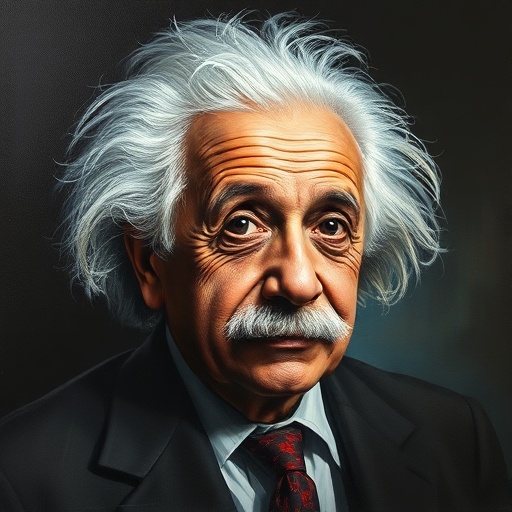
Einstein began violin at age 5 and played throughout his life, favoring Mozart and Bach. He performed chamber music with friends and fellow scientists well into his Princeton years. When stuck on physics problems, he turned to his violin, finding that playing unlocked creative thinking. Music wasn't separate from his scientific work — it was a parallel channel for accessing the same deep structural patterns he pursued in relativity.
The era
Einstein came of age in late 19th-century Germany and Switzerland, where classical music was central to educated middle-class life — amateur performance was a mark of cultivation, not mere hobby. Through two world wars, Nazi persecution, and exile from Europe, music provided continuity and meaning. As physics shattered Newtonian certainty, the ordered beauty of Bach and Mozart offered Einstein something stable: a universe that still made elegant, transcendent sense.
AI-generated insights based on extensive research and information for context. Factual errors? Email [email protected].