What it means
A Tirthankara — literally a 'ford-maker' — is defined here by three interlocking qualities: universal compassion for all living beings, complete conquest of inner passions like anger and greed, and attainment of omniscient knowledge. Together they describe a perfected spiritual teacher who has crossed the ocean of rebirth and builds a path for others. The quote sets a demanding standard: liberation requires not just wisdom but total emotional mastery and unconditional concern for every living creature.
Relevance to Mahavira
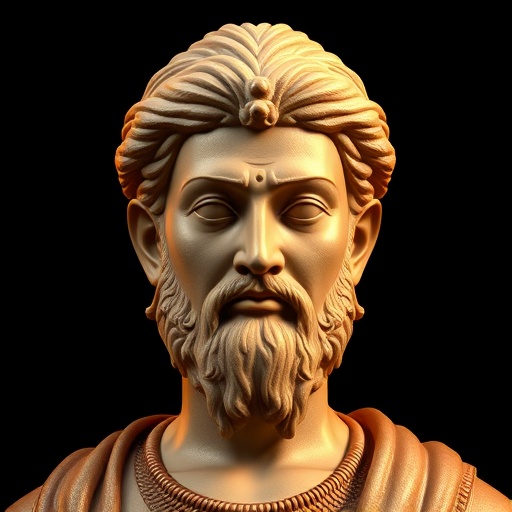
Mahavira is himself the 24th Tirthankara in Jain tradition, making this quote a self-definition. He renounced his Kshatriya princely life at 30, endured 12 years of extreme asceticism, and attained Kevala Jnana — omniscience. He then preached for 30 years, emphasizing ahimsa toward all beings and conquest of the four passions: anger, pride, deceit, and greed. By defining the Tirthankara ideal, he articulates the transformation his own life was meant to demonstrate.
The era
Mahavira lived in 6th-century BCE northeastern India during the Axial Age, a period of radical spiritual questioning across Eurasia. Vedic Brahminism dominated with hereditary priests, ritual sacrifice, and rigid caste hierarchy. Mahavira directly challenged this by rejecting Vedic scripture, animal sacrifice, and priestly mediation. The Tirthankara concept was subversive: liberation came through personal discipline and universal compassion, not birthright or ritual. Buddhism arose simultaneously, and together these movements fundamentally reshaped Indian religious thought away from sacrificial orthodoxy.
AI-generated insights based on extensive research and information for context. Factual errors? Email [email protected].