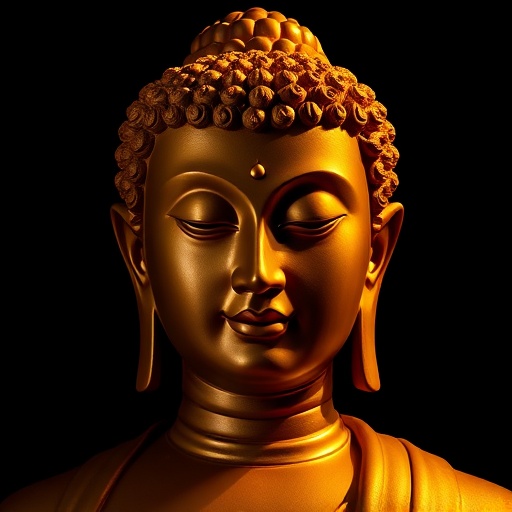
Siddhartha Gautama (Buddha) — "Peace comes from within. Do not seek it without."
Peace comes from within. Do not seek it without.
Peace comes from within. Do not seek it without.
Click any product to generate a realistic preview. Up to 3 at a time.
* Initial load can take up to 90 seconds — revising the preview in another color is nearly instant.
"It is during our darkest moments that we must focus to see the light."
"A mind unruffled by the vagaries of fortune, from sorrow freed, from defilements cleansed, from fear liberated — this is the greatest blessing."
"Do not pursue the past. Do not lose yourself in the future. The past no longer is. The future has not yet come. Looking deeply at life as it is in the very here and now, the practitioner dwells in sta…"
"Nothing can harm you as much as your own thoughts unguarded."
"Whatever a foe may do to a foe, or a hater to a hater, a wrongly directed mind will do us greater mischief."
Attributed, often cited in various Buddhist texts and teachings.
Date: c. 5th century BCE
WisdomFound in 2 providers: grok,gemini
2 sources checked
Real peace is an inner state you cultivate through your own mind and awareness, not something you can find by changing external circumstances, acquiring possessions, or waiting for the world to arrange itself favorably. Chasing calm through outside conditions keeps you dependent on things you cannot control. Turn attention inward, work with your thoughts and reactions, and stability becomes available regardless of what surrounds you.
Siddhartha was a prince surrounded by luxury who found palace comforts could not quiet his mind, so he left everything to seek answers. After years of extreme asceticism also failed, he sat under the Bodhi tree and awakened through inner inquiry, not outer achievement. His entire teaching centers on training the mind through meditation, mindfulness, and insight, making this line a direct distillation of his personal discovery.
In 5th–6th century BCE northern India, religious life meant elaborate Vedic rituals, animal sacrifices, caste-bound priesthoods, and pilgrimages to sacred sites, all outward acts mediated by Brahmin authority. A wave of shramana seekers, including Mahavira, pushed back by emphasizing personal experience over ceremony. The Buddha's insistence that liberation is internal bypassed priests, rituals, and social hierarchy entirely, which was culturally radical and helped Buddhism spread across classes.
AI-generated insights based on extensive research and information for context. Factual errors? Email [email protected].
Your cart is empty