What it means
Ordinary people, like stubborn donkeys, will not respond to gentle persuasion or clever tricks. They must be governed through firm, coercive authority. God understood human nature perfectly, which is why he equipped rulers with weapons and the power to punish rather than with cunning or diplomacy. Force, not craftiness, is the proper tool for keeping society orderly and obedient.
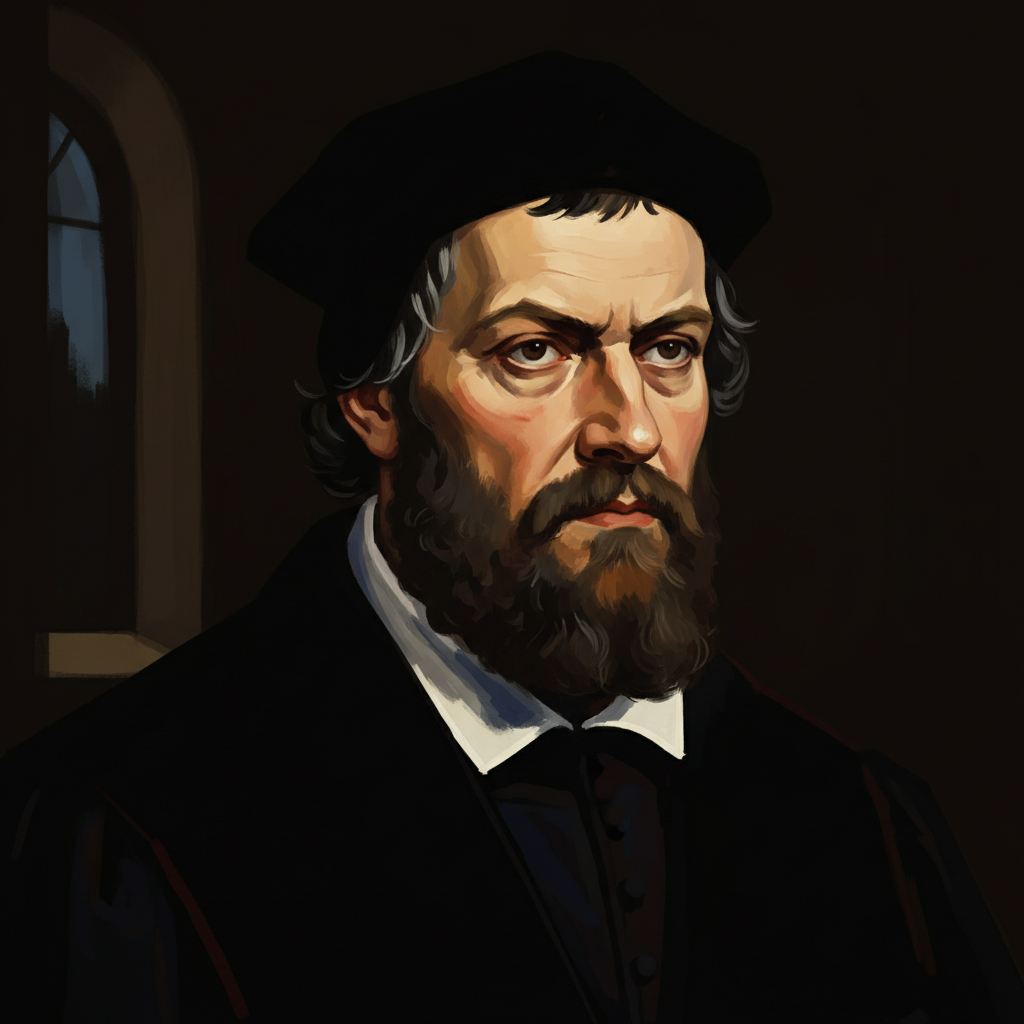
Relevance to Martin Luther
Luther defended harsh secular authority, especially after the 1525 Peasants' War, when he wrote 'Against the Murderous Hordes of Peasants' urging princes to slaughter rebels. Though he challenged Rome spiritually, he insisted earthly government must crush disorder. His two-kingdoms doctrine separated gospel mercy from state power, giving magistrates the sword to punish sin and rebellion without theological restraint.
The era
The early sixteenth century saw peasant uprisings, Anabaptist radicals, and Ottoman pressure threatening Germany's fragile political order. The 1525 revolt killed roughly 100,000 peasants. Reformation upheaval made princes anxious that religious freedom meant social chaos. Luther, dependent on Saxon electors for protection, reassured rulers that reform would not undermine their authority, cementing the alliance between Protestant theology and territorial princely power that shaped Europe for centuries.
AI-generated insights based on extensive research and information for context. Factual errors? Email [email protected].