What it means
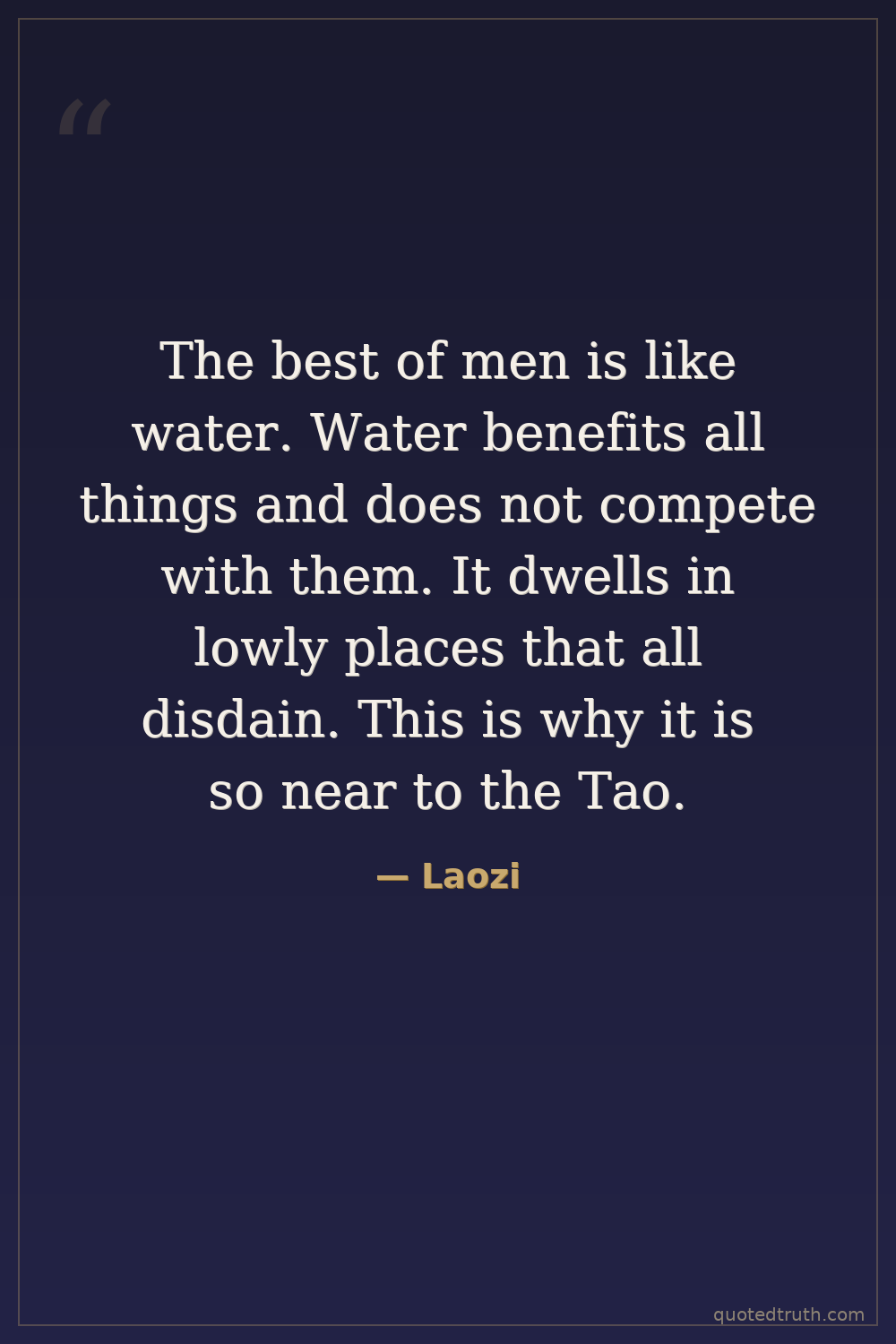
The highest kind of person acts like water: helping everyone without demanding credit, flowing naturally into whatever shape is needed, and settling into positions others avoid. Instead of pushing, striving, or competing for status, they adapt, nourish, and serve quietly. Their power comes from humility and yielding rather than force. Because they resist nothing and seek nothing for themselves, they stay in effortless harmony with the deeper flow of life.
Relevance to Laozi
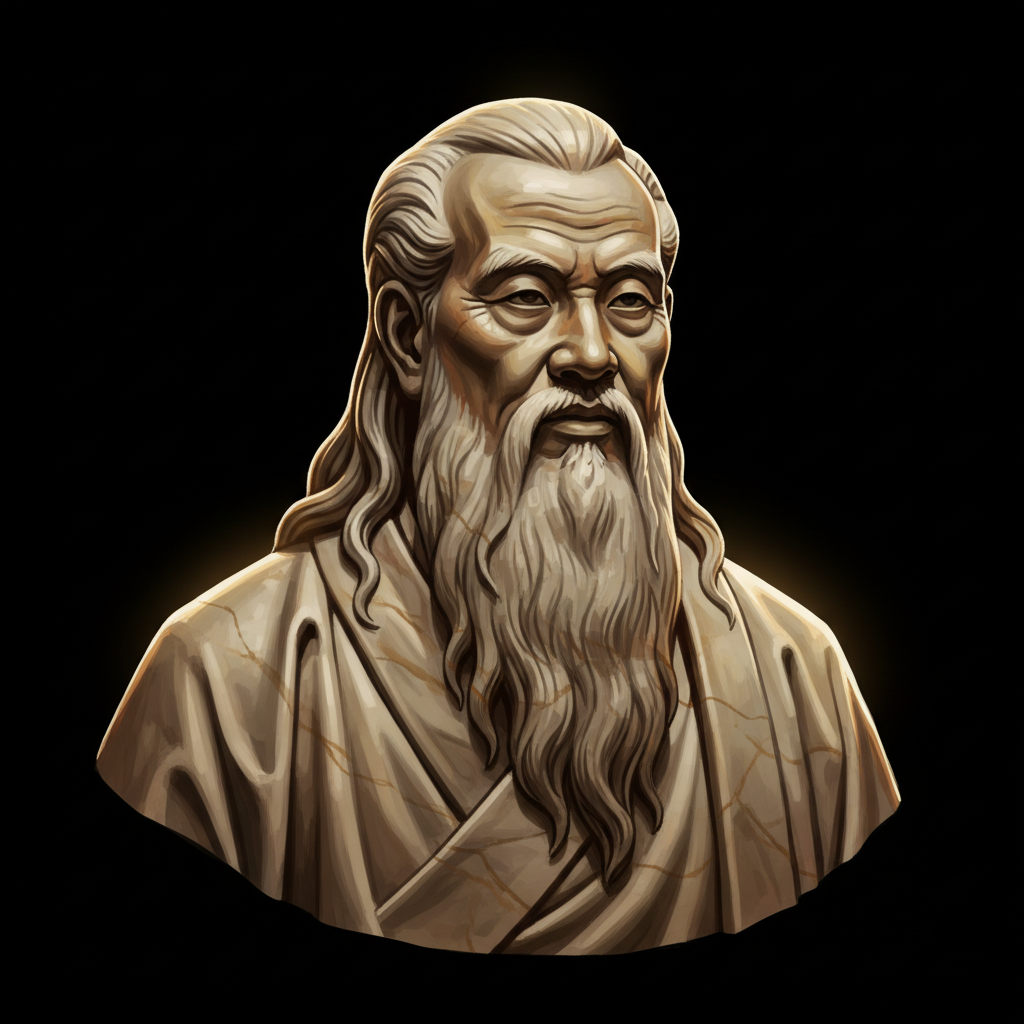
Laozi, the legendary founder of Taoism, taught wu wei, effortless action aligned with nature rather than ambition. Said to have worked as an archivist in the Zhou royal court, he reportedly grew disillusioned with political striving and withdrew westward, leaving behind the Tao Te Ching. Water, soft yet world-shaping, became his signature image for the sage who leads by yielding. This saying mirrors his own retreat from power and his belief that humility outlasts force.
The era
Laozi lived during the late Zhou dynasty, roughly the 6th century BCE, as centralized rule collapsed into the warring, competitive states that produced the Hundred Schools of Thought. Confucians pushed ritual, hierarchy, and active moral duty; Legalists demanded harsh control. Against that backdrop of ambition, warfare, and court intrigue, Laozi's praise of lowliness, non-competition, and yielding was radical. Elevating water over conquest directly challenged the era's obsession with status, dominance, and aggressive statecraft.
AI-generated insights based on extensive research and information for context. Factual errors? Email [email protected].