What it means
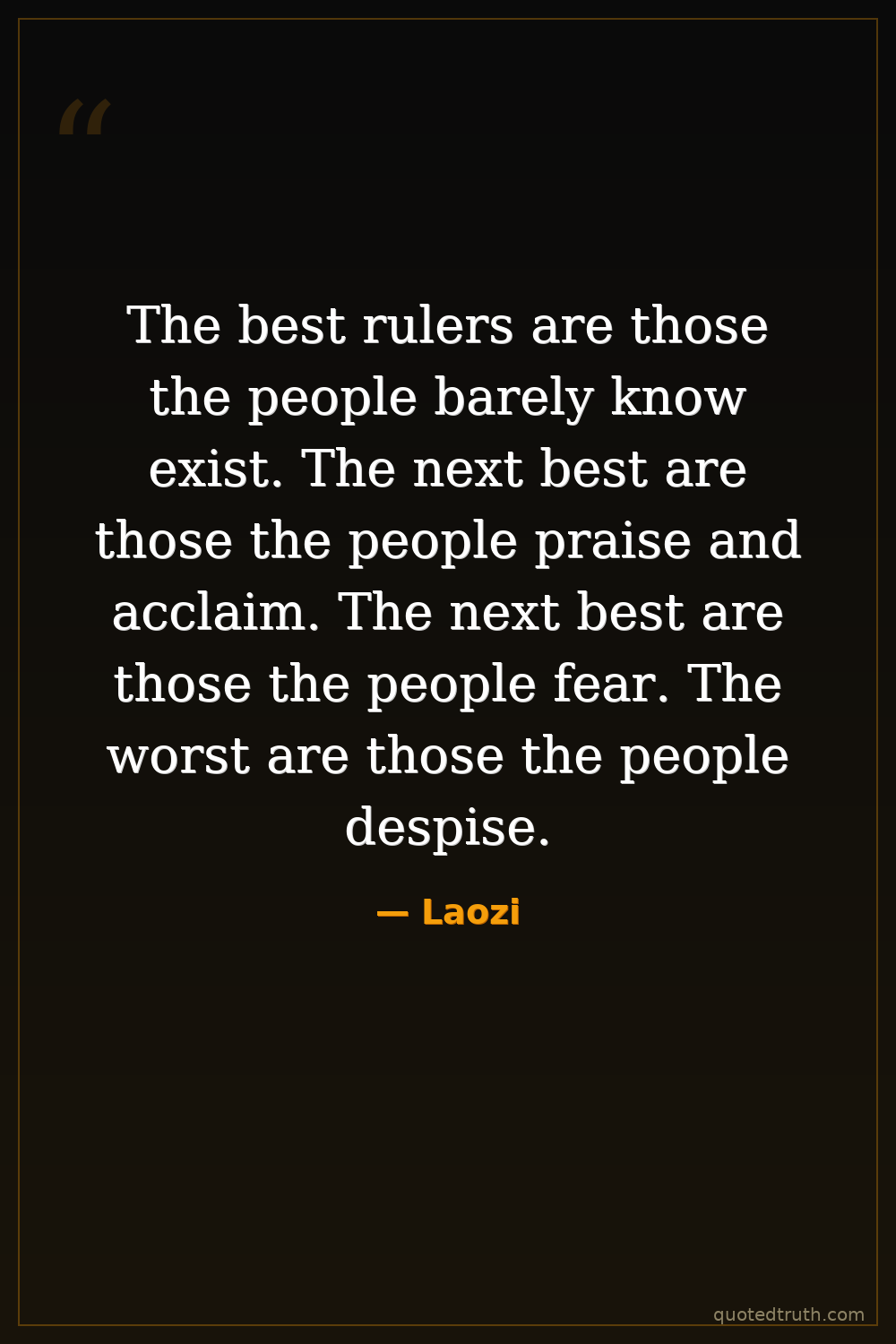
Great leadership is invisible because it works with natural flow rather than against it. When a ruler governs wisely, problems get solved before they escalate and citizens feel they accomplished things themselves. Praised leaders rely on charisma, feared leaders rely on punishment, and despised leaders have lost all legitimacy. The hierarchy measures interference: the less a leader imposes their will, the more effective they are.
Relevance to Laozi
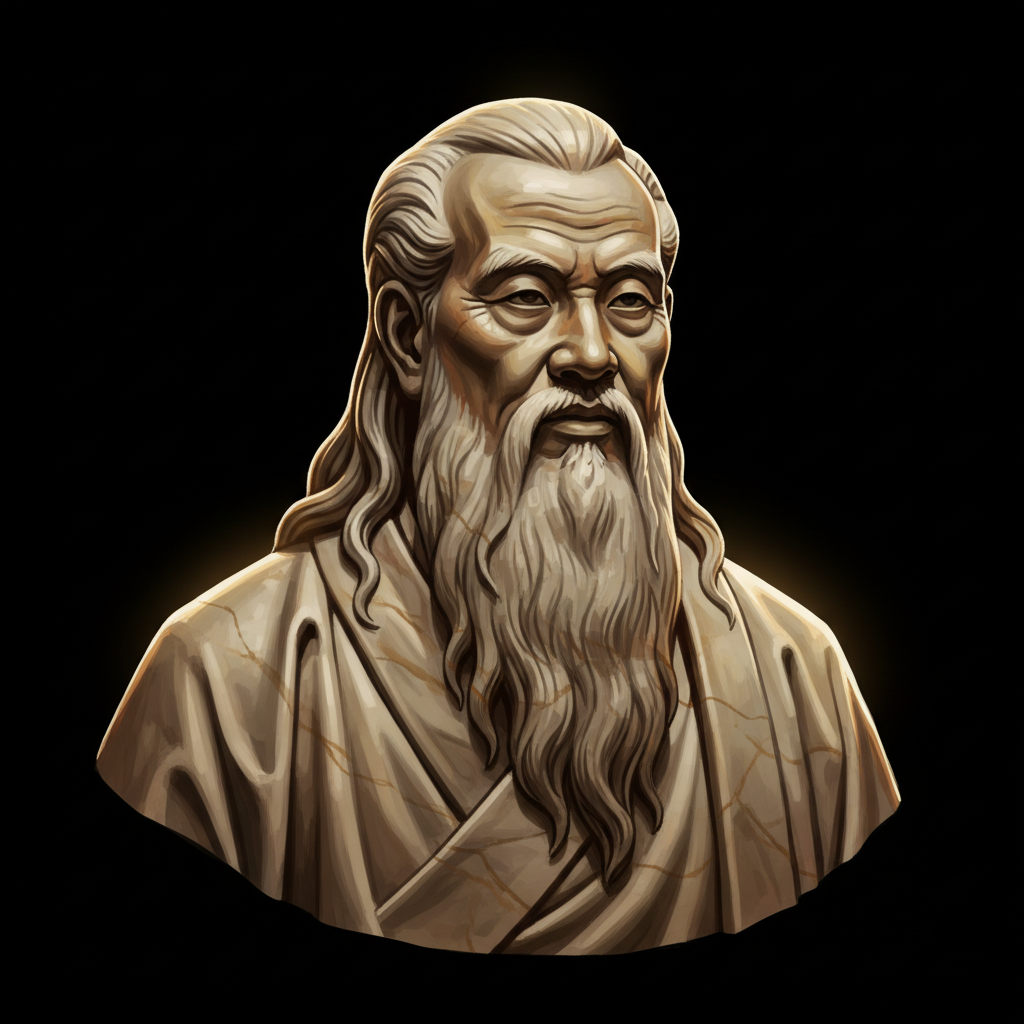
Laozi served as a royal archivist in the Zhou court, observing countless rulers rise and fall through record-keeping. This vantage shaped his core teaching of wu wei, effortless action aligned with the Tao. He reportedly grew disillusioned with court politics and left civilization entirely, writing the Tao Te Ching at a border pass. His ranking of rulers distills a lifetime of watching ambitious governance produce chaos while restraint produced order.
The era
Laozi lived during the late Zhou dynasty as central authority crumbled into the Warring States period. Rival lords competed through heavy taxation, conscription, moralistic Confucian reforms, and Legalist surveillance states. Ordinary people suffered constant warfare and bureaucratic intrusion. Against this backdrop of activist, interventionist rulers competing for glory, Laozi's praise of the unnoticed sovereign was a direct rebuke to the era's assumption that more governance, more virtue signaling, and more control produced a better kingdom.
AI-generated insights based on extensive research and information for context. Factual errors? Email [email protected].