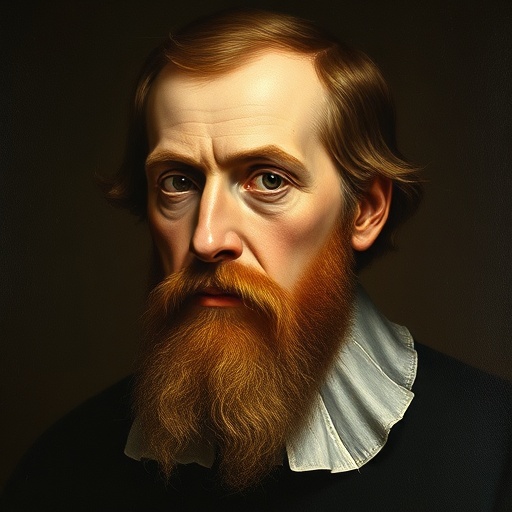
John Calvin — "The elect alone are endued with the knowledge of God, and the illumination of th…"
The elect alone are endued with the knowledge of God, and the illumination of the Holy Spirit.
The elect alone are endued with the knowledge of God, and the illumination of the Holy Spirit.
Click any product to generate a realistic preview. Up to 3 at a time.
* Initial load can take up to 90 seconds — revising the preview in another color is nearly instant.
"The reprobate are not able to believe, because God does not give them the gift of faith."
"The knowledge of God without the knowledge of ourselves is vain."
"For the mind of man, when it has once been infected with this pest, is so utterly perverse that it is with difficulty restrained from framing for itself, after the example of the devil, some new and u…"
"The eternal counsel of God is the cause of election and reprobation."
"God will not suffer his truth to be obscured, but will always raise up some to maintain it."
French theologian whose Institutes of the Christian Religion (1536) systematized Protestant Reformed doctrine, including predestination. Closely associated with Martin Luther (Reformation founder, Calvin's predecessor). For an intellectual contrast, see Jacobus Arminius, Dutch Reformed theologian (1560-1609) — Arminius's rejection of strict double-predestination founded Arminianism — the theological tradition modern Methodism, most evangelicalism, and Pentecostalism descend from. The Calvinist-Arminian debate has divided Protestantism for 400 years.
Found in 1 providers: grok
1 source checked
Only those whom God has chosen for salvation — the elect — truly understand God and receive the Holy Spirit's inner illumination. Spiritual knowledge isn't something anyone can earn, study toward, or decide to obtain. It's a gift distributed solely by divine choice. No amount of human effort, religious practice, or intellectual striving grants genuine knowledge of God; that understanding belongs exclusively to those predestined to receive it.
Calvin's doctrine of predestination — that God eternally elects some for salvation while passing over others — is the cornerstone of his Institutes of the Christian Religion (1536). As Geneva's dominant theological authority, he built Reformed Christianity around God's absolute sovereignty. This quote captures his lifelong insistence that saving grace and spiritual insight are God's unilateral acts, not human achievements, sharply distinguishing Calvinist theology from any tradition granting humans cooperative agency in salvation.
The Protestant Reformation shattered the Catholic Church's monopoly on spiritual mediation, but left open fierce debates about grace, free will, and who possessed genuine spiritual authority. Calvin wrote amid the Council of Trent (1545–1563), which reasserted Catholic teaching on human cooperation with grace. His insistence that only the elect receive true illumination directly challenged both Catholic sacramentalism and Anabaptist claims of universal spiritual access, staking out a radical divine-sovereignty position in an era redefining Christianity's foundations.
AI-generated insights based on extensive research and information for context. Factual errors? Email [email protected].
Your cart is empty