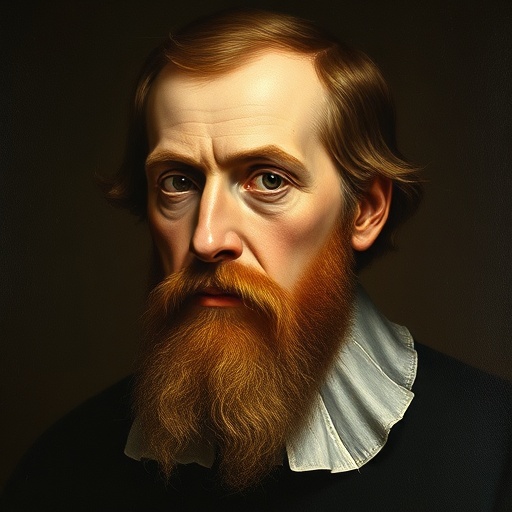
John Calvin — "The fear of the Lord is the beginning of wisdom."
The fear of the Lord is the beginning of wisdom.
The fear of the Lord is the beginning of wisdom.
Click any product to generate a realistic preview. Up to 3 at a time.
* Initial load can take up to 90 seconds — revising the preview in another color is nearly instant.
"We are debtors to God, and can never pay the debt."
"The natural gifts were corrupted in man through sin, but his supernatural gifts were stripped from him."
"The reprobate are created for the purpose of being destroyed."
"The greater part of the world, because it despises the Word of God, despises also the whole of true religion."
"The whole sum of Christian philosophy is contained in these two points: the knowledge of God and of ourselves."
French theologian whose Institutes of the Christian Religion (1536) systematized Protestant Reformed doctrine, including predestination. Closely associated with Martin Luther (Reformation founder, Calvin's predecessor). For an intellectual contrast, see Jacobus Arminius, Dutch Reformed theologian (1560-1609) — Arminius's rejection of strict double-predestination founded Arminianism — the theological tradition modern Methodism, most evangelicalism, and Pentecostalism descend from. The Calvinist-Arminian debate has divided Protestantism for 400 years.
Found in 1 providers: grok
1 source checked
True wisdom does not begin with human intellect, education, or reason alone. It starts with reverent awe before God—acknowledging his absolute authority over all reality. 'Fear' here means not terror but deep submission and respect. Without that foundational posture toward the divine, all human knowledge remains disordered and ultimately hollow. Wisdom is inseparable from right relationship with God, who is its source and standard.
Calvin's entire theological system rested on God's absolute sovereignty. His Institutes of the Christian Religion argued that human reason, corrupted by Adam's fall, produces only distorted understanding apart from divine revelation. Calvin's restructuring of Geneva, his doctrine of predestination, and his insistence on Scripture as the sole authority all flowed from this conviction: human wisdom is legitimate only when rooted in submission to God's revealed will.
The 16th-century Reformation collided directly with Renaissance humanism's confidence in unaided human reason. Erasmus and others elevated classical learning; Calvin and Luther insisted the Fall had corrupted human intellect. The printing press amplified this conflict, spreading competing claims about where knowledge and authority originated. As Catholic institutional authority crumbled, Reformers urgently needed a new epistemological foundation—divine revelation and God-fearing reason replaced papal tradition as the anchor of truth.
AI-generated insights based on extensive research and information for context. Factual errors? Email [email protected].
Your cart is empty