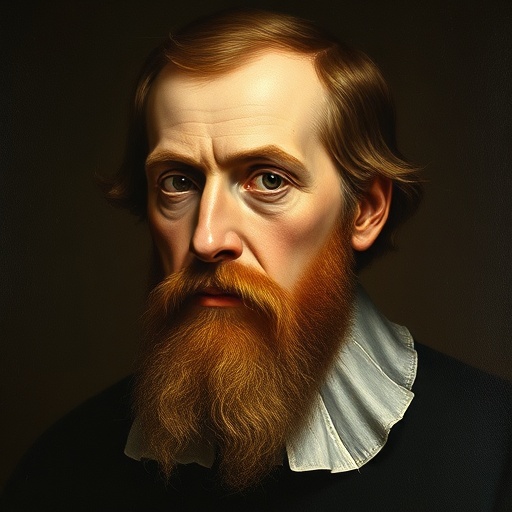
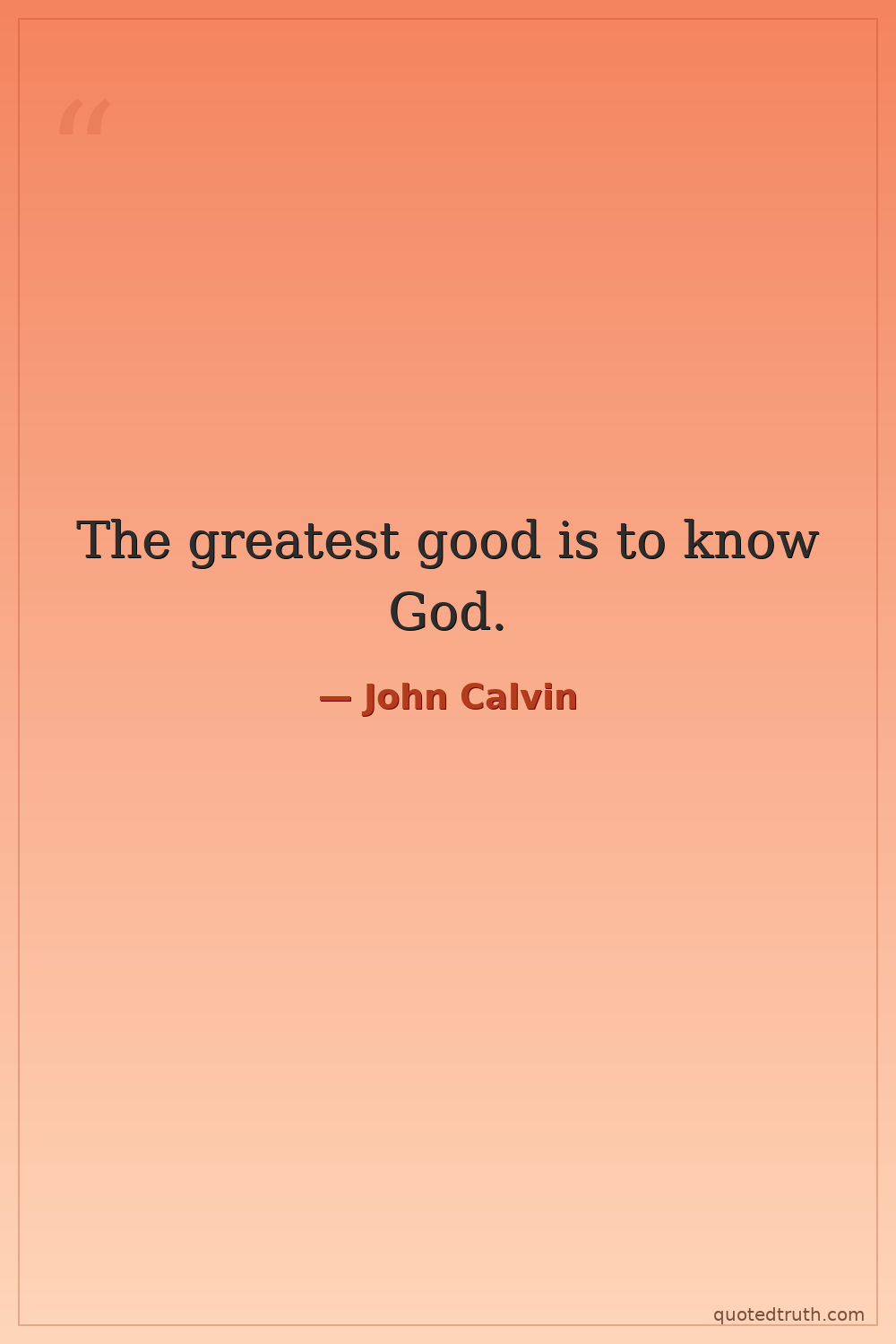
John Calvin — "The greatest good is to know God."
The greatest good is to know God.
The greatest good is to know God.
Click any product to generate a realistic preview. Up to 3 at a time.
* Initial load can take up to 90 seconds — revising the preview in another color is nearly instant.
"The fear of the Lord is the beginning of wisdom."
"The reprobate are blinded that they may not see, and hardened that they may not feel."
"We are not our own; we are God's."
"The wicked are justly punished, because they have offended God by their sins."
"All events are governed by God's secret plan."
French theologian whose Institutes of the Christian Religion (1536) systematized Protestant Reformed doctrine, including predestination. Closely associated with Martin Luther (Reformation founder, Calvin's predecessor). For an intellectual contrast, see Jacobus Arminius, Dutch Reformed theologian (1560-1609) — Arminius's rejection of strict double-predestination founded Arminianism — the theological tradition modern Methodism, most evangelicalism, and Pentecostalism descend from. The Calvinist-Arminian debate has divided Protestantism for 400 years.
Found in 1 providers: grok
1 source checked
Knowing God represents the highest achievement a human life can reach — not wealth, power, or pleasure, but genuine understanding of and relationship with the divine. This claim reorders all human priorities: if knowing God is the greatest good, then theology, worship, and scripture study matter more than worldly success. It directly challenges secular and material definitions of the good life, asserting that ultimate fulfillment is spiritual, not earthly.
Calvin spent his life systematizing Protestant theology around exactly this conviction. His masterwork, Institutes of the Christian Religion, opens by arguing that true wisdom begins with knowing God and knowing oneself. He restructured Geneva's church to make Scripture — the primary vehicle for knowing God — central to all worship and civic life. His doctrine of divine sovereignty flows from this: God's nature must be understood correctly, undistorted by corrupt tradition or unaided human reason.
Calvin lived during the Protestant Reformation, when Europe fractured over who held authority to define Christian truth. The printing press had democratized Scripture, enabling believers to encounter God directly. The Catholic Church's mediated access to God through priests and sacraments faced fierce challenge. Simultaneously, Renaissance humanism elevated human reason and earthly achievement. Calvin's assertion that knowing God outranks all earthly goods countered both ecclesiastical corruption and the humanist redefinition of the highest human purpose.
AI-generated insights based on extensive research and information for context. Factual errors? Email [email protected].
Your cart is empty