John Calvin — "The mind of man is a perpetual forge of idols."
The mind of man is a perpetual forge of idols.
The mind of man is a perpetual forge of idols.
Click any product to generate a realistic preview. Up to 3 at a time.
* Initial load can take up to 90 seconds — revising the preview in another color is nearly instant.
"All are not created on equal terms, but some are preordained to eternal life, others to eternal damnation."
"We are debtors to God, and can never pay the debt."
"The greatest good is to know God."
"The reprobate are not able to believe, because God does not give them the gift of faith."
"We are not called to be popular, but to be faithful."
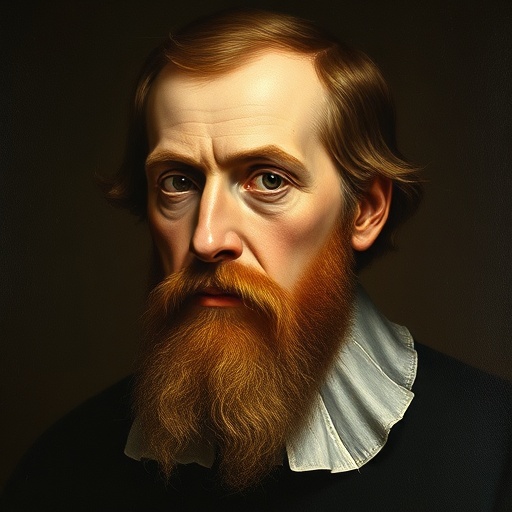
French theologian whose Institutes of the Christian Religion (1536) systematized Protestant Reformed doctrine, including predestination. Closely associated with Martin Luther (Reformation founder, Calvin's predecessor). For an intellectual contrast, see Jacobus Arminius, Dutch Reformed theologian (1560-1609) — Arminius's rejection of strict double-predestination founded Arminianism — the theological tradition modern Methodism, most evangelicalism, and Pentecostalism descend from. The Calvinist-Arminian debate has divided Protestantism for 400 years.
Found in 1 providers: grok
1 source checked
The human mind, left to itself, ceaselessly manufactures false objects of worship — whether carved statues, abstract ideas, money, power, or self. "Forge" implies relentless, industrial production; "perpetual" means it never stops. Humans cannot help but redirect their innate drive to revere something toward substitutes for the true divine. The quote argues that idolatry is not an ancient failure but a permanent feature of the unreformed human mind.
Calvin's doctrine of Total Depravity — that sin corrupts every human faculty — made this conviction foundational. His Institutes of the Christian Religion (1536) argued humans possess a "sense of divinity" they inevitably pervert into idol-worship. He reformed Geneva by stripping churches of images, relics, and saint veneration he called idolatry. His lifelong battle against Catholic sacramental objects reflected his belief that corrupted minds manufacture false worship automatically, without external encouragement.
The sixteenth-century Reformation fractured Western Christianity over precisely this charge. Protestants accused Rome of institutionalized idolatry — saints' relics, devotional images, purchased indulgences — while Catholics defended sacred tradition. Iconoclasm swept Reformed territories; rioters destroyed church art across Switzerland, France, and the Netherlands. Meanwhile, Renaissance humanism elevated human reason as a near-divine faculty. Calvin's remark struck at both fronts: Catholic ceremonialism and humanist self-confidence were, to him, equally products of the idol-forging mind.
AI-generated insights based on extensive research and information for context. Factual errors? Email [email protected].
Your cart is empty