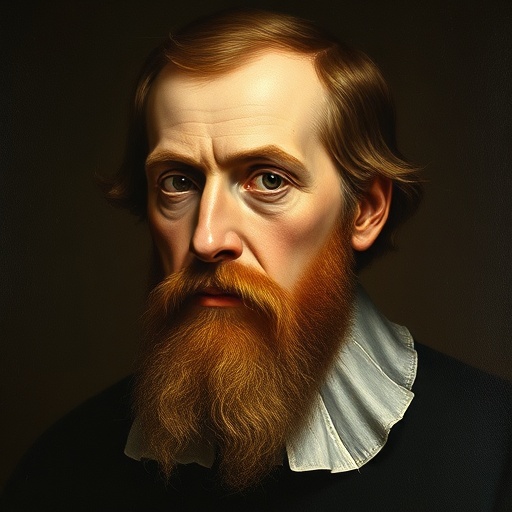
John Calvin — "All are not created on equal terms, but some are preordained to eternal life, ot…"
All are not created on equal terms, but some are preordained to eternal life, others to eternal damnation.
All are not created on equal terms, but some are preordained to eternal life, others to eternal damnation.
Click any product to generate a realistic preview. Up to 3 at a time.
* Initial load can take up to 90 seconds — revising the preview in another color is nearly instant.
"The elect are called according to God's purpose, not according to their own merits."
"The reason why some are saved and others perish is not to be sought in their own will, but in the secret counsel of God."
"God will not suffer that one of his children should be lost."
"Ignorance of predestination is a great evil, because it deprives us of the knowledge of God's glory."
"The elect are chosen before the foundation of the world."
French theologian whose Institutes of the Christian Religion (1536) systematized Protestant Reformed doctrine, including predestination. Closely associated with Martin Luther (Reformation founder, Calvin's predecessor). For an intellectual contrast, see Jacobus Arminius, Dutch Reformed theologian (1560-1609) — Arminius's rejection of strict double-predestination founded Arminianism — the theological tradition modern Methodism, most evangelicalism, and Pentecostalism descend from. The Calvinist-Arminian debate has divided Protestantism for 400 years.
Found in 1 providers: deepseek
1 source checked
God decided before creation which people will receive eternal salvation and which will face eternal damnation—not based on their choices, deeds, or faith, but purely on divine will. Human effort cannot alter this predetermined outcome. The 'elect' are saved regardless of their actions, the 'reprobate' damned regardless of theirs. This removes human agency from salvation entirely, placing absolute control in God's hands.
Calvin built his entire theological system around God's absolute sovereignty. Based in Geneva from 1541, he codified double predestination in his Institutes of the Christian Religion, defending it fiercely against critics like Jerome Bolsec, whom he had expelled. A trained lawyer turned pastor, Calvin's precise systematic mind demanded logical consistency: if God is omniscient and omnipotent, human fate must be predetermined. This doctrine became the defining marker of Reformed Calvinist churches worldwide.
The 16th-century Reformation shattered medieval Christianity's consensus that salvation required church sacraments and personal merit. Luther's break from Rome opened theological space to reimagine grace entirely. Calvin wrote during intense religious warfare and doctrinal combat, when every claim about salvation carried political and mortal stakes. His predestination doctrine directly challenged free-will theology, provoked Catholic counter-reformers at the Council of Trent, and split Protestant movements, reshaping European politics for centuries.
AI-generated insights based on extensive research and information for context. Factual errors? Email [email protected].
Your cart is empty