What it means
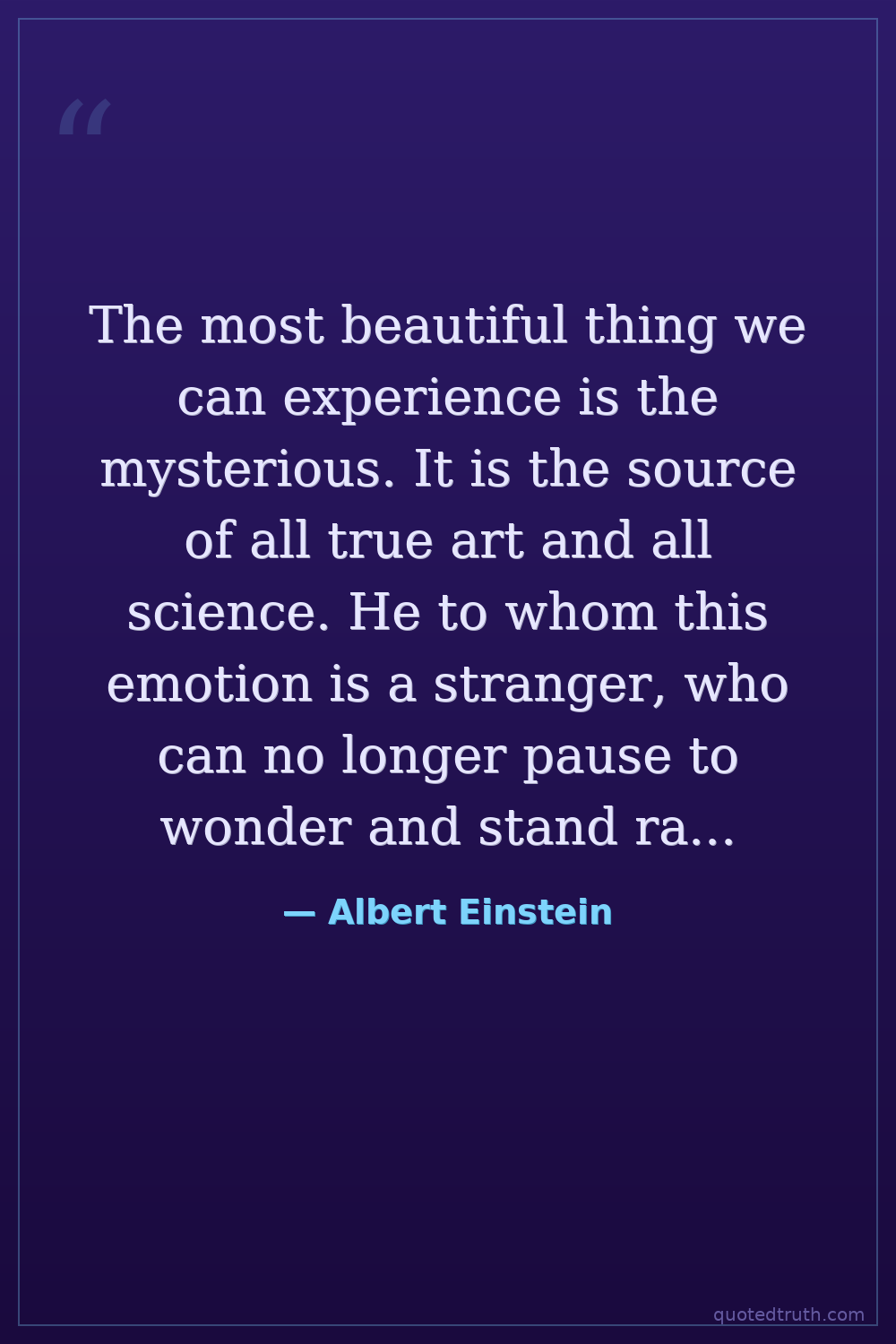
Wonder and mystery are the engines of human creativity and discovery. Without the capacity to feel awe at what we don't yet understand, a person loses the curiosity that makes life meaningful. Closed to mystery, they're intellectually and spiritually inert — alive in body but dead to the deeper currents of experience that drive art and scientific understanding forward.
Relevance to Albert Einstein
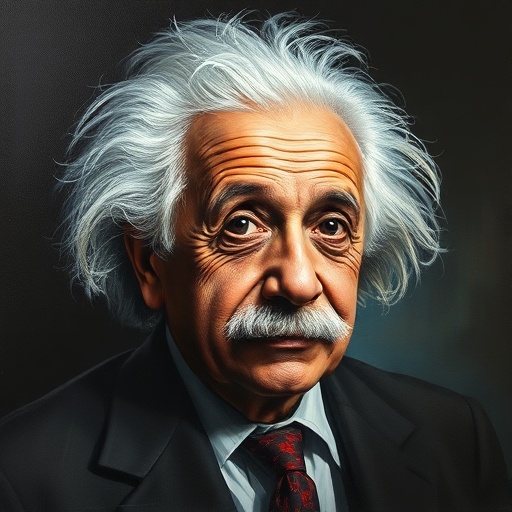
Einstein spent his life chasing the universe's deepest mysteries — relativity, quantum mechanics, unified field theory. He famously said imagination mattered more than knowledge. His thought experiments began not with equations but with wonder: what would it feel like to ride a light beam? His reverence for mystery was not poetic decoration but the actual psychological engine behind his physics.
The era
Einstein wrote this in the early 20th century, an era of radical scientific upheaval — quantum mechanics and relativity were dismantling classical certainty. Simultaneously, industrialization and rationalist positivism threatened to reduce existence to pure mechanism. Einstein's insistence on mystery as a virtue pushed back against the era's tendency to treat science as complete mastery rather than endless, humbling exploration.
AI-generated insights based on extensive research and information for context. Factual errors? Email [email protected].