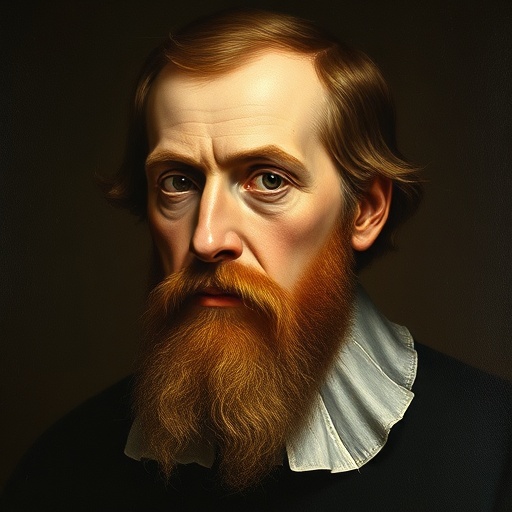
John Calvin — "There is no other way to be saved than by the grace of God."
There is no other way to be saved than by the grace of God.
There is no other way to be saved than by the grace of God.
Click any product to generate a realistic preview. Up to 3 at a time.
* Initial load can take up to 90 seconds — revising the preview in another color is nearly instant.
"The most perfect way of worshiping God is to live a holy life."
"The greater the sinner, the greater the need for God's grace."
"The reprobate are vessels of wrath fitted for destruction."
"The elect are called according to God's purpose, not according to their own merits."
"He who has God for his father has the church for his mother."
French theologian whose Institutes of the Christian Religion (1536) systematized Protestant Reformed doctrine, including predestination. Closely associated with Martin Luther (Reformation founder, Calvin's predecessor). For an intellectual contrast, see Jacobus Arminius, Dutch Reformed theologian (1560-1609) — Arminius's rejection of strict double-predestination founded Arminianism — the theological tradition modern Methodism, most evangelicalism, and Pentecostalism descend from. The Calvinist-Arminian debate has divided Protestantism for 400 years.
Found in 1 providers: grok
1 source checked
Salvation cannot be earned through good works, rituals, or human effort — it comes solely from God's undeserved favor given freely. No moral striving or religious practice can secure it. This is the doctrine of grace alone: human beings are spiritually powerless to rescue themselves, and only God's sovereign act of mercy makes eternal life possible. Human merit plays absolutely zero role in the outcome.
Calvin built his entire Reformed theological system around God's absolute sovereignty, culminating in his doctrine of predestination — that God elects some for salvation entirely by his own will. In Geneva he restructured church governance and wrote the Institutes of the Christian Religion to systematize this grace-centered theology. Having broken from Catholicism's merit-based sacramental system, Calvin staked his life's work on the conviction that God alone, never human effort, determines salvation.
The 16th-century Reformation exploded over precisely this question. The Catholic Church sold indulgences and taught that salvation required sacraments, penance, and accumulated merit — Luther and Calvin declared this corrupt. Calvin worked in Geneva during the 1540s–60s as the Council of Trent formally condemned Protestant grace-alone doctrine. Religious wars tore France, Germany, and the Netherlands apart. Whether grace or works saves a person was the defining political and spiritual fault line of the entire age.
AI-generated insights based on extensive research and information for context. Factual errors? Email [email protected].
Your cart is empty