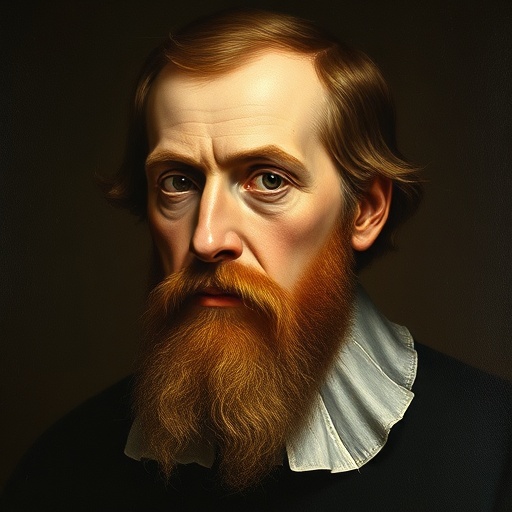
John Calvin — "The reprobate are those whom God has determined to leave in their sins, and cons…"
The reprobate are those whom God has determined to leave in their sins, and consequently to deliver to eternal perdition.
The reprobate are those whom God has determined to leave in their sins, and consequently to deliver to eternal perdition.
Click any product to generate a realistic preview. Up to 3 at a time.
* Initial load can take up to 90 seconds — revising the preview in another color is nearly instant.
"When God chooses a man, he does not consider what he is, but what he will make him."
"For I stay not to consider the extravagance of those who say that grace is offered equally and promiscuously to all."
"The most perfect way of worshiping God is to live a holy life."
"The reprobate are often endued with excellent gifts, but these are given them, not for their salvation, but for their condemnation."
"The reprobate are blinded that they may not see, and hardened that they may not feel."
French theologian whose Institutes of the Christian Religion (1536) systematized Protestant Reformed doctrine, including predestination. Closely associated with Martin Luther (Reformation founder, Calvin's predecessor). For an intellectual contrast, see Jacobus Arminius, Dutch Reformed theologian (1560-1609) — Arminius's rejection of strict double-predestination founded Arminianism — the theological tradition modern Methodism, most evangelicalism, and Pentecostalism descend from. The Calvinist-Arminian debate has divided Protestantism for 400 years.
Found in 1 providers: gemini
1 source checked
Some people are destined by God to remain trapped in sin and ultimately face eternal damnation. God actively chooses not to rescue them, allowing their natural sinful state to run its course. This is not about God making them sinful, but about withholding the saving grace that would pull them out. Their final destination of everlasting punishment is the direct result of this divine decision to let them continue as they are.
Calvin built his entire theological system around divine sovereignty, and this statement expresses his doctrine of double predestination head-on. As the architect of Reformed theology in Geneva, he insisted God actively chooses both the saved and the damned. His Institutes of the Christian Religion systematized this view, which distinguished him sharply from Luther and Catholic theologians. Calvin believed acknowledging reprobation honored God's absolute authority over human destiny, even when it unsettled believers.
The early modern Reformation era was consumed with questions about salvation, grace, and human agency after Luther's 1517 break with Rome. Catholics emphasized free will cooperating with grace, while reformers stressed God's initiative. Calvin wrote during the 1530s-1560s when Geneva became a Protestant refuge and theological laboratory. Printing presses spread these debates across Europe, fueling religious wars. Predestination offered terrified believers certainty about salvation while also raising disturbing questions about divine justice.
AI-generated insights based on extensive research and information for context. Factual errors? Email [email protected].
Your cart is empty