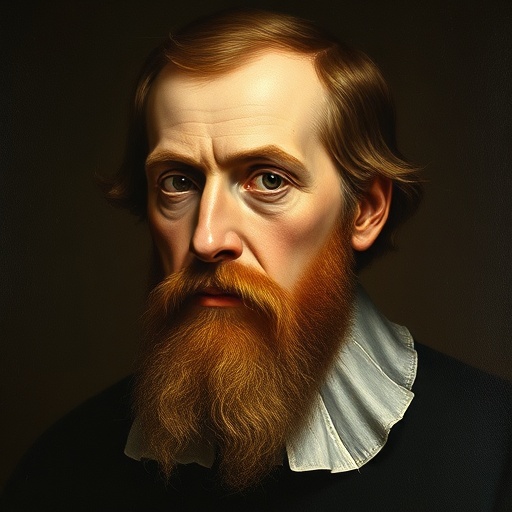
John Calvin — "The reprobate are without excuse, because the knowledge of God is sufficiently m…"
The reprobate are without excuse, because the knowledge of God is sufficiently manifested to them, though they reject it.
The reprobate are without excuse, because the knowledge of God is sufficiently manifested to them, though they reject it.
Click any product to generate a realistic preview. Up to 3 at a time.
* Initial load can take up to 90 seconds — revising the preview in another color is nearly instant.
"When God chooses a man, he does not consider what he is, but what he will make him."
"For the mind of man is so entirely alienated from the righteousness of God that it can neither conceive, desire, nor design anything but what is vicious, perverted, impure, and iniquitous."
"The perdition of the wicked is a manifestation of God's justice."
"God never abandons his own."
"The eternal counsel of God is the cause of election and reprobation."
French theologian whose Institutes of the Christian Religion (1536) systematized Protestant Reformed doctrine, including predestination. Closely associated with Martin Luther (Reformation founder, Calvin's predecessor). For an intellectual contrast, see Jacobus Arminius, Dutch Reformed theologian (1560-1609) — Arminius's rejection of strict double-predestination founded Arminianism — the theological tradition modern Methodism, most evangelicalism, and Pentecostalism descend from. The Calvinist-Arminian debate has divided Protestantism for 400 years.
Found in 1 providers: grok
1 source checked
Even those condemned to damnation — the reprobate — cannot claim they never had a chance to know God. Calvin argues that God reveals himself clearly through creation, reason, and conscience, making his existence undeniable. The problem isn't insufficient evidence; it's willful rejection. No one stands before judgment able to plead ignorance. The condemned knew enough; they chose to turn away, and that choice strips them of any excuse.
Calvin's entire theological project centered on God's absolute sovereignty, including double predestination — God elects some to salvation and passes over the rest. His Institutes of the Christian Religion, written from Geneva where he built a Reformed theocracy, systematically argues that general revelation makes God undeniable. Calvin never wavered despite fierce opposition, embodying the belief that truth is plain and rejection of it is inexcusable, not innocent.
The 16th-century Reformation shattered Western Christianity's unity. As Luther, Calvin, and Zwingli challenged Rome, the question of salvation — who is saved and how — became existentially urgent amid religious wars, executions, and mass upheaval. Calvin wrote when the printing press spread competing theologies rapidly and death from plague or violence was constant. Defining why the reprobate are accountable, not merely unlucky, was essential to defending Reformed theology's justice against Catholic critics.
AI-generated insights based on extensive research and information for context. Factual errors? Email [email protected].
Your cart is empty