What it means
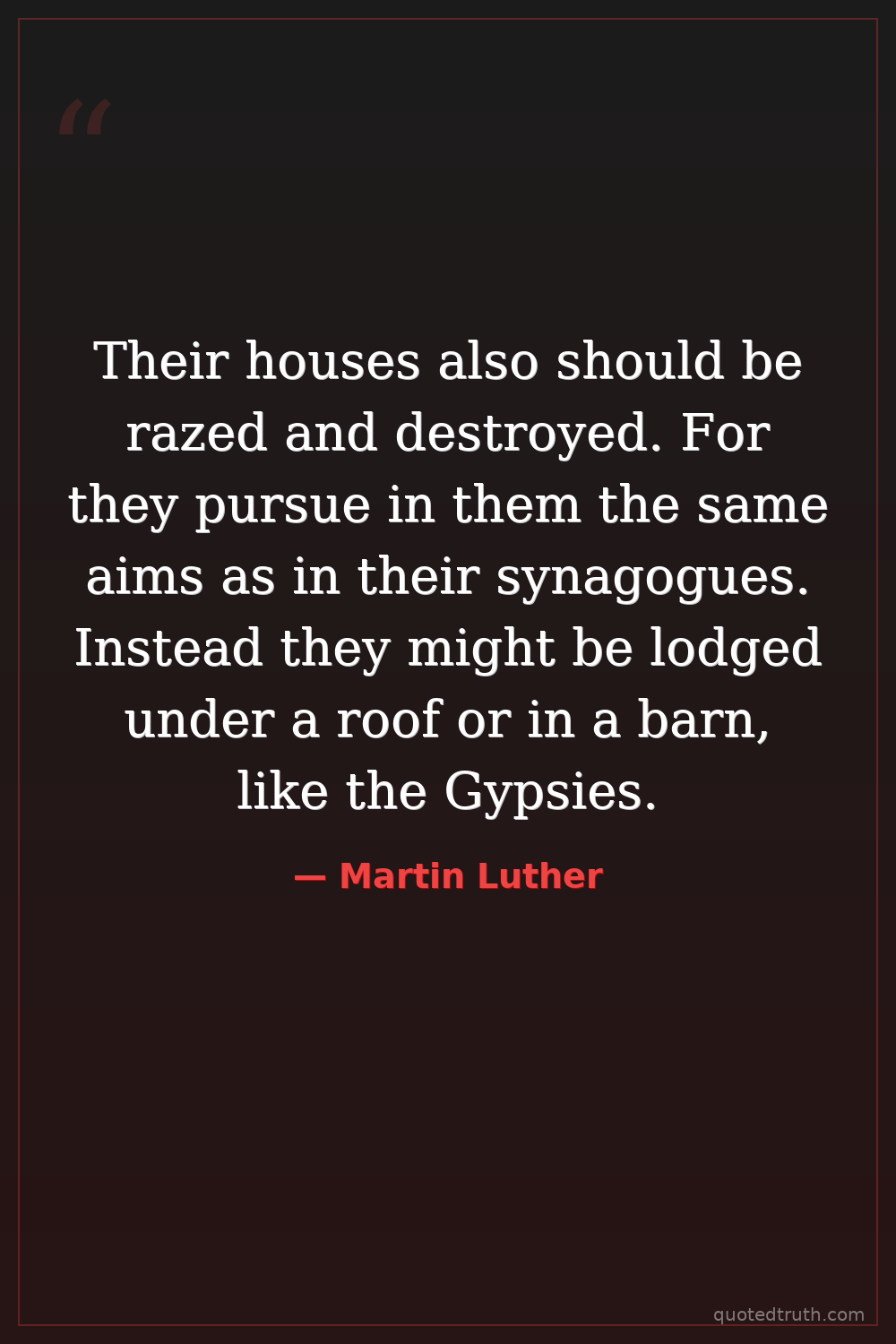
This passage calls for destroying Jewish homes because, the author claims, Jews use them for the same religious purposes as synagogues. It suggests forcing them into barns or shelters like those used by the Romani people, treating them as outcasts without permanent housing. It is a demand to strip a religious minority of property, dignity, and any settled place in society.
Relevance to Martin Luther
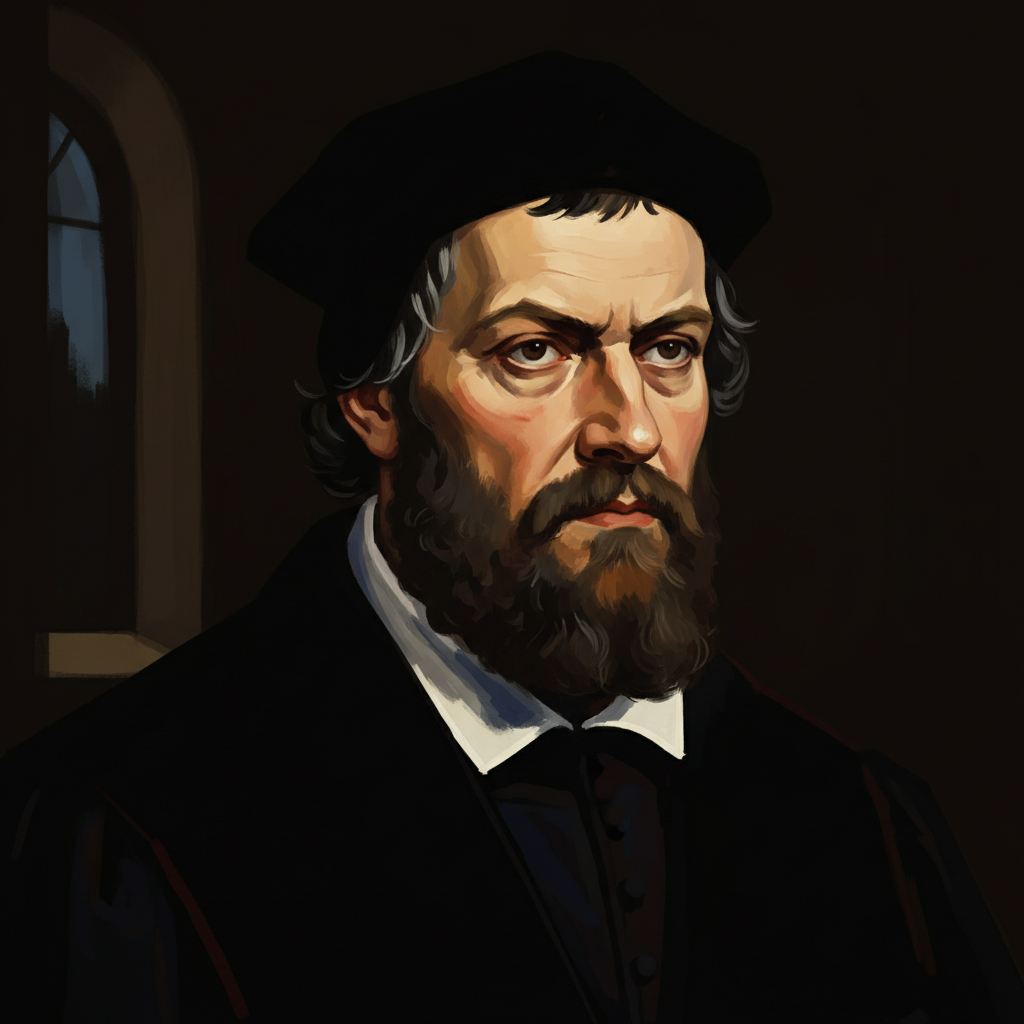
Luther wrote this in his 1543 treatise On the Jews and Their Lies, late in life after Jews refused to convert to his reformed Christianity. Once relatively tolerant, he turned bitterly hostile, urging princes to burn synagogues, seize Jewish books, and expel communities. The passage reveals the harsh, polemical side of the reformer whose theology reshaped Christianity but whose anti-Jewish writings were later cited by German antisemites, including the Nazis.
The era
In 1543 Germany, Jews lived under constant precarity, often expelled from cities and confined to specific trades. The Reformation had shattered Christian unity, and Luther expected Jews to embrace his purified gospel. When they did not, frustration fused with medieval blood-libel traditions and economic resentment. Princes routinely debated expulsion; some acted on Luther's recommendations within years, foreshadowing centuries of state-sanctioned persecution across Central Europe.
AI-generated insights based on extensive research and information for context. Factual errors? Email [email protected].