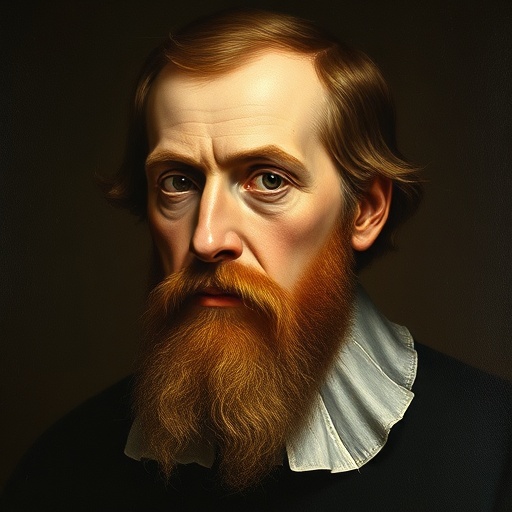
John Calvin — "The reprobate are vessels of wrath fitted for destruction."
The reprobate are vessels of wrath fitted for destruction.
The reprobate are vessels of wrath fitted for destruction.
Click any product to generate a realistic preview. Up to 3 at a time.
* Initial load can take up to 90 seconds — revising the preview in another color is nearly instant.
"Our salvation is assured, not by our own works, but by the election of God."
"The reprobate are left to their own wickedness, and are justly punished for it."
"The true worship of God consists in obeying him."
"God works in the hearts of men to incline their wills as he pleases."
"The reprobate are like hardened clay, which, the more it is baked, the harder it becomes."
French theologian whose Institutes of the Christian Religion (1536) systematized Protestant Reformed doctrine, including predestination. Closely associated with Martin Luther (Reformation founder, Calvin's predecessor). For an intellectual contrast, see Jacobus Arminius, Dutch Reformed theologian (1560-1609) — Arminius's rejection of strict double-predestination founded Arminianism — the theological tradition modern Methodism, most evangelicalism, and Pentecostalism descend from. The Calvinist-Arminian debate has divided Protestantism for 400 years.
Found in 1 providers: grok
1 source checked
Some people, Calvin argues, are predestined by God not for salvation but for punishment — they exist as instruments through which divine wrath and justice are made visible. Drawing directly from Romans 9:22, this asserts that God's absolute sovereignty includes ordaining certain souls for eternal damnation. It is not accidental or based on foreseen sin, but a deliberate divine decree establishing who belongs to the condemned category from eternity.
Calvin's doctrine of double predestination — that God elects some to salvation and condemns others before birth — was the theological cornerstone of his Institutes of the Christian Religion (1536–1559). Running Geneva as a near-theocracy, he expelled those he deemed spiritually unfit. His absolute conviction in God's sovereignty over human fate distinguished Calvinism from Lutheran and Catholic theology and shaped Reformed churches across Europe for centuries.
The Protestant Reformation of the 1500s dismantled Christianity's medieval unity. Luther had already challenged Catholic salvation theology, but Calvin pushed further, asserting God's absolute control over every soul's eternal fate. With the Council of Trent defending free will and merit-based salvation, and religious wars erupting across Europe, predestination was not academic — who was damned and who was saved determined political allegiance, community belonging, and existential identity.
AI-generated insights based on extensive research and information for context. Factual errors? Email [email protected].
Your cart is empty