What it means
Life is not a finished state of perfection but an ongoing journey of transformation. You are not supposed to already be righteous, healthy, or complete. Instead, you are in motion, being shaped and refined over time. Progress matters more than arrival. What looks unfinished or imperfect right now is actually the normal condition of being alive, moving forward, and gradually becoming who you are meant to be.
Relevance to Martin Luther
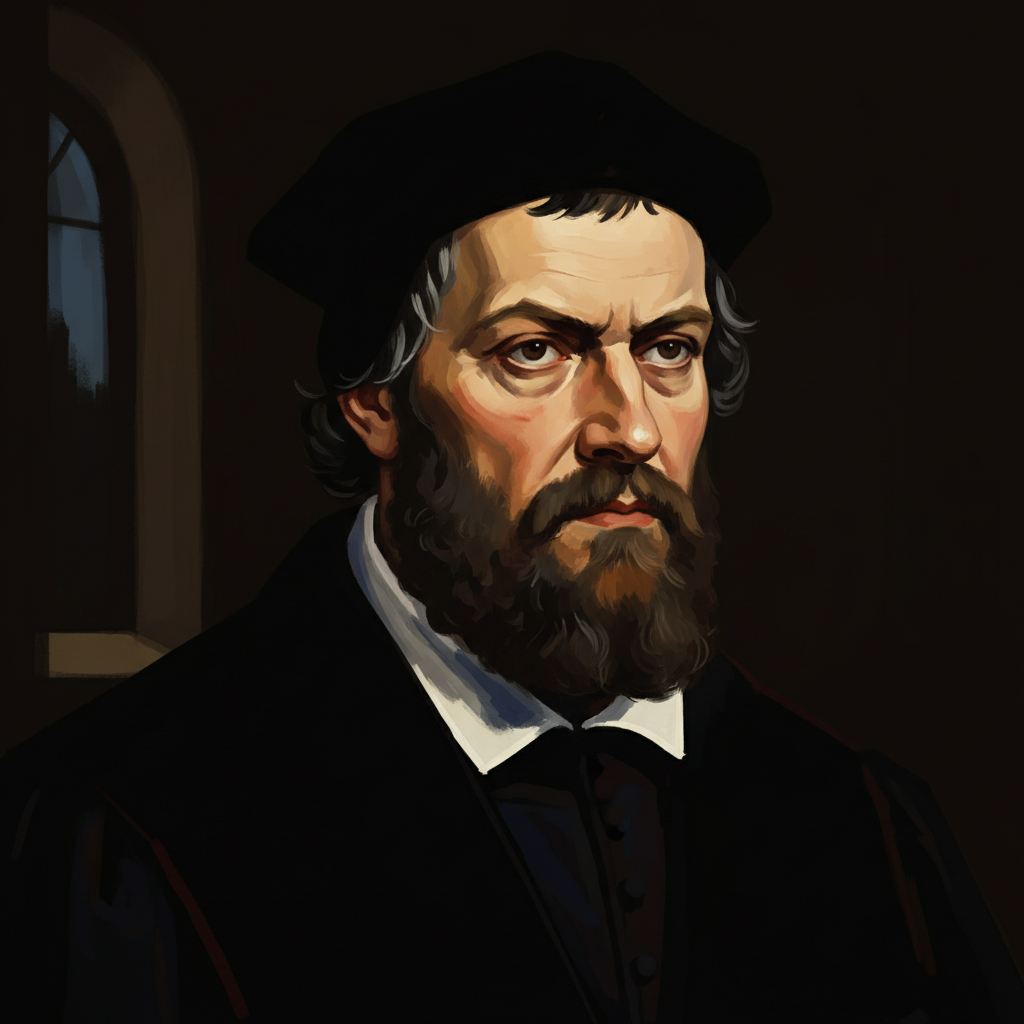
Luther built his theology around this exact idea. He rejected the notion that Christians earn salvation through accumulated good works or reach spiritual completion on earth. As a former Augustinian monk tormented by his own failures, he concluded that believers remain 'simul justus et peccator' (at once righteous and sinful), always in process. This passage captures his pastoral voice, reassuring ordinary people that spiritual struggle is the path, not a sign of failure.
The era
In early modern Europe, the medieval Catholic Church taught that salvation required sacraments, indulgences, and measurable penance, pushing people toward anxious spiritual bookkeeping. Luther's 1517 Ninety-Five Theses ignited the Reformation by challenging this system. Printing presses spread his writings across German-speaking lands, fueling religious upheaval, peasant revolts, and eventually the Thirty Years' War. Against that backdrop of institutional rigidity, his framing of faith as an unfinished road offered a radical, humane alternative to transactional religion.
AI-generated insights based on extensive research and information for context. Factual errors? Email [email protected].