Benjamin Franklin — "To be rich is to have many servants, to be poor is to have many masters."
To be rich is to have many servants, to be poor is to have many masters.
To be rich is to have many servants, to be poor is to have many masters.
Click any product to generate a realistic preview. Up to 3 at a time.
* Initial load can take up to 90 seconds — revising the preview in another color is nearly instant.
"He that doth much at once, doth little well."
"Save a penny every year and you shall die a millionaire."
"He that resolves to mend hereafter, resolves not to mend now."
"The greatest invention of the world is the invention of good bread."
"The sting of a reproach, is the truth of it."
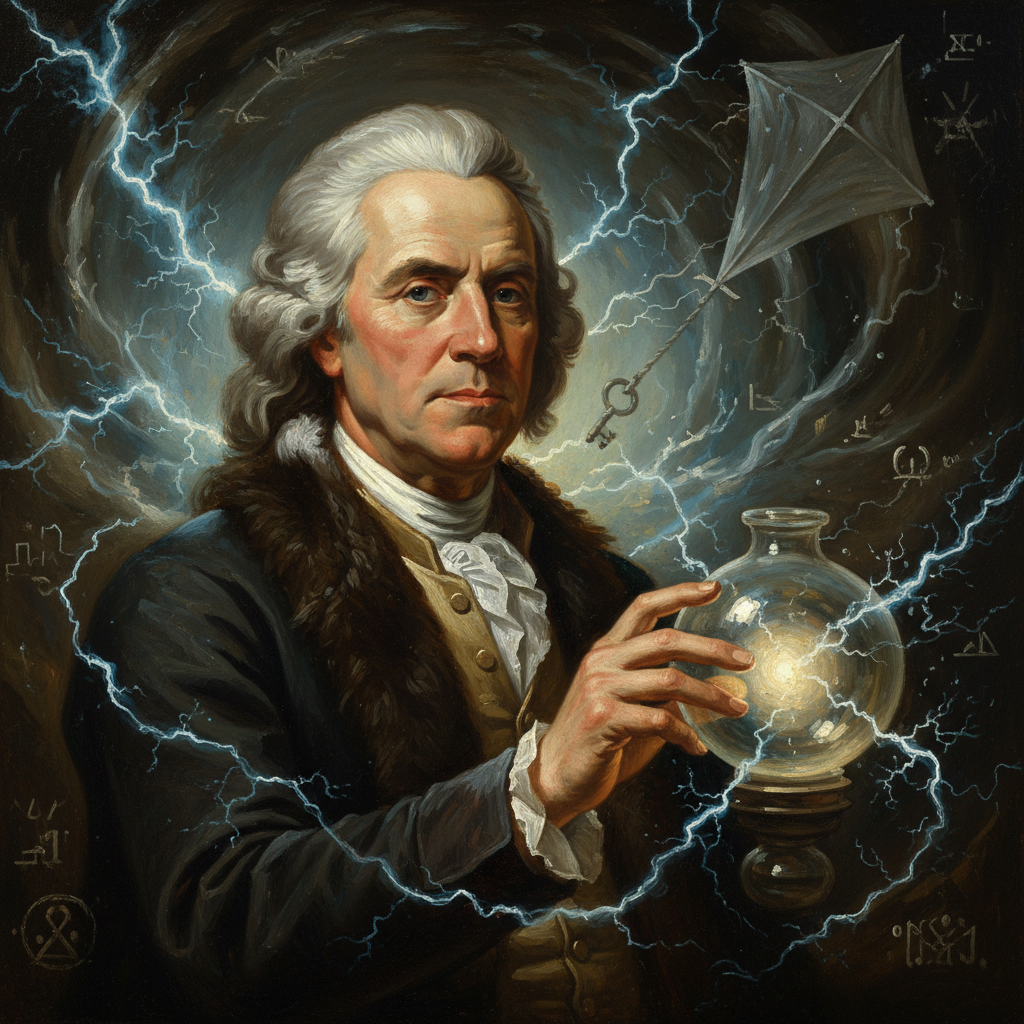
Polymath Founding Father, diplomat, and Poor Richard's Almanack author who helped draft the Declaration of Independence and the Constitution. Closely associated with John Adams (fellow Founder, Massachusetts statesman) and Thomas Jefferson (fellow Declaration drafter). For an intellectual contrast, see Thomas Hutchinson, last royal governor of colonial Massachusetts — Franklin leaked Hutchinson's loyalist correspondence to Boston in 1772 to inflame revolutionary sentiment — Hutchinson represented the colonial-aristocrat crown-loyalty that Franklin's revolution was organized to dismantle.
Found in 1 providers: grok
1 source checked
Wealth grants autonomy — when you're rich, others work at your direction. Poverty strips it away: creditors, landlords, and bosses each hold leverage over your choices. The quote reframes richness and poverty not as amounts of money but as degrees of freedom. Having many servants means your time and will are your own. Having many masters means your time and choices belong to whoever you owe.
Franklin climbed from the 15th of 17 children to self-made printer, inventor, and diplomat — he lived both sides of this equation. His Poor Richard's Almanack was filled with similar maxims about industry, thrift, and financial independence. As a young apprentice under his brother, he knew what it felt like to answer to masters. Achieving wealth later freed him to pursue science, politics, and diplomacy on his own terms.
In 18th-century colonial America, debt bondage, indentured servitude, and credit dependency were everyday realities. Colonists borrowed from British merchants and owed taxes to the Crown — economic masters as real as any employer. Mercantile policy kept colonies financially subordinate to Britain. The Enlightenment was elevating financial self-sufficiency as a civic virtue. Franklin's generation increasingly saw economic independence as inseparable from political liberty, a tension driving the coming revolution.
AI-generated insights based on extensive research and information for context. Factual errors? Email [email protected].
Your cart is empty