What it means
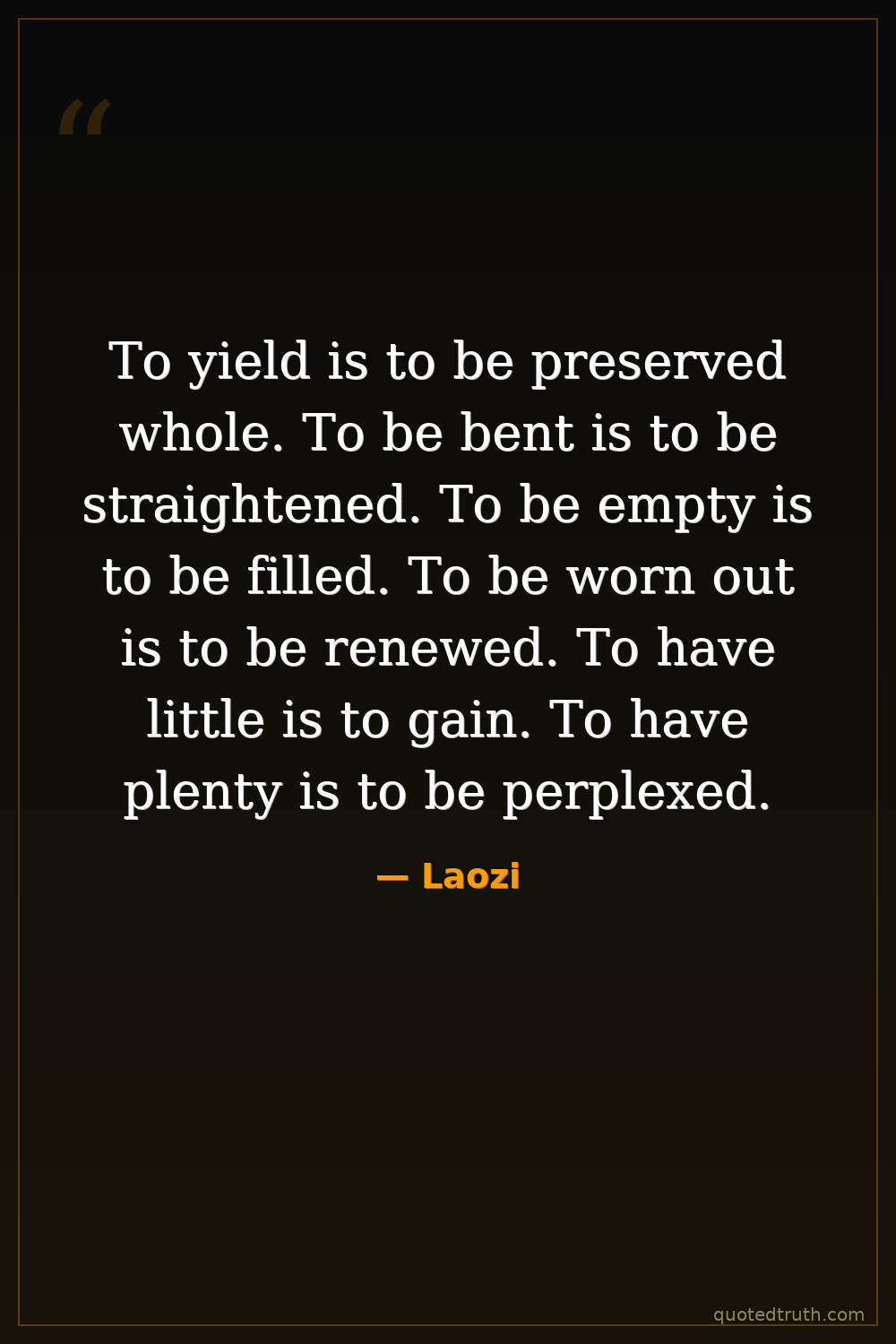
Embracing what seems weak or lacking often leads to greater strength and abundance. Yielding prevents breaking, emptiness leaves room to receive, and having less keeps you focused. Meanwhile, piling up possessions or rigidity brings confusion and loss. The passage flips conventional thinking: softness outlasts hardness, and lack can be an advantage. Real wholeness comes from accepting cycles of decline and renewal rather than forcing permanence or accumulation.
Relevance to Laozi
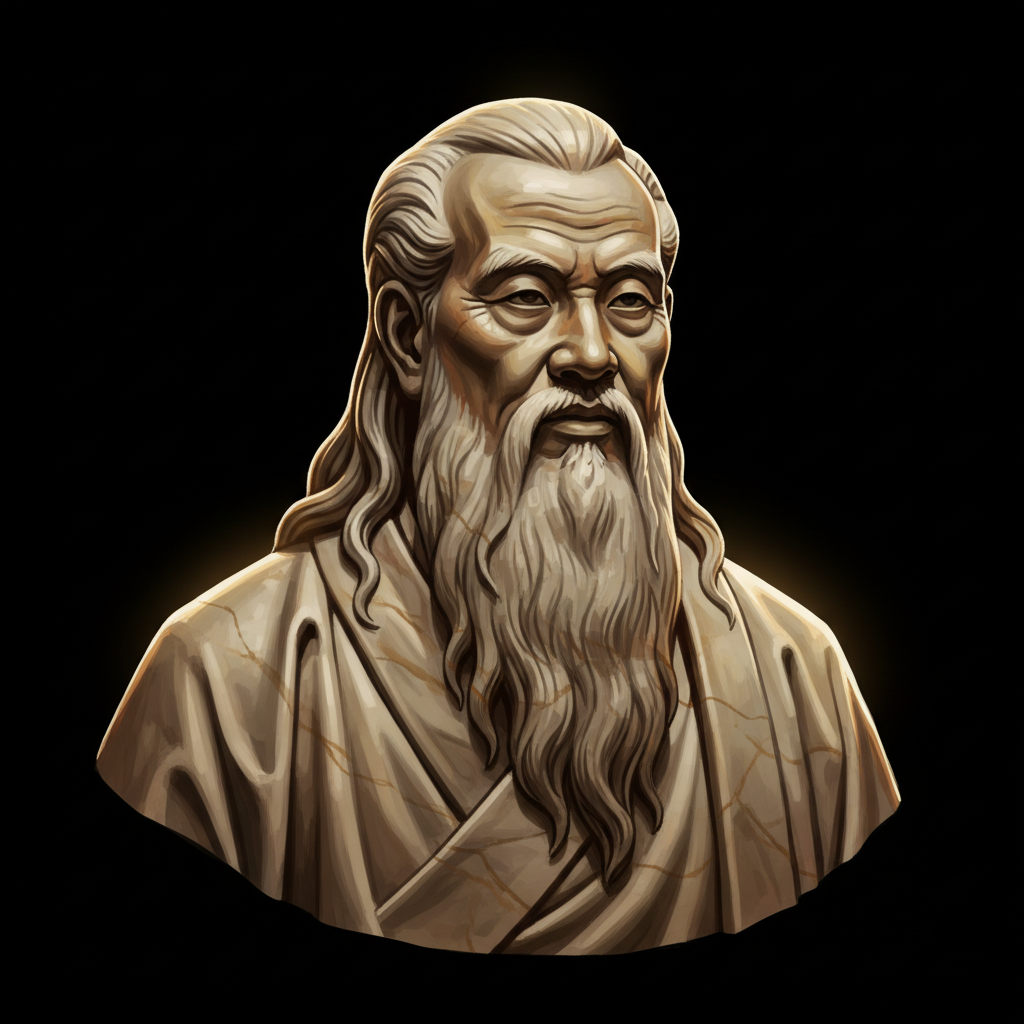
Laozi, traditionally the archivist who authored the Tao Te Ching before leaving society, built Taoism around wu wei, effortless action that works with nature rather than against it. He distrusted ambition, rigid law, and Confucian striving. This verse captures his signature paradoxes: weakness as strength, emptiness as capacity. As a reclusive sage who reportedly rejected court life, his preference for yielding over grasping mirrors the humble path he personally chose.
The era
Laozi lived during the turbulent Spring and Autumn or Warring States period, roughly the 6th to 4th century BCE, when Zhou authority collapsed and rival states waged constant war. Philosophers competed to solve the chaos: Confucians urged ritual and hierarchy, Legalists pushed harsh control. Laozi's call to yield, empty out, and abandon ambition was a radical counter to that arms race of striving, offering survival through flexibility rather than force in a brutally competitive age.
AI-generated insights based on extensive research and information for context. Factual errors? Email [email protected].