Mahavira — "Truth is the very nature of the soul."
Truth is the very nature of the soul.
Truth is the very nature of the soul.
Click any product to generate a realistic preview. Up to 3 at a time.
* Initial load can take up to 90 seconds — revising the preview in another color is nearly instant.
"The body is a temporary abode of the soul."
"A man who is averse from harming even the wind knows the sorrow of all things living."
"The greatest mistake of a man is to think that he is not a man."
"He who knows one’s own soul knows the souls of all beings."
"What is the use of a lamp when the sun has risen?"
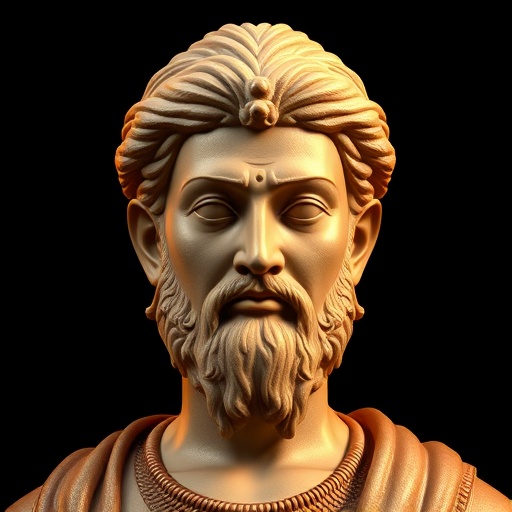
24th and last Tirthankara of Jainism, whose teachings of strict ahimsa (non-violence), aparigraha (non-attachment), and karma reshaped ancient Indian religion. Closely associated with The Buddha (near-contemporary moral revolutionary, also reacting against Vedic ritualism). For an intellectual contrast, see Vedic Brahmanical ritual sacrifice, the animal-sacrifice-centered Vedic religion of his era — Mahavira's ahimsa demanded total non-violence, including not eating root vegetables that kill the plant — a maximum-distance ethical move from the Vedic priestly tradition that ritually sacrificed cattle and horses. The two cleanest poles of ancient Indian religious ethics.
Found in 1 providers: grok
1 source checked
The soul is not made truthful by effort or discipline — it already is truth at its core. Dishonesty is therefore a distortion of your own fundamental nature, not merely a social wrong. To live truthfully is to live in alignment with what you actually are. This frames truth not as a rule to follow but as a return to authenticity, stripping away the layers of illusion and self-deception that obscure it.
Mahavira (599–527 BCE) renounced his royal life at 30 to pursue liberation through radical asceticism and vowed silence. Satya — truthfulness — is the second of Jainism's five Mahavratas he formalized. He spent 12 years in meditation seeking to strip away karma and illusion, believing the soul's natural purity is obscured by deception. This quote encapsulates his conviction that liberation requires no external authority, only honest alignment with the soul's inherent nature.
Mahavira lived in 6th-century BCE northeastern India, during the Axial Age when dominant Vedic Brahminism tied spiritual merit to ritual sacrifice and caste hierarchy. The Shramana movement — wandering ascetics including Mahavira and the Buddha — directly challenged this orthodoxy. Declaring truth the soul's very nature undercut priestly authority: no ritual or mediator was needed, only inner honesty. This was a radical democratization of liberation in a society where spiritual access was gatekept by birth and sacrifice.
AI-generated insights based on extensive research and information for context. Factual errors? Email [email protected].
Your cart is empty