What it means
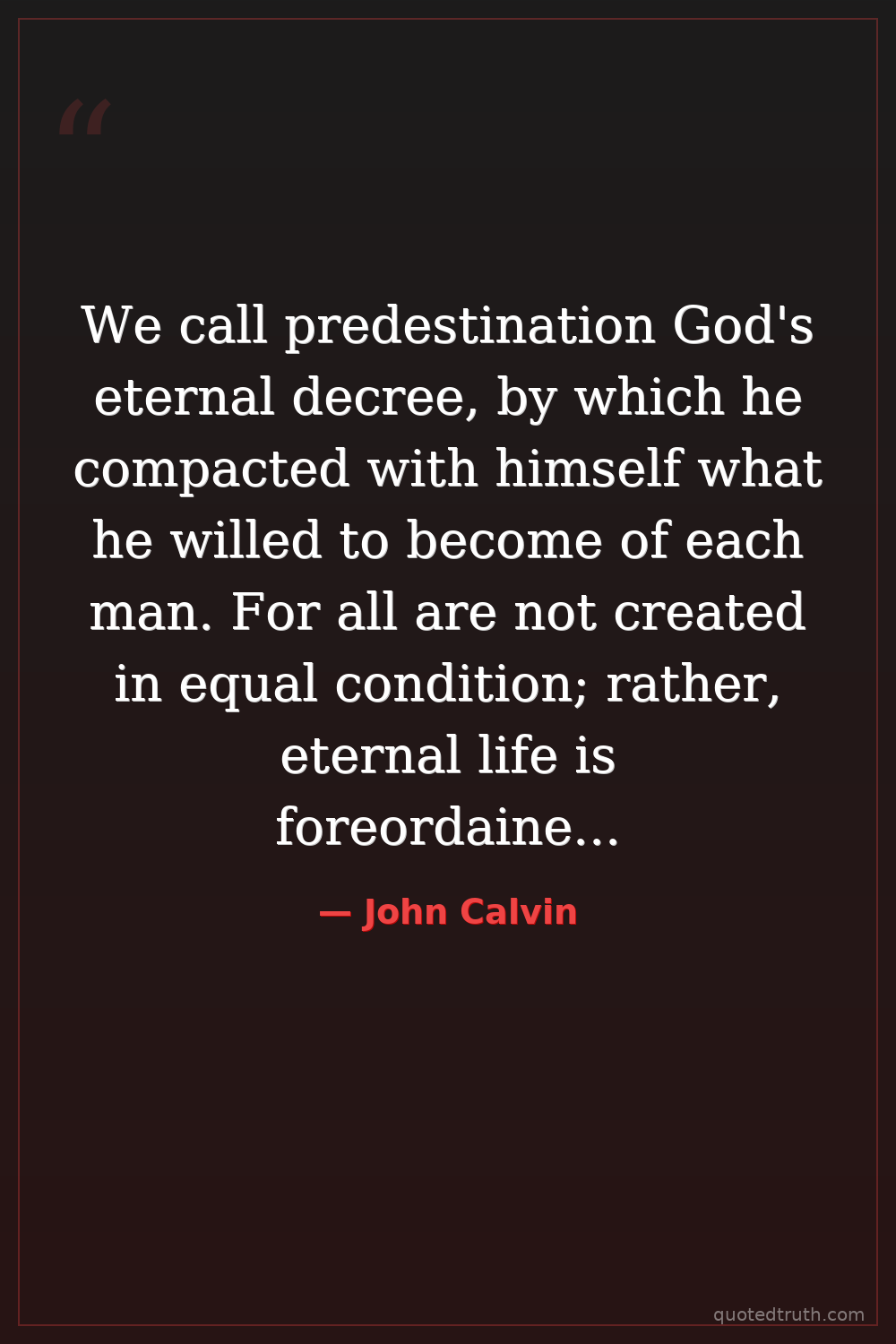
God decided before time began who would be saved and who would be condemned — not based on human merit or choices, but purely by divine decree. People are not spiritually equal at birth; some are preordained for eternal life, others for eternal damnation. This outcome is fixed before creation, determined entirely by God's sovereign will, with no human action capable of altering it.
Relevance to John Calvin
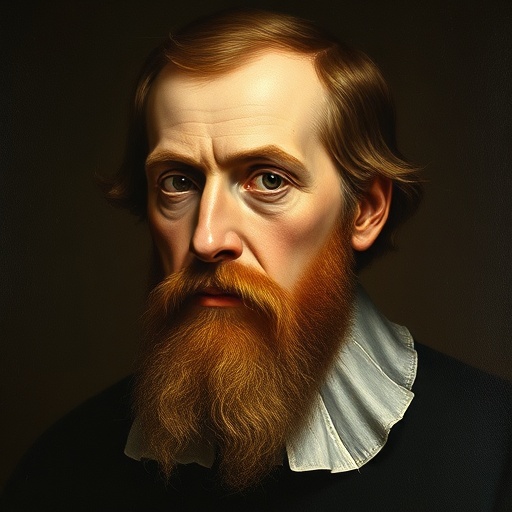
This is Calvin's defining theological doctrine — double predestination — central to his Institutes of the Christian Religion. As Geneva's dominant religious authority, Calvin built an entire civic order around God's absolute sovereignty. His rigid, uncompromising character matched the doctrine perfectly: he saw no room for human negotiation with divine will, and prosecuted heretics like Servetus accordingly. For Calvin, predestination wasn't peripheral theology but the logical cornerstone of a God-centered universe.
The era
Calvin wrote during the Reformation's most volatile decades, when the Catholic Church's authority was collapsing across Europe. Catholic doctrine held that humans cooperated in salvation through sacraments and meritorious works — giving priests enormous power. Calvin's predestination demolished this: no sacrament or deed could alter God's eternal decree. This terrified traditionalists and emboldened reformers, permanently fracturing Christendom and igniting religious wars, inquisitions, and the Counter-Reformation that reshaped European civilization.
AI-generated insights based on extensive research and information for context. Factual errors? Email [email protected].