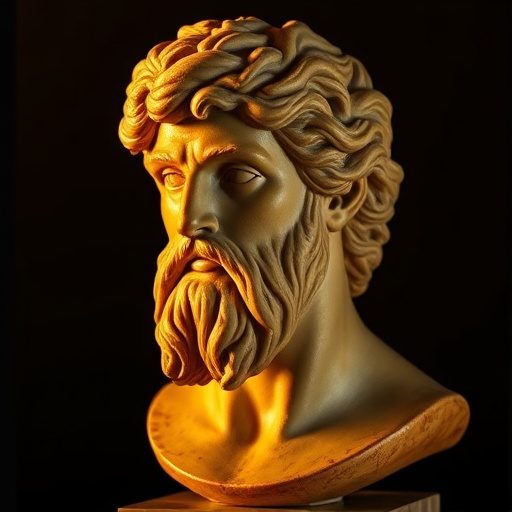
Portrait of Pythagoras

Pythagoras

Pythagorean theorem, mathematics

Ancient influential 148 sayings

Sayings by Pythagoras

Don't walk on the highway.

c. 570-495 BCE (interpreted later) — A Pythagorean 'Symbol', interpreted as 'decline from public ways, walk in unfrequented paths' to see…
Wisdom Confirmed

Don't offer your right hand too easily.

c. 570-495 BCE (interpreted later) — A Pythagorean 'Symbol', interpreted as being mindful before giving advice or not helping the unworth…
Wisdom Unverifiable

Don't offer your right hand too easily.

c. 570-495 BCE (interpreted later) — A Pythagorean 'Symbol', interpreted as being mindful before giving advice or not helping the unworth…
Wisdom Disputed

Don't share your roof with swallows.

c. 570-495 BCE (interpreted later) — A Pythagorean 'Symbol', interpreted as a caution against idle conversation, emphasizing silence for …
Wisdom Unverifiable

Don't share your roof with swallows.

c. 570-495 BCE (interpreted later) — A Pythagorean 'Symbol', interpreted as a caution against idle conversation, emphasizing silence for …
Wisdom Disputed

Don't keep clawed birds.

c. 570-495 BCE (interpreted later) — A Pythagorean 'Symbol', interpreted as a warning against helping thankless or unfaithful people.
Wisdom Unverifiable

Don't keep clawed birds.

c. 570-495 BCE (interpreted later) — A Pythagorean 'Symbol', interpreted as a warning against helping thankless or unfaithful people.
Wisdom Disputed

Don't piss or stand on your cut nails and hair.

c. 570-495 BCE (interpreted later) — A Pythagorean 'Symbol', interpreted as repudiating the 'dead products of the physical body' or havin…
Wisdom Unverifiable

Don't piss or stand on your cut nails and hair.

c. 570-495 BCE (interpreted later) — A Pythagorean 'Symbol', interpreted as repudiating the 'dead products of the physical body' or havin…
Wisdom Disputed

Turn sharp blades away from you.

c. 570-495 BCE (interpreted later) — A Pythagorean 'Symbol', possibly practical advice or symbolic of avoiding harm.
Wisdom Unverifiable

Turn sharp blades away from you.

c. 570-495 BCE (interpreted later) — A Pythagorean 'Symbol', possibly practical advice or symbolic of avoiding harm.
Wisdom Disputed

When abroad, don't turn back at the border.

c. 570-495 BCE (interpreted 3rd century CE) — A Pythagorean 'Symbol', interpreted as not clinging desperately to life when leaving it.
Wisdom Unverifiable

When abroad, don't turn back at the border.

c. 570-495 BCE (interpreted 3rd century CE) — A Pythagorean 'Symbol', interpreted as not clinging desperately to life when leaving it.
Wisdom Disputed

Eat not the brain.

c. 570-495 BCE — A dietary prohibition among Pythagoreans, possibly with a symbolic meaning.
Nature & World Unverifiable

Eat not the brain.

c. 570-495 BCE — A dietary prohibition among Pythagoreans, possibly with a symbolic meaning.
Nature & World Disputed

Abstain from animals.

c. 570-495 BCE — A core tenet of Pythagoreanism, linked to the belief in metempsychosis (transmigration of souls).
Nature & World Unverifiable

Abstain from animals.

c. 570-495 BCE — A core tenet of Pythagoreanism, linked to the belief in metempsychosis (transmigration of souls).
Nature & World Disputed

The souls of animals called unreasoning are reasonable, not however with active reasoning powers, because of an imperfect mixture of the bodies and because they do not have the power of speech, as in the case of apes and dogs; for these have intelligence but not the power of speech.

c. 570-495 BCE (attributed later) — A belief attributed to Pythagoras in doxographies, reflecting his views on animal souls.
Biblical Unverifiable

The souls of animals called unreasoning are reasonable, not however with active reasoning powers, because of an imperfect mixture of the bodies and because they do not have the power of speech, as in the case of apes and dogs; for these have intelligence but not the power of speech.

c. 570-495 BCE (attributed later) — A belief attributed to Pythagoras in doxographies, reflecting his views on animal souls.
Biblical Disputed

Time is the soul of this world.

c. 570-495 BCE (attributed 1st-2nd century CE) — Attributed by Plutarch.
Biblical Unverifiable
Your Cart

Your cart is empty