What it means
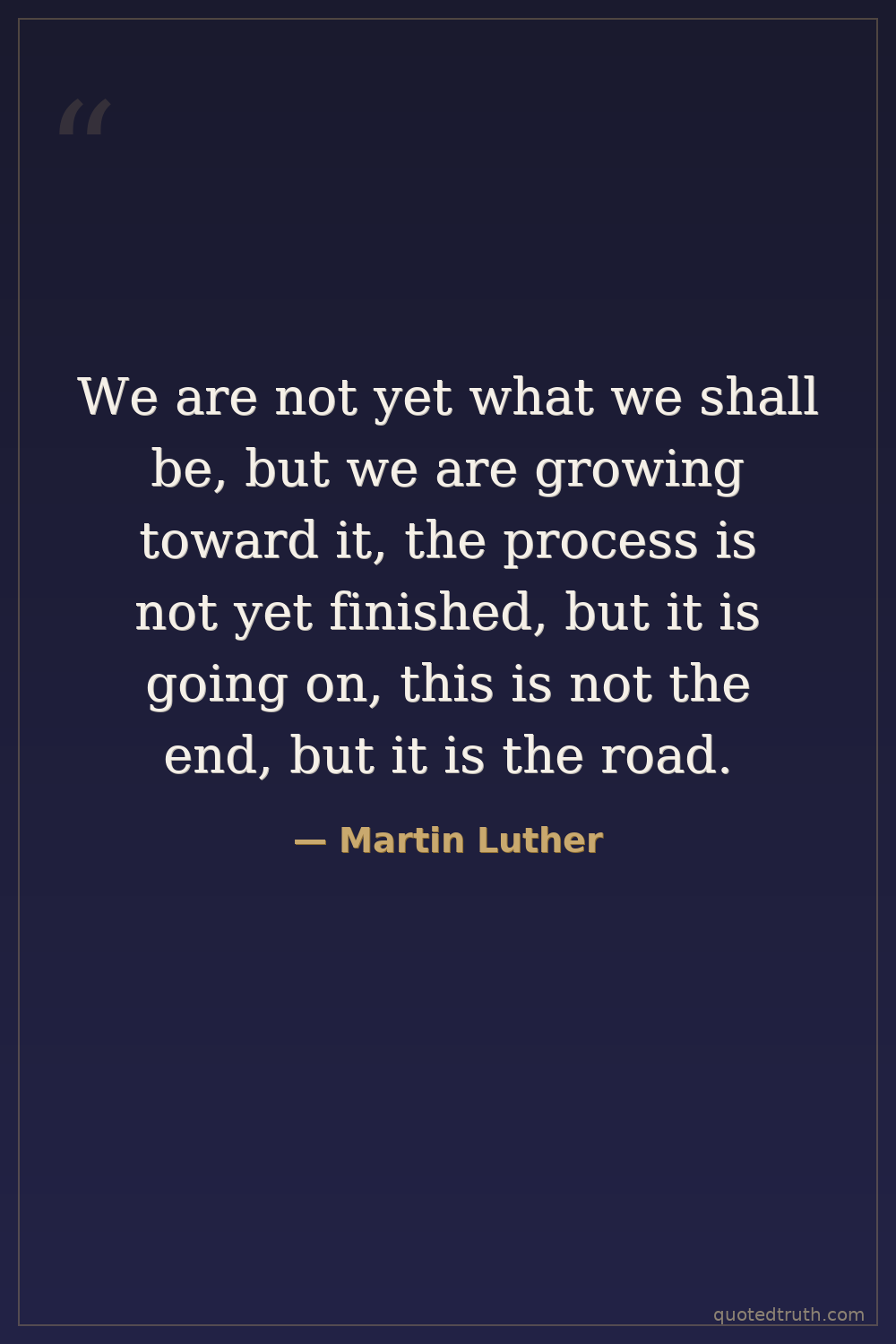
Growth and transformation are ongoing, not instant. You are a work in progress, headed somewhere better but not yet arrived. The unfinished state is not failure but evidence of movement. Being incomplete is the normal condition of anyone actually changing. Rather than judging yourself by where you currently stand, recognize you are on a path, and the path itself is the point, not the destination.
Relevance to Martin Luther
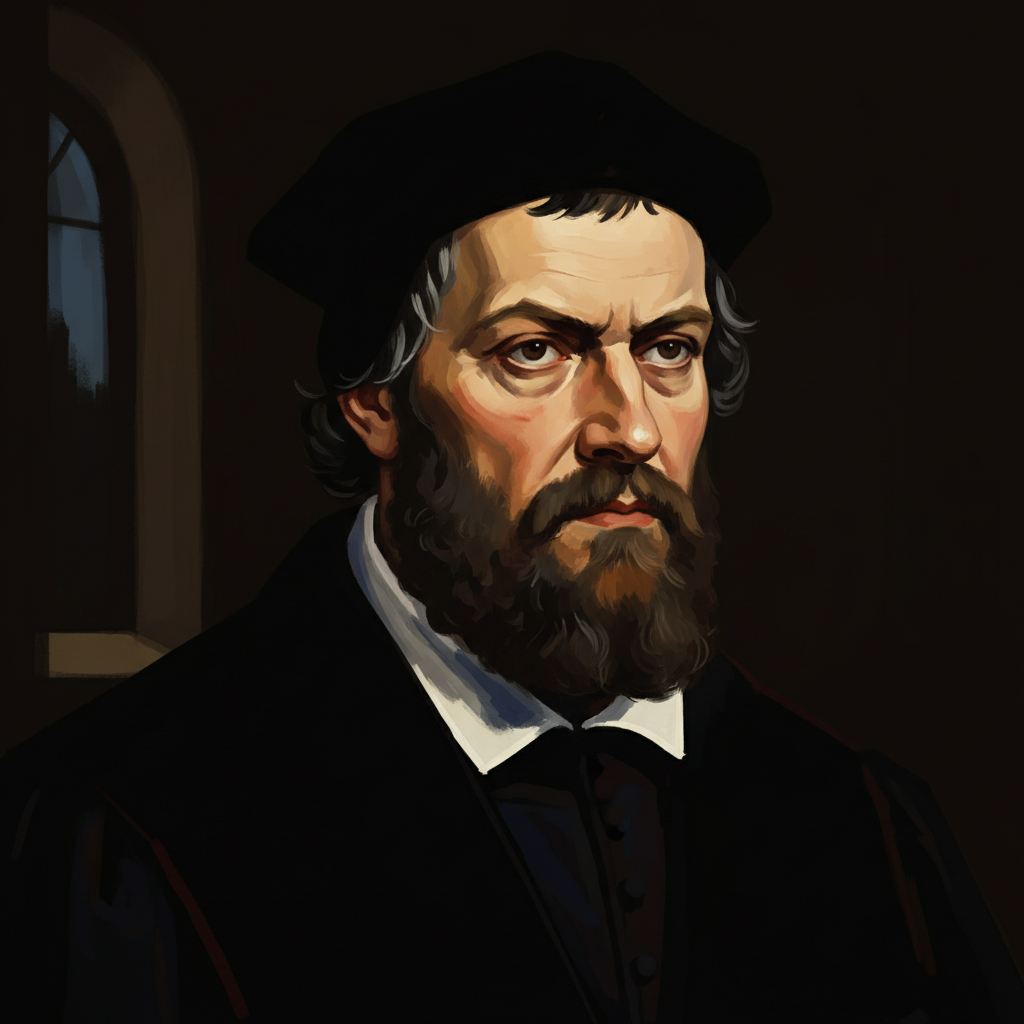
Luther built his theology around sanctification as gradual, not instant perfection. Having been an anxious Augustinian monk who flagellated himself seeking holiness, he rejected the idea Christians must be spotless now. His doctrine of simul justus et peccator, simultaneously righteous and sinful, matches this quote directly, framing believers as perpetually mid-journey rather than arrived.
The era
Writing in early sixteenth-century Germany, Luther confronted a medieval Catholic system selling indulgences that promised instant spiritual completion through payment. His 1517 Ninety-Five Theses sparked the Reformation precisely by rejecting this transactional perfection. The early modern era was itself unfinished, shifting from feudalism toward nation-states, print culture, and personal literacy, so framing identity as an ongoing road rather than a fixed status resonated powerfully.
AI-generated insights based on extensive research and information for context. Factual errors? Email [email protected].