What it means
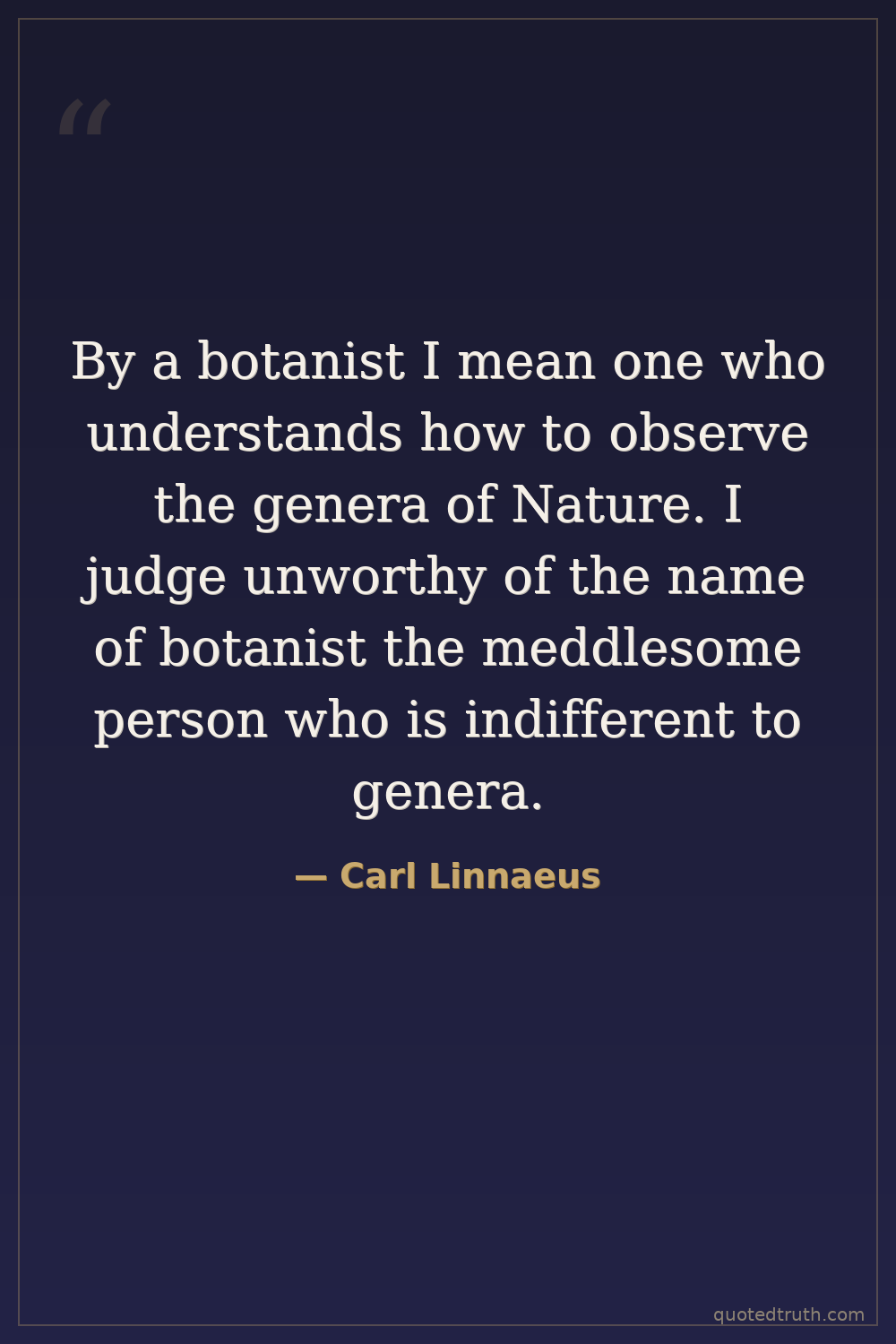
A true botanist is defined by the ability to recognize and classify the natural groups of plants — their genera. Someone who studies plants without caring about systematic classification is not a real botanist. Taxonomy is not optional or secondary; it is the very foundation of botanical knowledge. Observation alone means nothing without the intellectual framework of understanding how living things are organized and related.
Relevance to Carl Linnaeus
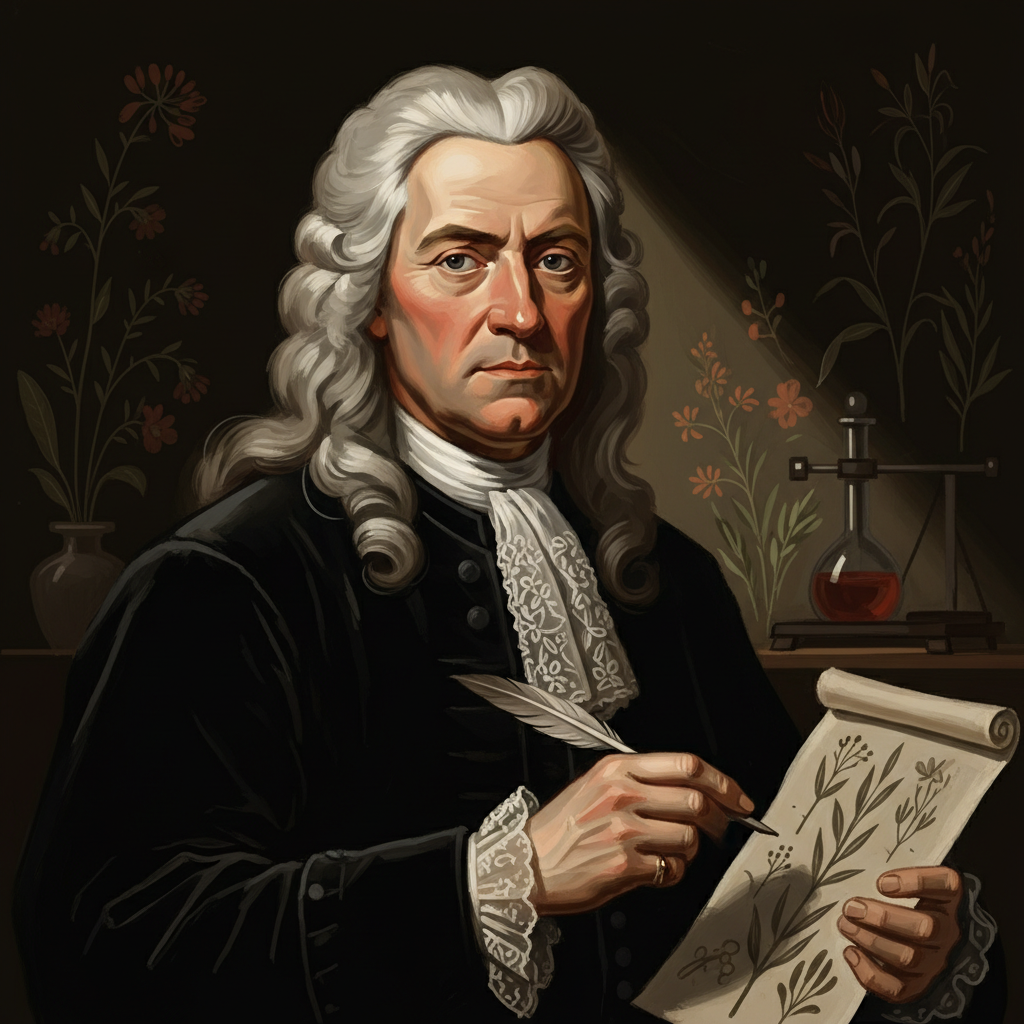
Linnaeus spent his life creating the binomial nomenclature system and classifying thousands of species, revolutionizing how scientists organized nature. He personally named over 7,700 plants and considered genus-level classification the cornerstone of scientific botany. His Systema Naturae and Species Plantarum were monuments to this conviction. This quote directly reflects his identity as the father of taxonomy — classification was his life's defining mission.
The era
In 18th-century Europe, natural history was exploding as explorers returned with thousands of unknown specimens from Asia, the Americas, and Africa. Without standardized classification, scientists spoke different languages — a plant had dozens of names across countries. Linnaeus wrote during the Enlightenment's push to impose rational order on nature. His system gave Europe's competing botanists a shared framework, transforming chaotic description into unified science.
AI-generated insights based on extensive research and information for context. Factual errors? Email [email protected].