What it means
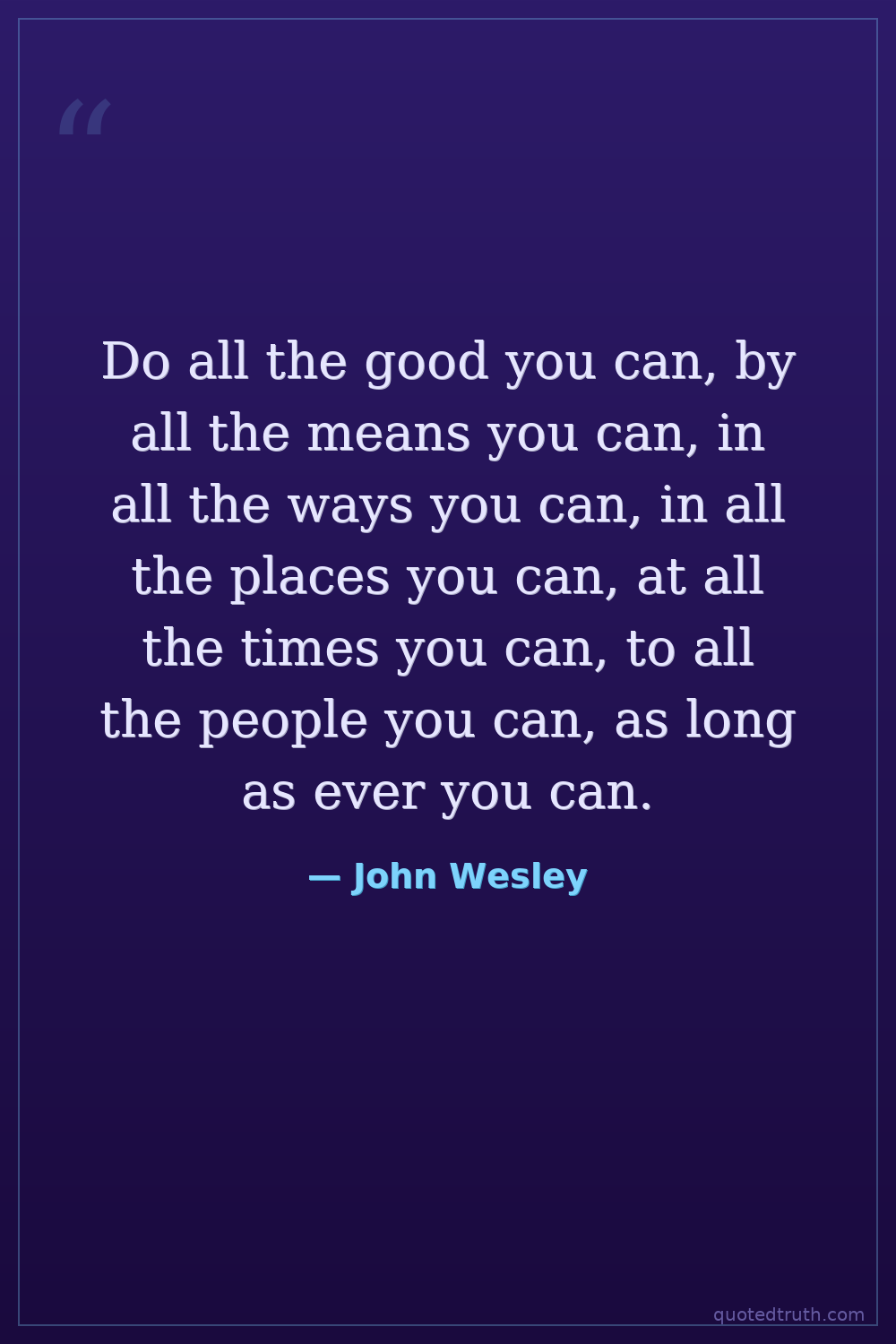
Do good as comprehensively and relentlessly as possible — through every method available, in every place, at every opportunity, toward every person, for your entire life. The repeated 'all' leaves no room for excuses about timing, location, or who deserves help. It reframes kindness not as occasional charity but as a permanent, unconditional life posture with no exceptions and no endpoint.
Relevance to John Wesley
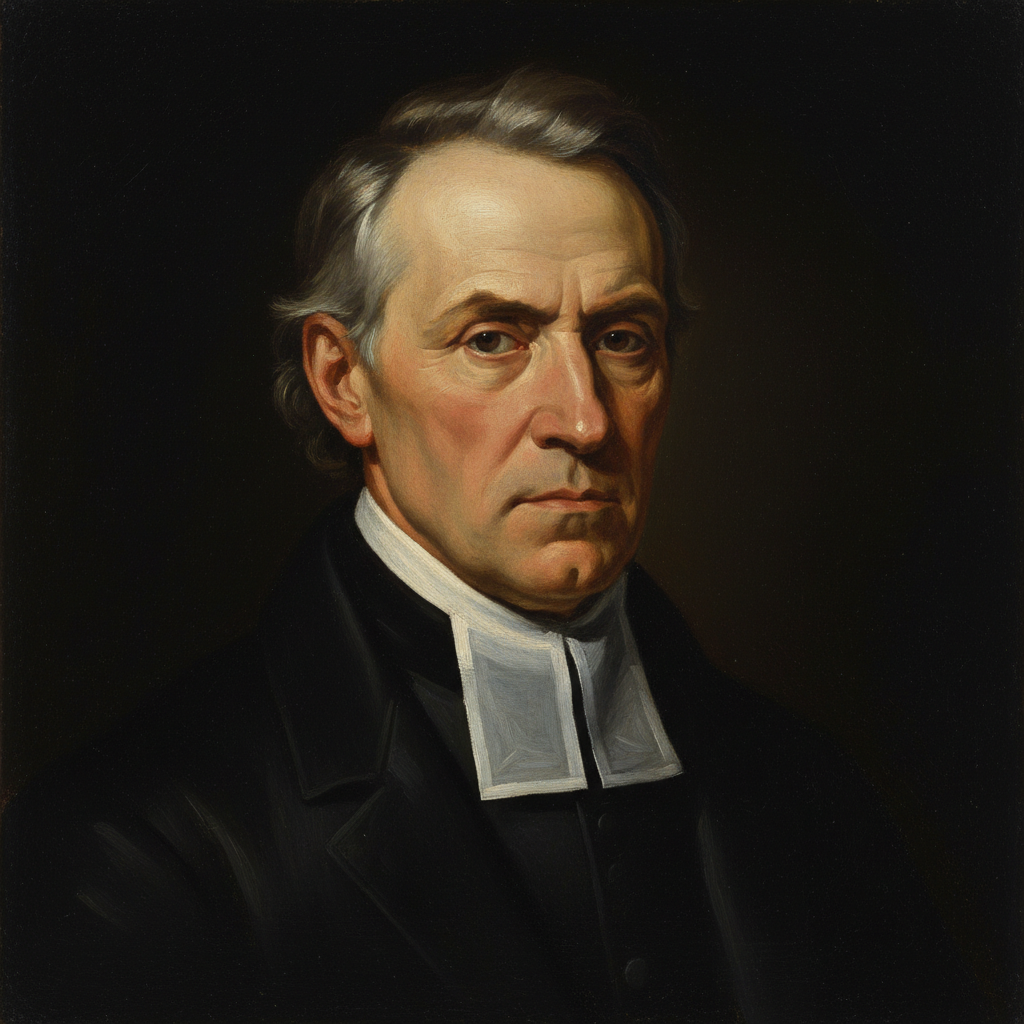
Wesley preached over 40,000 sermons, often outdoors to coal miners and factory workers ignored by the established Church. He founded free clinics, schools, and loan schemes for the poor, and gave away most of his income. His doctrine of sanctification held that believers must actively grow in holiness through service. For Wesley, doing good was not optional virtue but the central obligation of a Christian life.
The era
Wesley lived through Britain's early industrialization — mass urban poverty, child labor, and a Church of England largely indifferent to working-class suffering. No welfare state existed; organized poor relief was minimal and often punitive. The Enlightenment was reshaping moral philosophy, but idealism rarely reached the streets. Wesley's Methodist societies filled this void through mutual aid, education, and poor relief, making his call to ceaseless active goodness a radical challenge to clerical complacency.
AI-generated insights based on extensive research and information for context. Factual errors? Email [email protected].