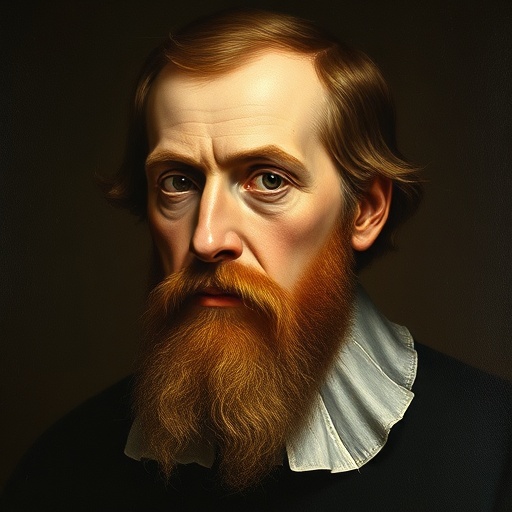
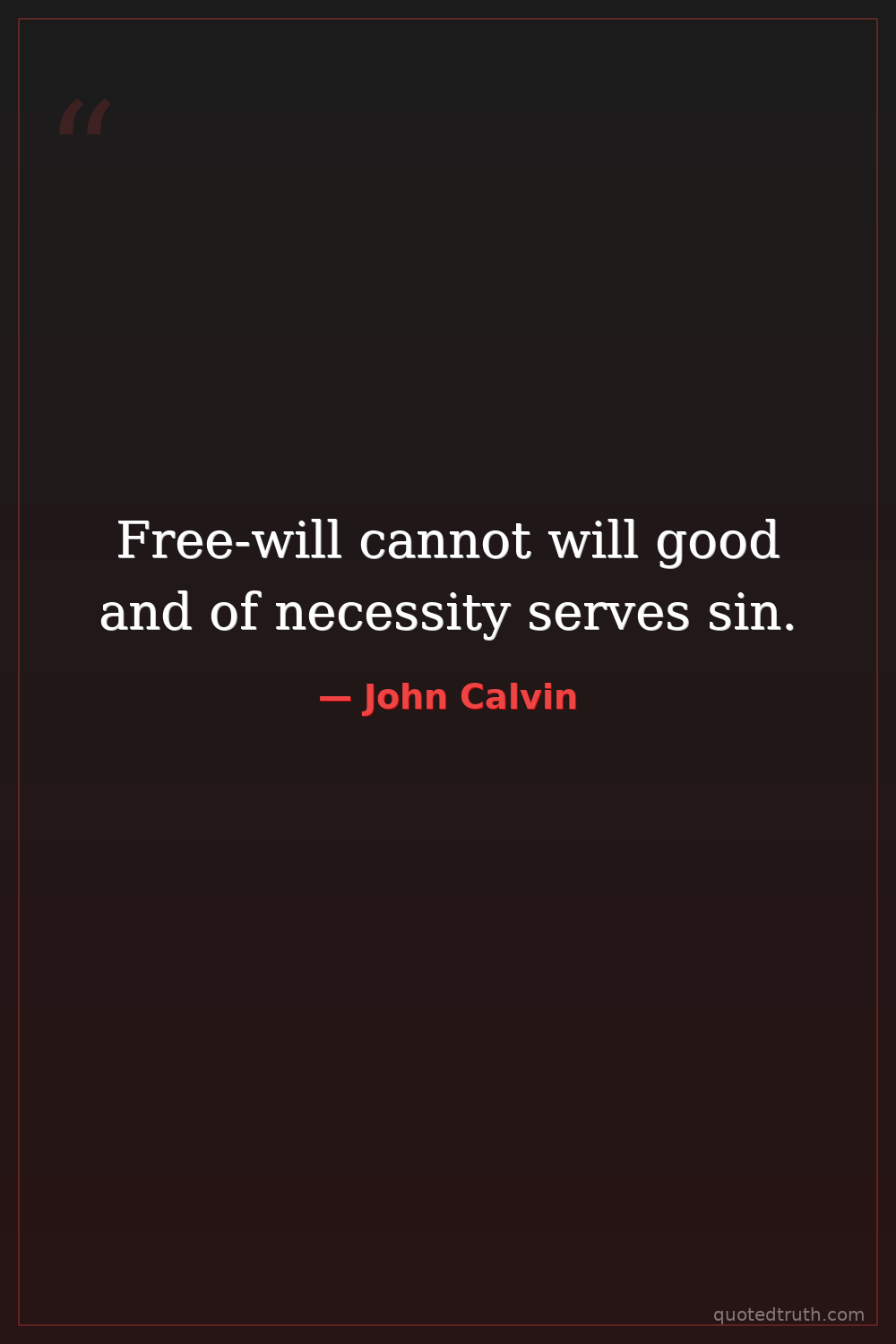
John Calvin — "Free-will cannot will good and of necessity serves sin."
Free-will cannot will good and of necessity serves sin.
Free-will cannot will good and of necessity serves sin.
Click any product to generate a realistic preview. Up to 3 at a time.
* Initial load can take up to 90 seconds — revising the preview in another color is nearly instant.
"For the will is so overwhelmed by wickedness and so pervaded by vice and corruption that it cannot in any way escape to honorable exertion or devote itself to righteousness."
"The grace of God is the only foundation of our salvation."
"The true wisdom of man consists in the knowledge of God and of himself."
"The elect alone are endued with the knowledge of God, and the illumination of the Holy Spirit."
"There is no other way to be saved than by the grace of God."
French theologian whose Institutes of the Christian Religion (1536) systematized Protestant Reformed doctrine, including predestination. Closely associated with Martin Luther (Reformation founder, Calvin's predecessor). For an intellectual contrast, see Jacobus Arminius, Dutch Reformed theologian (1560-1609) — Arminius's rejection of strict double-predestination founded Arminianism — the theological tradition modern Methodism, most evangelicalism, and Pentecostalism descend from. The Calvinist-Arminian debate has divided Protestantism for 400 years.
Writings on free will, in opposition to those who claim human autonomy
Date: c. 1530s-1550s
GeneralFound in 1 providers: gemini
1 source checked
Human free will, corrupted by Adam's Fall, is fundamentally unable to choose or desire genuine moral good on its own. Rather than being neutral or merely weakened, the will is in bondage — it necessarily gravitates toward sin. Without divine grace intervening, every human choice reflects this corruption. Salvation cannot come from human decision or effort; only God's grace can redirect a will otherwise enslaved to sinful desire.
Calvin built his entire theological system around divine sovereignty and human depravity. In his Institutes of the Christian Religion, he argued that Adam's fall utterly corrupted human nature, making unaided moral choice toward God impossible. Deeply influenced by Augustine, Calvin used this doctrine to anchor predestination: if humans cannot will good, salvation must be entirely God's sovereign choice. This became the T in Calvinism's TULIP — Total Depravity.
The 16th-century Reformation sparked fierce debate over human free will and salvation. Luther's 1525 Bondage of the Will against Erasmus had fractured humanist optimism about moral capacity. The Catholic Council of Trent reaffirmed free will's cooperation with grace, directly opposing Protestant positions. Calvin's Geneva was reshaping Christian Europe while theologians battled over whether fallen humans could contribute anything to their own salvation — a genuinely revolutionary, society-shaking question.
AI-generated insights based on extensive research and information for context. Factual errors? Email [email protected].
Your cart is empty