What it means
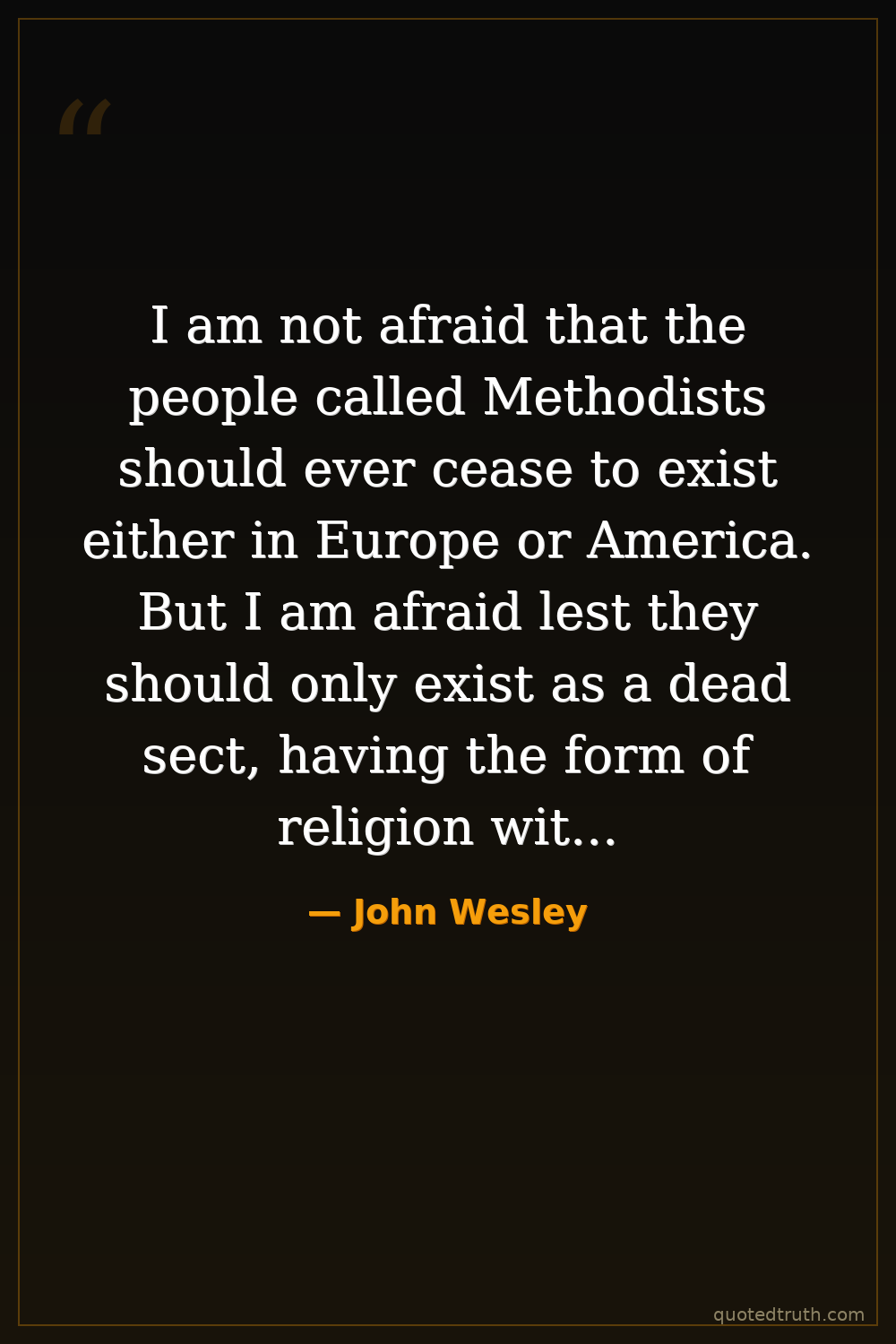
Wesley distinguishes between institutional survival and genuine spiritual vitality. He's not worried Methodism will die out as an organization — he fears it will persist as an empty shell, going through religious motions without real transformation. The 'form' is ritual, doctrine, and structure; the 'power' is lived faith, personal conversion, and active charity. A movement can outlive its soul. This warns against religion becoming mere habit or social convention rather than a force that actually changes lives.
Relevance to John Wesley
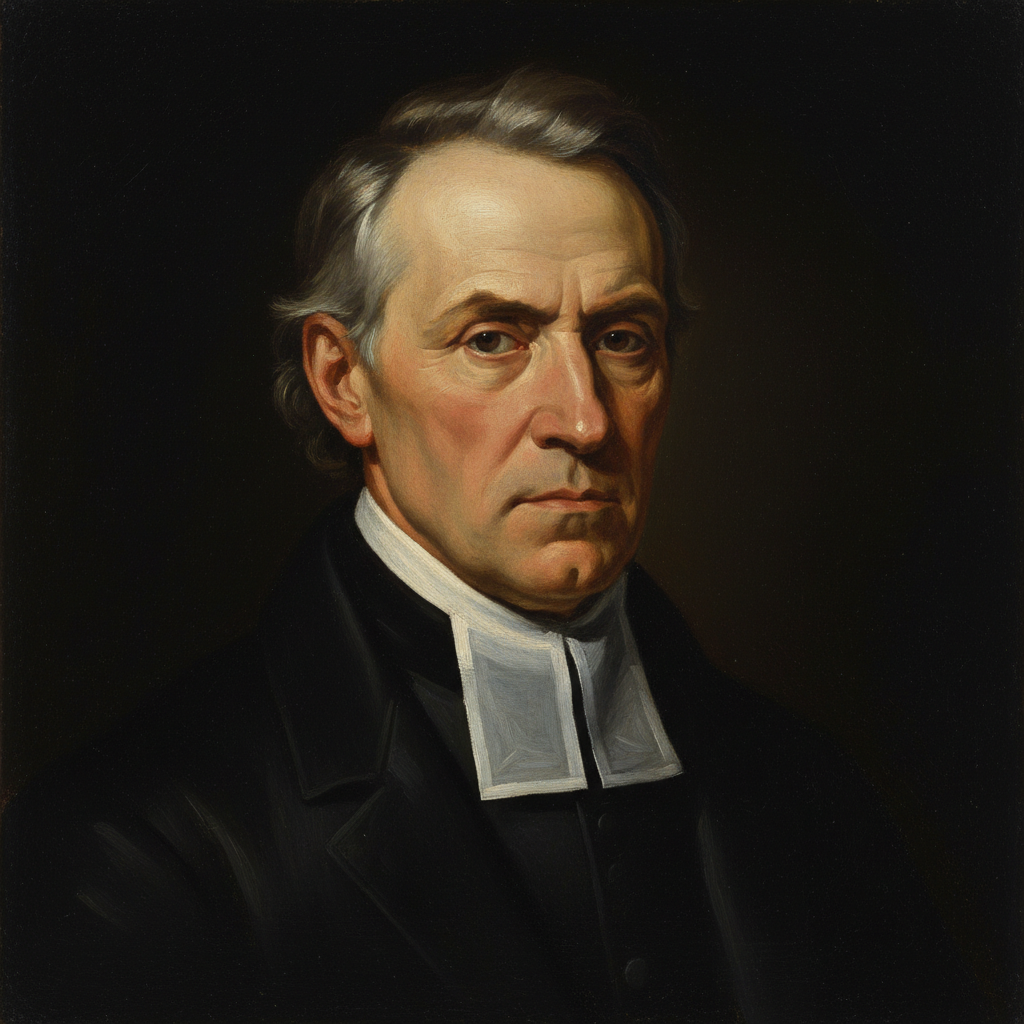
Wesley founded Methodism to counter spiritual deadness within the Church of England. He preached over 40,000 sermons, rode 250,000 miles by horseback, and organized small 'class meetings' to hold believers accountable for genuine growth — not just attendance. His Holy Club at Oxford already emphasized disciplined living over ritual. This fear of hollow religion was never abstract; he watched institutions calcify over his 88-year life and fought complacency until the very end.
The era
Wesley preached through the 18th century, when the Church of England had grown comfortable and institutional, largely ignoring England's industrializing poor. Enlightenment rationalism was reducing religion to intellectual exercise while working-class communities were spiritually abandoned. Wesley had already seen how revival movements — including German Pietism and his own early Methodist societies — quickly traded fervent transformation for respectability and routine. The quote reflects hard-won awareness that no movement is immune to trading its fire for form.
AI-generated insights based on extensive research and information for context. Factual errors? Email [email protected].