What it means
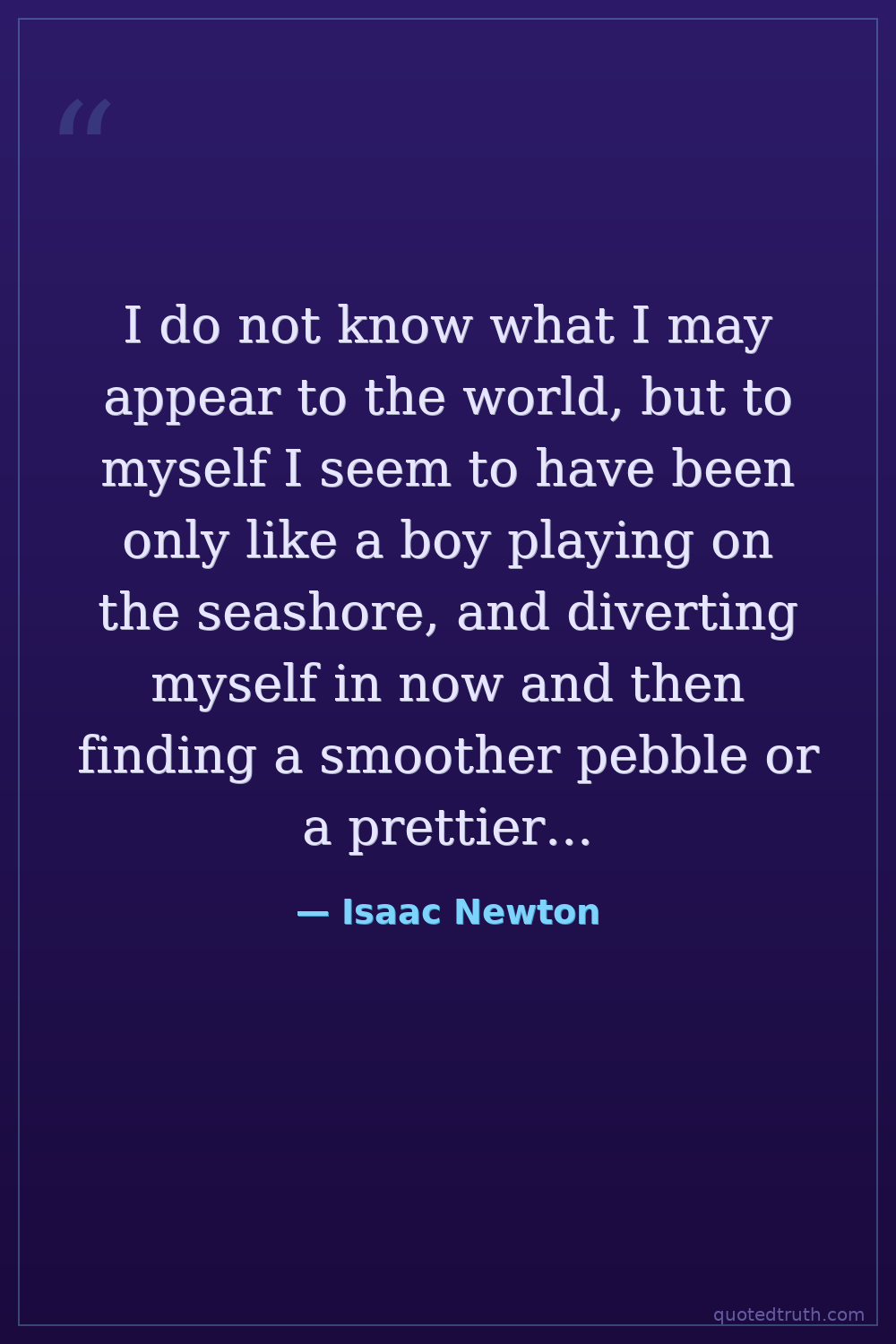
Despite inventing calculus, discovering gravity's laws, and splitting light into its spectrum, Newton felt he'd barely scratched reality's surface. The beach metaphor captures intellectual humility at its deepest: his greatest discoveries were just prettier pebbles, small curiosities plucked from the sand, while the actual ocean of truth — everything science still hasn't explained — stretched endlessly beyond his reach and the reach of every generation after him.
Relevance to Isaac Newton
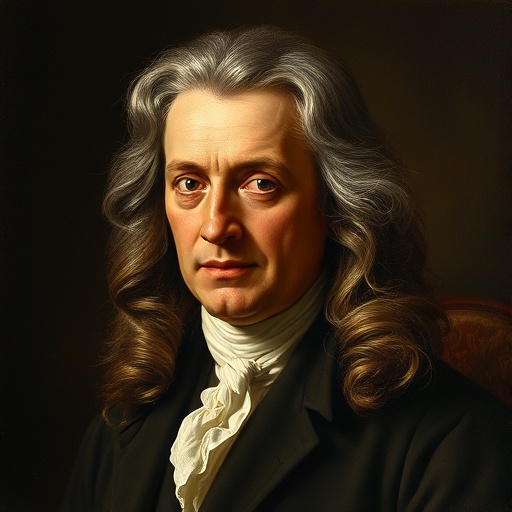
Newton invented calculus, formulated the laws of motion and universal gravitation, and conducted foundational optics experiments that redefined physics for centuries. Yet he spent decades in private inquiry, driven more by obsession than fame, and kept massive notebooks on alchemy and theology. Reportedly spoken near death, this reflects a man who, despite transforming human understanding more than almost anyone, felt the unknown vastly outweighed everything he had uncovered.
The era
Newton lived through the Scientific Revolution (1642–1727), when Copernicus and Galileo had overturned medieval cosmology but most of nature — electricity, chemistry, biology — remained unexplained. The Royal Society formed during his lifetime, and natural philosophy was just becoming a recognized discipline. Most educated Europeans still explained phenomena through Scripture. Newton knew his era had cracked open a door onto the universe; this quote acknowledges the door led to an infinite room.
AI-generated insights based on extensive research and information for context. Factual errors? Email [email protected].